


Fibromyalgia meal plan, steady meals, low effort.
No diet has been shown to manage fibromyalgia itself, but regular meals and a Mediterranean-style pattern support energy and overall health.
The rules
Three habits that help on tired days
Eat at steady times
Three meals and a snack, at the same hours, to hold energy level.
Cook once, eat twice
Double the soup, beans or grains so a flare day needs no cooking.
Fish at least twice a week
Salmon, sardines or trout, with olive oil in place of butter.
Sample week
Seven days of easy, steady meals
About 1,800 to 2,100 calories a day. Scale portions to your needs. Find your number
Built from NIAMS and AHA guidance.
No diet is proven to manage fibromyalgia. Keep taking prescribed medicines, and talk with your clinician before cutting out whole food groups, since heavy restriction can leave you short on nutrients.
Day 1Monday
 BreakfastOatmeal with berries and chia½ cup dry oats cooked in 1 cup milk, 1 cup blueberries, 1 tbsp chia seeds, 1 tbsp almond butter
 LunchLentil soup with whole-grain bread1½ cups lentil and vegetable soup, 1 slice whole-grain bread, 1 oz Parmesan, 1 tsp olive oil
 SnackApple with walnuts1 apple, ½ oz walnuts
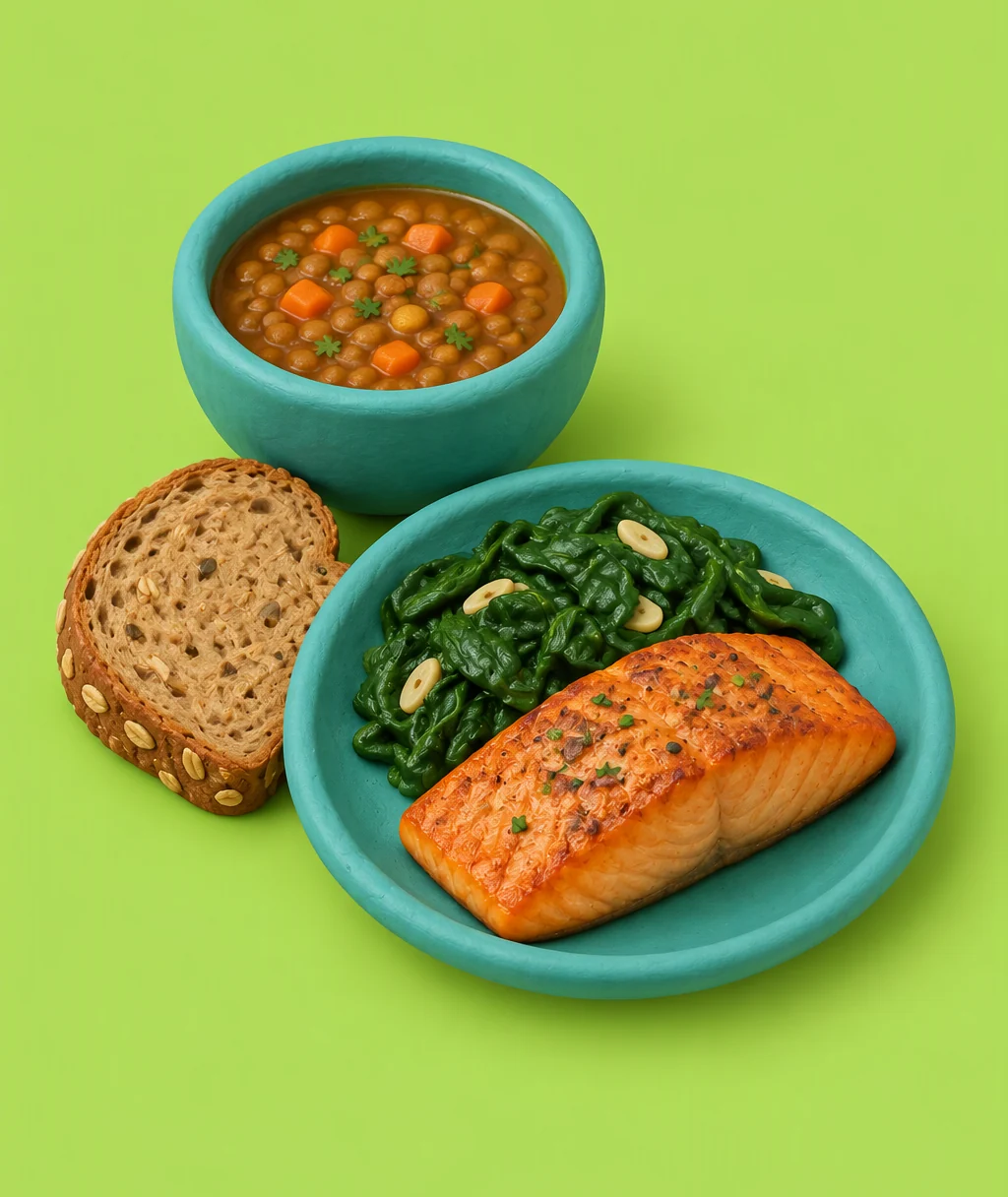
 DinnerBaked salmon with quinoa and greens5 oz salmon, ¾ cup cooked quinoa, 2 cups spinach sauteed in 2 tbsp olive oil
About 1,900 kcal86 g protein33 g fiber
Day 2Tuesday
- BreakfastGreek yogurt with granola and berries1 cup plain Greek yogurt, ⅓ cup granola, 1 cup strawberries, 1 tbsp pumpkin seeds
- LunchChickpea and spinach stew1 cup chickpea stew with spinach and sweet potato, ½ cup cooked white rice, 1 oz feta, 1 tsp olive oil
- SnackCarrots with hummus1 cup carrot sticks, ⅓ cup hummus
- DinnerRoast chicken with sweet potato5 oz chicken thigh, 1 large sweet potato, 1½ cups broccoli roasted in 2½ tbsp olive oil
About 1,860 kcal96 g protein34 g fiber
Day 3Wednesday
- BreakfastScrambled eggs with avocado toast2 eggs, 2 slices whole-grain toast, ½ avocado, 1 tomato
- LunchWhite bean and tuna salad1 can (5 oz) tuna, ½ cup cooked white beans, arugula, 1 tbsp olive oil, 1 slice whole-grain bread, 1 oz feta
- SnackPear with almonds1 pear, 1 oz almonds
- DinnerTurkey chili with brown rice1½ cups turkey and bean chili, ½ cup cooked white rice, 1 oz cheddar, 1 tbsp olive oil
About 1,950 kcal114 g protein40 g fiber
Day 4Thursday
- BreakfastPeanut butter banana toast2 slices whole-grain toast, 1 tbsp peanut butter, 1 banana, 1 cup milk
- LunchQuinoa and roasted vegetable bowl1 cup cooked quinoa, 1½ cups roasted peppers and zucchini in 1 tbsp olive oil, ⅓ cup chickpeas, 1 oz feta
- SnackCottage cheese with pineapple¾ cup cottage cheese, ½ cup pineapple
- DinnerSardines on toast with avocado salad1 can sardines in olive oil, 2 slices whole-grain toast, side salad with ½ avocado and 1 tbsp olive oil
About 1,840 kcal95 g protein33 g fiber
Day 5Friday
- BreakfastOvernight oats with berries½ cup dry oats soaked in ¾ cup milk, ½ cup raspberries, 2 tbsp walnuts, 1 tbsp chia seeds
- LunchChicken and avocado salad4 oz grilled chicken, 2 cups mixed greens, ½ avocado, ¼ cup chickpeas, 1 tbsp olive oil
- SnackToast with almond butter1 slice whole-grain bread, 1 tbsp almond butter, 1 cup grapes
- DinnerShrimp and white bean pasta4 oz shrimp, 1 cup cooked pasta, ½ cup white beans, 2 tbsp Parmesan, 1 cup spinach, 1 tbsp olive oil
About 1,840 kcal109 g protein38 g fiber
Day 6Saturday
- BreakfastVeggie omelet with toast2 eggs, peppers, spinach and 1 oz feta in 1 tsp olive oil, 1 slice whole-grain toast, 1 orange
- LunchLentil and feta salad¾ cup cooked lentils, cucumber, tomato, 1 oz feta, 1 tbsp olive oil, 1 slice whole-grain bread
- SnackGreek yogurt with honey¾ cup 2% plain Greek yogurt, 1 tsp honey, 2 tbsp sunflower seeds
- DinnerBaked cod with potatoes and peas5 oz cod, 1½ cups potatoes roasted in 2 tbsp olive oil, 1 cup peas
About 1,860 kcal113 g protein35 g fiber
Day 7Sunday
- BreakfastRicotta toast with berries2 slices whole-grain toast, ½ cup part-skim ricotta, 1 cup blueberries, 1 tsp honey
- LunchHearty minestrone with beans1½ cups minestrone with beans and pasta, 1 slice whole-grain bread, 1 oz Parmesan, 1 tsp olive oil
- SnackBanana with peanut butter1 banana, 1½ tbsp peanut butter
- DinnerRoast salmon with barley and greens5 oz salmon, 1 cup cooked barley, 2 cups kale roasted in 2 tbsp olive oil
About 1,850 kcal87 g protein33 g fiber
Shopping list
What to buy
Most days
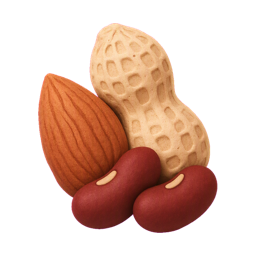
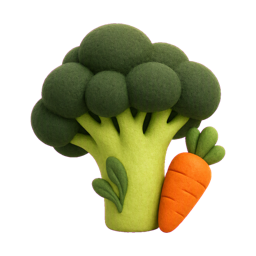
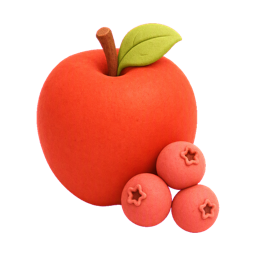
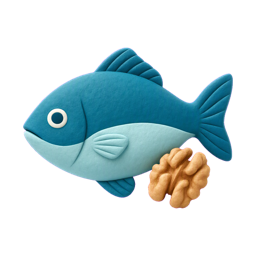


Now and then




Nothing here is banned. If a food seems to set off pain or fatigue, test it once, then ask your clinician before cutting the whole group.
Make it yours
This week is a sample. Alma builds yours.
- Meals fit to your goal and the foods you like
- Log a meal by photo, voice or text in about 10 seconds
- Every meal gets an Alma Score from 0 to 100

Questions
What people ask
Is there a fibromyalgia diet that works?
No diet has been shown to manage fibromyalgia itself. NIAMS describes care as a mix of exercise or other movement therapies, psychological and behavioral therapy, and medicine. A Mediterranean-style pattern is a reasonable default because the American Heart Association ties it to heart health, not because it targets pain.
Does an anti-inflammatory diet help fibromyalgia?
Evidence that an anti-inflammatory diet reduces fibromyalgia pain is limited. Vegetables, fruit, beans, whole grains, olive oil and fish at least twice a week are still worth keeping for heart health and steady energy, which matter when fatigue is a main symptom.
Should I cut out gluten or dairy?
Only with a reason, and ideally with a clinician involved. Celiac disease and lactose intolerance are real and testable, but blanket removal adds restriction, cost and often less protein and calcium. If you want to test a food, remove it for two to three weeks, note symptoms, then add it back and compare.
How many calories is this meal plan?
About 1,800 to 2,100 calories a day, with 86 to 114 grams of protein and 33 to 40 grams of fiber. Your needs depend on your size, age and activity, and on whether you are mostly at home or working. Scale portions up or down, and keep the fiber high unless your clinician says otherwise.
What about vitamin D?
Ask your clinician whether to check your vitamin D level. The NIH Office of Dietary Supplements lists people who seldom expose their skin to sunshine, older adults and people with dark skin among those more likely to run low. Fatty fish and fortified milk are food sources, but a supplement decision belongs with your clinician.
What do I eat on a flare day?
Whatever takes the least standing: a can of lentil soup with bread, Greek yogurt with granola and berries, cottage cheese with fruit, or frozen salmon with microwave rice and frozen vegetables. Keep two of those in the house at all times. Eating something plain beats waiting for the energy to cook properly.
How does Alma help with a fibromyalgia eating pattern?
Log a meal by photo, voice or text in about 10 seconds, which is about all a bad day allows. Every meal gets an Alma Score from 0 to 100, drawing on Harvard's Alternate Healthy Eating Index, and Alma builds a plan around your goal and the foods you like, so the pattern survives a week that goes sideways.
Sources
Written by Alma from the sources below and reviewed November 16, 2026. Calories and protein are estimates. This is general information, not medical advice. If you manage a health condition or take medication, check changes with your clinician. Editorial standards
- NIAMS: Fibromyalgia
- Mayo Clinic: Fibromyalgia symptoms and causes
- NIH Office of Dietary Supplements: Vitamin D fact sheet for consumers
- American Heart Association: Fish and omega-3 fatty acids
- American Heart Association: Diet and lifestyle recommendations
- Dietary Guidelines for Americans
- USDA FoodData Central, for calorie and protein estimates
Get a week built around you.
Tell Alma your goal and the foods you like. It plans the meals and scores each one.