


Diverticulosis diet, fiber made doable.
Diverticulosis calls for steady fiber, built up slowly.
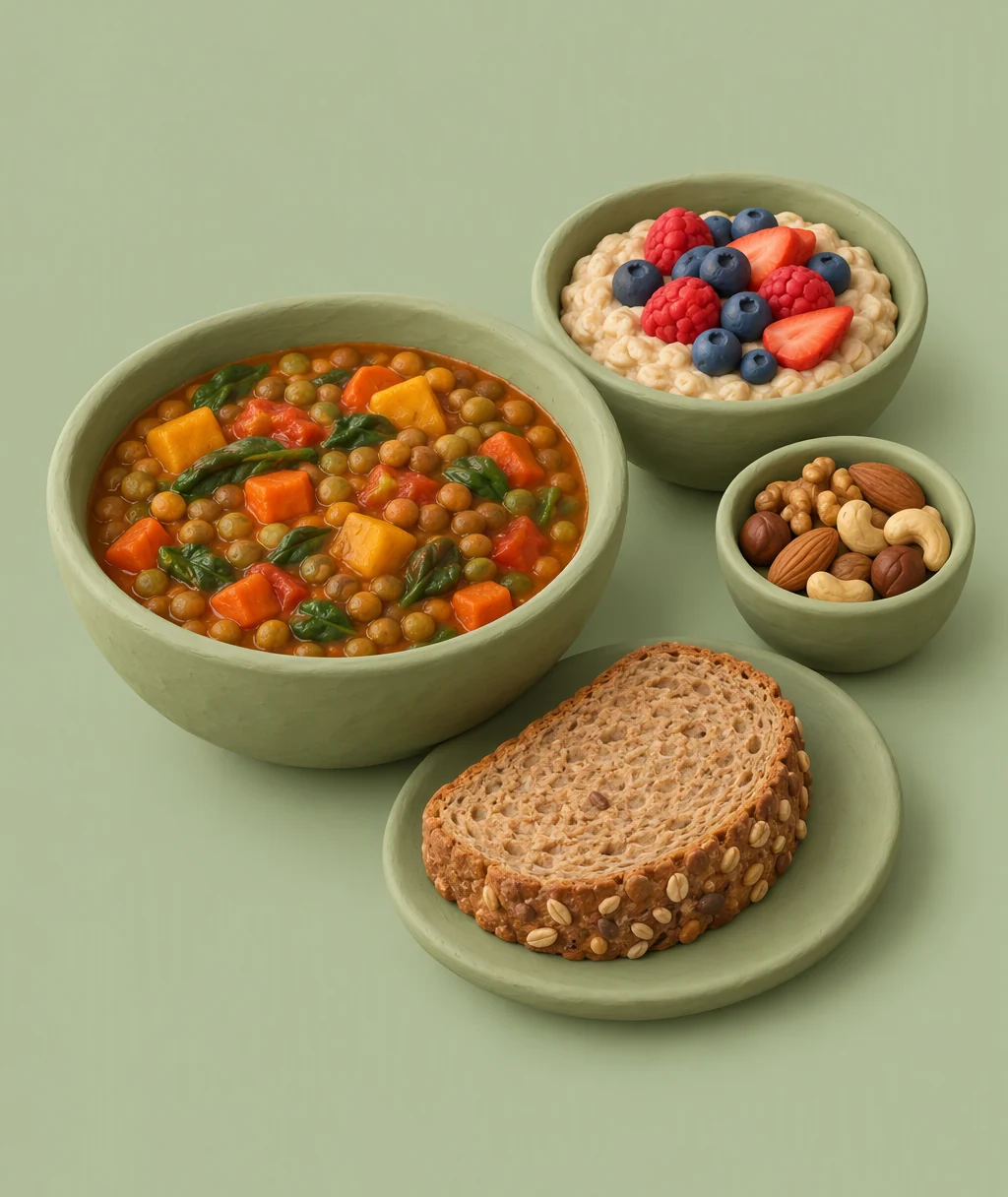
The rules
Three habits for a quieter colon
Fiber, built up slowly
Add a little each week, with a glass of water alongside.
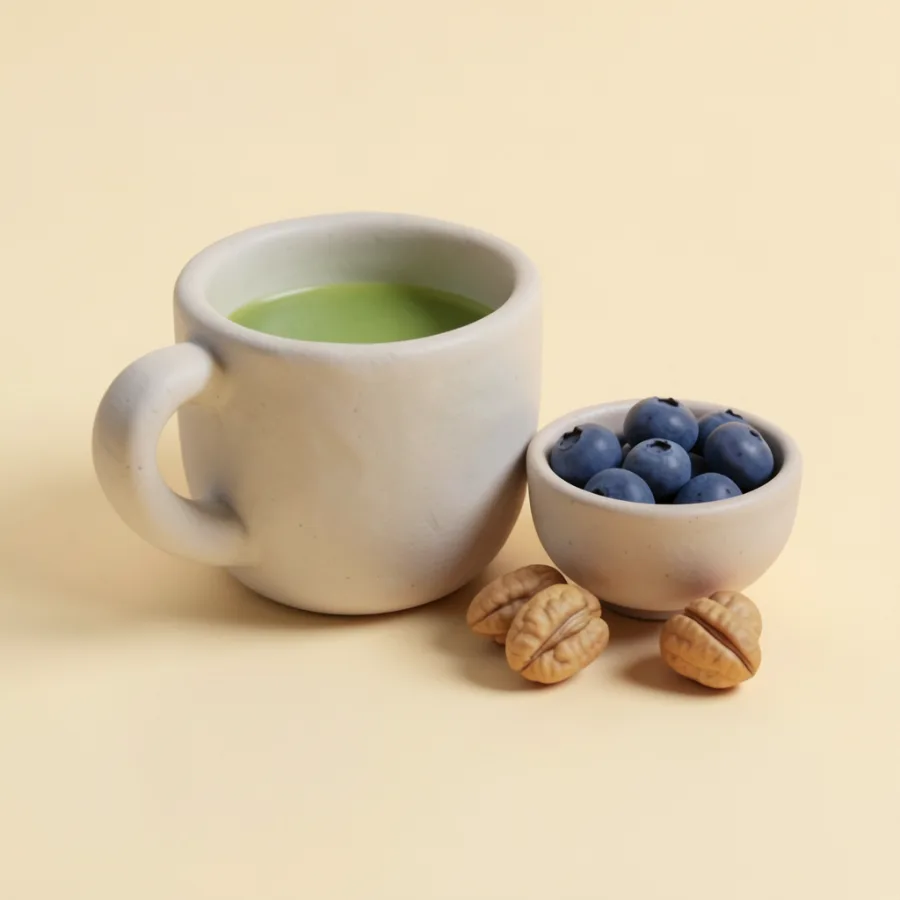
Nuts and seeds can stay
Nuts, seeds and popcorn are not harmful with diverticulosis.
Fluid with every fiber
Fiber needs water to work. Drink with meals and between.
Sample week
Seven days of high-fiber meals
About 1,900 to 2,200 calories a day. Scale portions to your needs. Find your number
Built from NIDDK and Harvard advice.
A flare with sudden belly pain, fever or nausea, or blood in the stool, needs a clinician. Diet advice during a flare is different, often clear liquids or low fiber at first.
Day 1Monday
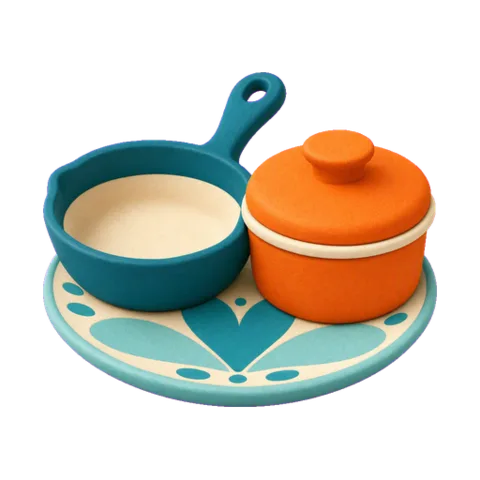 BreakfastOatmeal with blueberries and almonds1½ cups cooked oatmeal, ½ cup blueberries, 2 tbsp sliced almonds, 1 slice whole-grain toast with 1 tsp butter
 LunchLentil soup with whole-grain bread2 cups lentil and vegetable soup, 1 slice whole-grain bread, 1 tsp olive oil
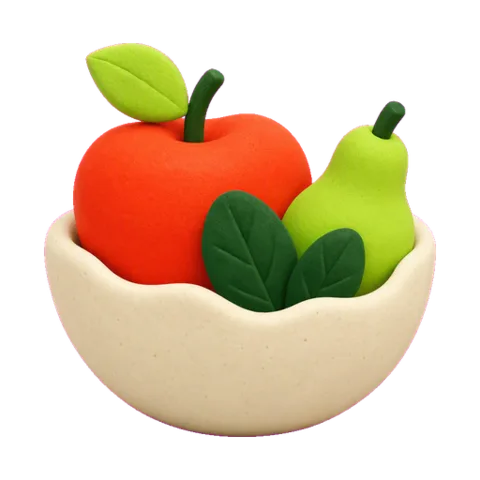
 SnackApple with peanuts1 apple, 1½ oz dry-roasted peanuts
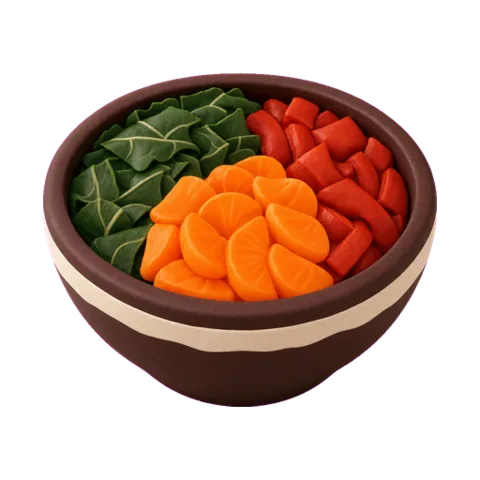 DinnerChicken with brown rice and broccoli5 oz chicken breast, 1 cup cooked brown rice, 1½ cups broccoli with 2 tsp olive oil
About 1,920 kcal104 g protein43 g fiber
Day 2Tuesday
- BreakfastBran flakes with banana and walnuts1½ cups bran flakes, 1 cup 1% milk, 1 banana, 2 tbsp walnuts
- LunchChickpea salad with whole-wheat pita½ cup chickpeas, 2 cups spinach, tomato, 1 tbsp olive oil, 1 whole-wheat pita
- SnackPear with almonds1 pear, 1½ oz almonds
- DinnerTurkey chili with beans and brown rice5 oz cooked ground turkey, ½ cup kidney beans, 1 cup cooked brown rice, tomato and chili powder
About 1,970 kcal97 g protein49 g fiber
Day 3Wednesday
- BreakfastRaspberry yogurt bowl with oats1 cup plain Greek yogurt, 1 cup raspberries, ½ cup dry oats, 3 tbsp pumpkin seeds
- LunchTuna salad with cannellini beans1 can tuna in water, drained, ¾ cup cannellini beans, arugula, 1 tbsp olive oil, 2 slices whole-grain bread
- SnackTrail mix with an orange1 orange, ⅓ cup trail mix with raisins and nuts
- DinnerBaked cod with quinoa and green beans6 oz baked cod, 1¼ cups cooked quinoa, 1½ cups green beans with 1 tbsp olive oil
About 1,920 kcal137 g protein41 g fiber
Day 4Thursday
- BreakfastWhole-grain toast with peanut butter and banana2 slices whole-grain toast, 2 tbsp peanut butter, 1 banana, 1 cup 1% milk
- LunchBarley and vegetable soup2 cups barley vegetable soup, side salad with 1 tbsp olive oil, 1 whole-grain roll
- SnackApple with walnuts1 apple, 1½ oz walnuts
- DinnerRoast chicken with sweet potato and broccoli5 oz chicken breast, 1 medium sweet potato, 1½ cups broccoli with 1 tbsp olive oil
About 1,930 kcal97 g protein38 g fiber
Day 5Friday
- BreakfastOatmeal with chia and raspberries1 cup cooked oatmeal, ½ cup raspberries, 1 tbsp chia seeds, 1 cup 1% milk, 2 tbsp sliced almonds
- LunchLentil salad with feta and bread¾ cup cooked lentils, cucumber, tomato, 1 oz feta, 1 tbsp olive oil, 2 slices whole-grain bread
- SnackPear with pistachios1 pear, 1½ oz pistachios
- DinnerTurkey meatballs with whole-wheat pasta5 oz cooked ground turkey, 1 cup cooked whole-wheat pasta, ¾ cup marinara, 1 cup broccoli
About 1,950 kcal106 g protein54 g fiber
Day 6Saturday
- BreakfastRaspberry oatmeal with almonds1½ cups cooked oatmeal, 1 cup raspberries, 2 tbsp sliced almonds, ½ cup plain yogurt
- LunchChicken and quinoa bowl4 oz chicken breast, ¾ cup cooked quinoa, ½ cup edamame, 2 tsp olive oil
- SnackBanana with peanut butter and cinnamon1 banana, 2 tbsp peanut butter, cinnamon
- DinnerBaked salmon with brown rice and green beans5 oz baked salmon, 1 cup cooked brown rice, 1½ cups green beans with 1 tsp olive oil
About 1,940 kcal119 g protein38 g fiber
Day 7Sunday
- BreakfastBran flakes with banana and milk1½ cups bran flakes, 1 cup 1% milk, 1 banana, 1 slice whole-grain toast
- LunchBean burrito bowl with brown rice½ cup black beans, 1 cup cooked brown rice, salsa, lettuce, 1 oz cheddar, 2 tsp olive oil
- SnackHummus with carrots⅓ cup hummus, 1 cup carrot sticks, 1 oz whole-grain crackers
- DinnerRoast turkey with potatoes and broccoli5 oz roast turkey breast, 1 cup roasted potatoes, 1½ cups broccoli with 1 tbsp olive oil
About 1,910 kcal100 g protein49 g fiber
Shopping list
What to buy
Most days
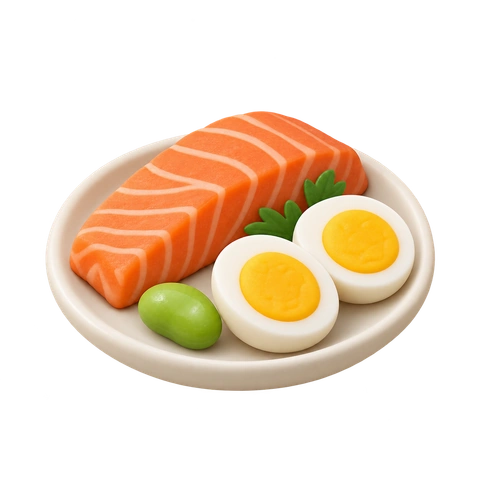 ProteinChicken, turkey, cod, salmon, yogurt, eggschicken breastsalmonegggreek yogurt


Now and then



Canned beans and frozen vegetables count the same as fresh and cost less.
Make it yours
This week is a sample. Alma builds yours.
- Meals fit to your goal and the foods you like
- Log a meal by photo, voice or text in about 10 seconds
- Every meal gets an Alma Score from 0 to 100

Questions
What people ask
What is a good diet for diverticulosis?
A high-fiber diet: fruit, vegetables, whole grains, beans, nuts and seeds. NIDDK says doctors may recommend more high-fiber foods, and the Dietary Guidelines put the target at 14 grams of fiber per 1,000 calories.
How many calories is this meal plan?
About 1,900 to 2,200 calories a day, with 38 to 54 grams of fiber and 97 to 137 grams of protein. That fiber sits above the 28 grams the Dietary Guidelines give for 2,000 calories, so build up to it. Use the fiber calculator to check your own number.
Should I avoid nuts, seeds and popcorn?
No. NIDDK says doctors used to advise avoiding nuts, popcorn and seeds, and newer research finds no harm from them with diverticulosis. They are good fiber sources. Chew well and add them gradually.
How fast should I increase fiber?
Slowly. NIDDK and Harvard's Nutrition Source both advise raising fiber a little at a time, since a sudden jump can cause bloating and cramping. Add one higher-fiber food at a time and drink more fluids as you go.
What should I eat during a flare?
That is a different week. Sudden belly pain, fever or nausea means calling a clinician, and they may suggest clear liquids or low fiber for a few days first. Come back to this plan when you are back to normal.
Does fiber lower the risk of diverticulitis?
NIDDK says research suggests a low-fiber, high-red-meat diet may raise the risk of diverticulitis, and that high-fiber foods and less red meat may lower it. Fiber also helps keep stools soft. Ask your clinician what fits your history.
How does Alma help with a high-fiber week?
Log a meal by photo, voice or text in about 10 seconds. Each meal gets an Alma Score from 0 to 100, which draws on Harvard's Alternate Healthy Eating Index and rewards the whole grains, beans and vegetables this week is built on. Alma builds a plan around your goal and the foods you like.
Sources
Written by Alma from the sources below and reviewed November 17, 2026. Calories and protein are estimates. This is general information, not medical advice. If you manage a health condition or take medication, check changes with your clinician. Editorial standards
Get a week built around you.
Tell Alma your goal and the foods you like. It plans the meals and scores each one.