Japanese meal plan, one tray at a time.
A Japanese diet builds each meal from rice, fish or soy, vegetables and soup, with fruit and a little dairy.


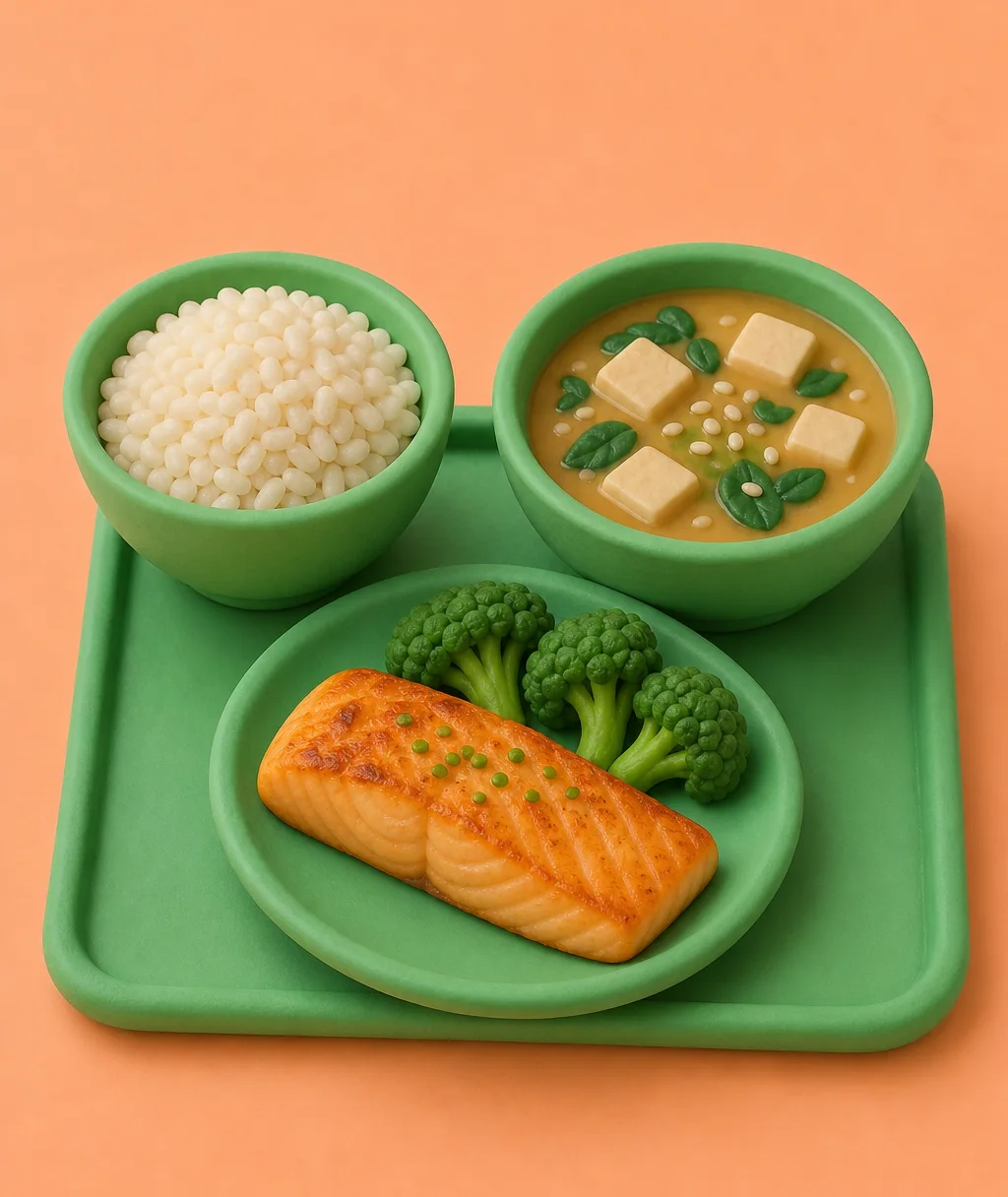

What do Japanese people eat in a day?
Japan's food guide, the Spinning Top, builds the day from five groups: grain dishes like rice and noodles, vegetable dishes including mushrooms, potatoes and seaweed, fish, meat, egg and soy dishes, milk, and fruit.
Sources checked November 20, 2026. SourcesThree habits behind the Japanese plate
Fill the five dish groups
Grains, vegetable dishes, a fish, meat, egg or soy dish, milk and fruit.
Lean on fish and soy
Salmon, mackerel, cod, tofu, edamame and eggs as the main dish.
Keep the salt light
Use reduced-sodium soy sauce, a small bowl of miso soup and herbs or citrus for flavor.
Seven days of Japanese home cooking
About 1,700 to 2,000 calories a day, with fish or soy at most meals and lighter salt. Scale portions to your needs. Find your number
Built from The BMJ and NIH advice.
Day 1Monday
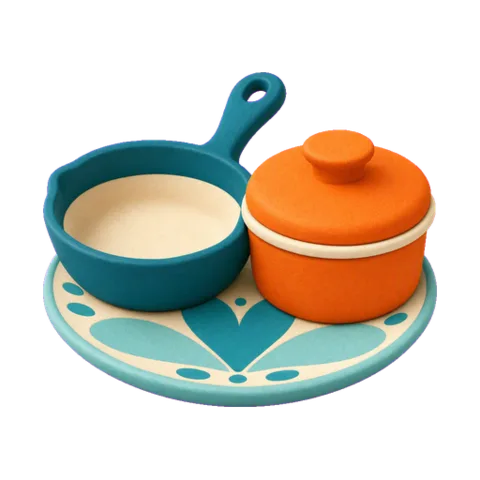 BreakfastRice, egg and spinach breakfast1 cup steamed brown rice, 2 eggs cooked in 1 tsp oil, 1 cup spinach with 1 tsp sesame seeds, 1 sheet nori
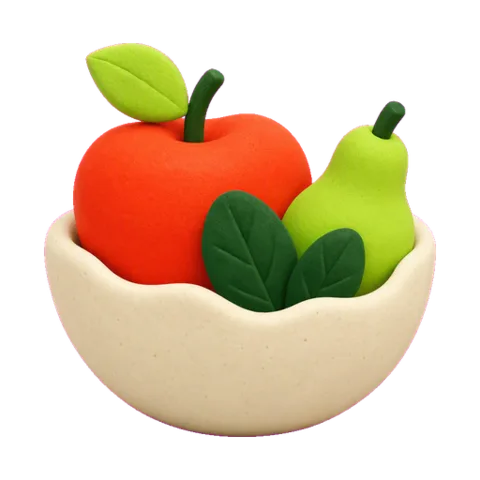 LunchSoba with tofu and vegetables1½ cups soba noodles, ½ cup firm tofu, ½ cup edamame, 1 cup bok choy and carrots, 2 tsp reduced-sodium soy sauce
 SnackGreek yogurt with mandarin1 cup plain nonfat Greek yogurt, 2 mandarins, ½ oz almonds
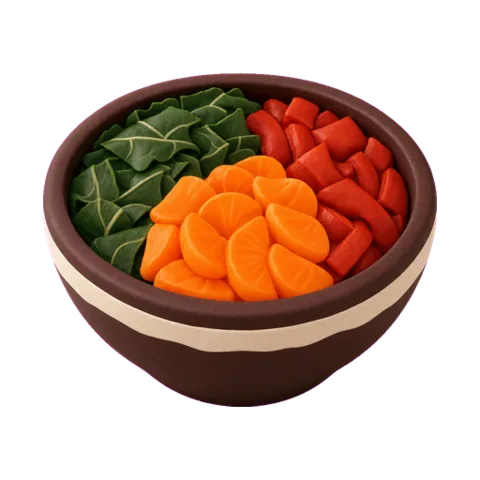 DinnerSalmon, rice and miso soup5 oz grilled salmon, 1 cup rice, 1 cup miso soup with 2 tsp miso and spinach, 1 cup cucumber salad with rice vinegar
About 1,840 kcal134 g protein27 g fiber
The other 6 days
Day 2Tuesday
- BreakfastOatmeal with kiwi and sesame1 cup oatmeal cooked in 2% milk, 1 kiwi, 1 tsp sesame seeds, ½ oz walnuts
- LunchChicken and vegetable rice bowl4 oz grilled chicken breast, 1 cup brown rice, 1 cup broccoli and carrots, 2 tsp reduced-sodium soy sauce, 1 tsp oil
- SnackEdamame and an apple1 cup shelled edamame, 1 apple
- DinnerMiso cod with sweet potato and greens5 oz cod glazed with 1 tsp miso, 1 medium roasted sweet potato, 1 cup bok choy, 1 cup rice, 1 tsp oil
About 1,790 kcal122 g protein33 g fiber
Day 3Wednesday
- BreakfastTofu scramble with rice½ cup firm tofu scrambled in 1 tsp oil with scallions, 1 cup brown rice, 1 cup cooked spinach
- LunchSalmon onigiri with cucumber salad2 rice balls made with 1 cup rice, 3 oz cooked salmon and 2 sheets nori, 1 cup cucumber with rice vinegar
- SnackPear, yogurt and almonds1 medium pear, ¾ cup plain nonfat Greek yogurt, ½ oz almonds
- DinnerGinger chicken stir-fry with mushrooms4 oz chicken breast, 1 cup mushrooms and cabbage, 1 cup brown rice, 2 tsp reduced-sodium soy sauce, 2 tsp oil, ginger
About 1,770 kcal122 g protein24 g fiber
Day 4Thursday
- BreakfastRice porridge with egg and spinach1 cup rice simmered in low-sodium broth, 2 eggs, 1 cup spinach, scallions, 1 mandarin
- LunchTuna and edamame rice bowl3 oz canned tuna, ½ cup edamame, 1 cup rice, 1 cup cucumber and carrots, 1 tsp sesame oil
- SnackOrange and almonds1 orange, 1 oz almonds
- DinnerGrilled mackerel with rice and miso soup4 oz grilled mackerel, 1 cup rice, 1 cup miso soup with 2 tsp miso and tofu, 1 cup steamed broccoli
About 1,750 kcal104 g protein27 g fiber
Day 5Friday
- BreakfastYogurt with strawberries and oats1 cup plain nonfat Greek yogurt, 1 cup strawberries, ½ cup dry rolled oats
- LunchShrimp and vegetable soba2 cups soba noodles, 5 oz cooked shrimp, 1 cup bok choy and mushrooms, 2 tsp reduced-sodium soy sauce, 1 tsp oil
- SnackEdamame and a kiwi1 cup shelled edamame, 1 kiwi
- DinnerTeriyaki-style salmon with brown rice5 oz baked salmon with 2 tsp reduced-sodium soy sauce and ginger, 1½ cups brown rice, 1 cup spinach with 1 tsp sesame seeds
About 1,750 kcal143 g protein29 g fiber
Day 6Saturday
- BreakfastEgg and rice bowl with nori1 cup rice, 3 eggs cooked in 1 tsp oil, 1 sheet nori, 1 cup cucumber
- LunchTofu and edamame rice bowl½ cup firm tofu, ½ cup edamame, 1 cup brown rice, 1 cup broccoli and carrots, 2 tsp reduced-sodium soy sauce, 1 tsp oil
- SnackApple, yogurt and walnuts1 apple, ¾ cup plain nonfat Greek yogurt, ½ oz walnuts
- DinnerChicken with sweet potato and miso soup4 oz grilled chicken breast, 1 medium sweet potato, 1 cup miso soup with 2 tsp miso, 1 cup cabbage salad
About 1,740 kcal125 g protein28 g fiber
Day 7Sunday
- BreakfastOatmeal with pear and walnuts1 cup oatmeal cooked in 2% milk, 1 pear, 1 oz walnuts
- LunchSalmon and rice bento4 oz grilled salmon, 1 cup rice, 1 hard-boiled egg, 1 cup broccoli and carrots, 1 sheet nori
- SnackEdamame and strawberries1 cup shelled edamame, 1 cup strawberries
- DinnerBaked cod with soba and greens5 oz baked cod with ginger, 1½ cups soba noodles, 1 cup bok choy and spinach, 2 tsp reduced-sodium soy sauce, 1 tsp oil
About 1,770 kcal122 g protein31 g fiber
What to buy
See the full shopping list (10 foods)
Most days
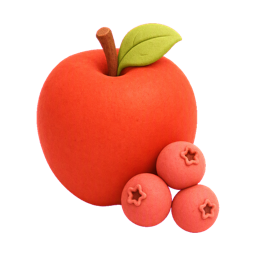
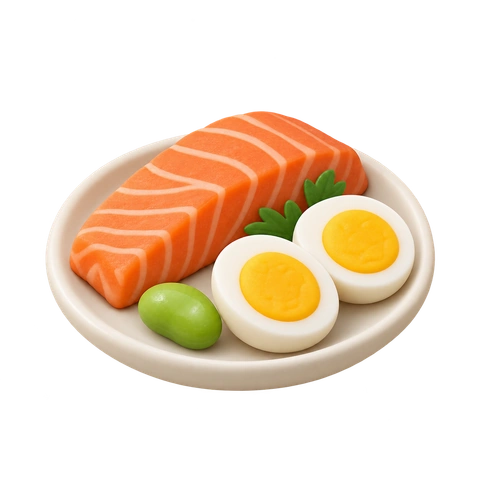 Milk and yogurtPlain Greek yogurt, 2% milkgreek yogurt


Now and then




Seaweed is rich in iodine, and labels usually do not list it, per NIH. Keep portions small, like the nori here.

This week is a sample. Alma builds yours
Meals fit to your goal and the foods you like, each with an Alma Score from 0 to 100.

What else do people ask?
Is the Japanese diet healthy?
In The BMJ, a study of about 79,600 Japanese adults aged 45 to 75 found that those who followed the Spinning Top most closely had 15% lower total mortality over about 15 years, mainly from lower cerebrovascular disease mortality. It was an observational study, so it shows a link, not proof.
Is the Japanese diet high in salt?
It can be, since soy sauce, miso and pickles add sodium. A 2022 meta-analysis of cohort studies on the Japanese-style diet found higher salt intake raised the risk of cardiovascular and stroke death. This week uses reduced-sodium soy sauce and small portions of miso, and by USDA estimates every day stays under 2,300 mg of sodium.
Is it safe to eat seaweed every day?
Seaweed is rich in iodine, and NIH says labels usually do not list how much. The upper limit for adults is 1,100 mcg a day. This week uses small sheets of nori, and you can ask your clinician if you have a thyroid condition.
How many calories is this meal plan?
About 1,700 to 2,000 calories a day, with 100 g of protein or more and about 24 to 33 g of fiber from vegetables, soy, grains and fruit. Scale portions to your needs.
How can Alma help with a Japanese diet?
Log each tray, bowl or bento by photo, voice or text in about 10 seconds, and every meal gets an Alma Score from 0 to 100, which draws on Harvard's Alternate Healthy Eating Index. Alma can build the plan around your goal and the Japanese foods you like.
Sources
Written by Alma from the sources below. Sources checked November 20, 2026. Calories and protein are estimates. This is general information, not medical advice. If you manage a health condition or take medication, check changes with your clinician. Editorial standards

Get a week built around you
Log a meal by photo, voice or text in about 10 seconds.