Wound recovery meal plan, protein at every meal.
Skin repair needs enough calories, protein and fluid.


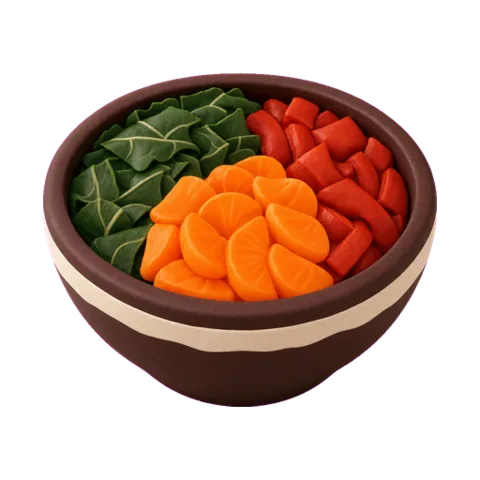
What foods help a wound recover?
Foods with protein, vitamin C and zinc. Protein comes from chicken, fish, eggs, dairy and beans. The NIH Office of Dietary Supplements lists citrus, peppers, kiwi, broccoli and strawberries for vitamin C, and red meat, seafood, beans, nuts and dairy for zinc. Enough calories and fluid matter too.
Sources checked November 28, 2026. SourcesThree habits support skin repair
Eat more protein than usual
Protein at every meal and snack. Each day here has 114 to 134 g.
Get enough calories and fluid
Eat every meal and snack, even with a low appetite. Drink with meals.
Add vitamin C and zinc foods
Peppers, kiwi, citrus and broccoli for C. Beef, seafood, beans and dairy for zinc.
Seven days with protein at every meal
About 2,060 to 2,180 calories and 114 to 134 g of protein a day. Scale portions to your needs. Find your number
Monday
 BreakfastStrawberry almond oatmeal with milk½ cup dry oats cooked in 1 cup 2% milk, 1 cup strawberries, 1 oz almonds, 1 tsp honey, 1 banana
 LunchTurkey, cheddar and pepper sandwich3 oz turkey breast, ½ oz cheddar, ½ avocado, 1 cup sliced red pepper, 2 slices whole wheat bread, 1 orange
 SnackCottage cheese with kiwi and walnuts½ cup 2% cottage cheese, 2 kiwis, ½ oz walnuts
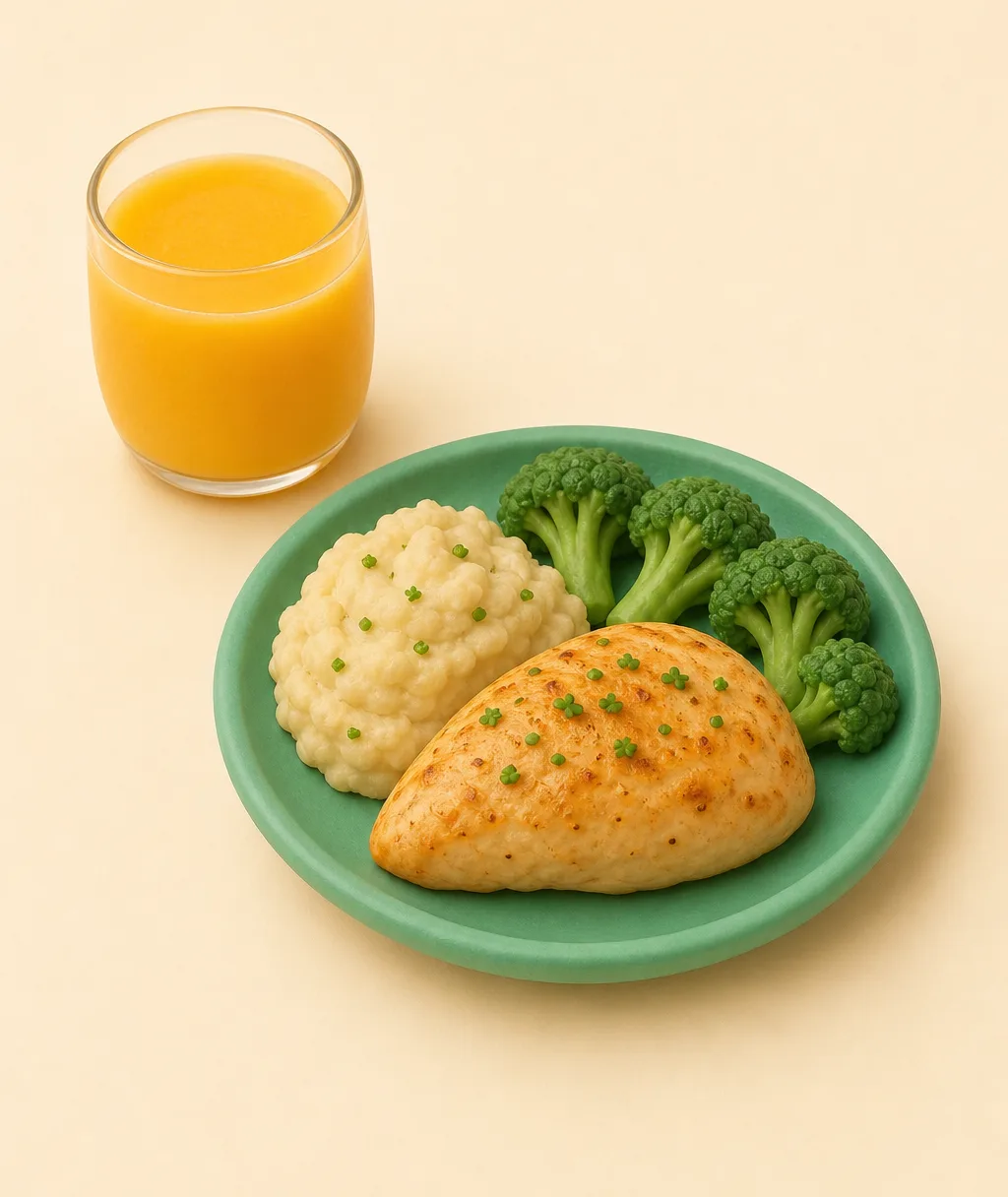
 DinnerBaked chicken, mashed potatoes, broccoli4 oz baked chicken breast, 1½ cups mashed potatoes made with milk, 1 cup broccoli, 1 tsp olive oil, 1 slice sourdough with 1 tsp butter, 1 cup orange juice
About 2,150 kcal126 g protein42 g fiber
Tuesday
- BreakfastVeggie egg scramble with toast2 eggs, ½ cup red pepper, ½ cup cooked spinach, 1 tsp olive oil, 2 slices whole wheat toast, 1 tsp butter, 1 orange
- LunchChicken and black bean rice bowl3 oz chicken breast, ½ cup black beans, 1½ cups cooked brown rice, ½ avocado, 1 tsp olive oil
- SnackGreek yogurt with blueberries and walnuts1 cup nonfat Greek yogurt, 1 cup blueberries, 1 oz walnuts, 1 tsp honey
- DinnerBeef and broccoli stir-fry with rice3 oz lean beef, 1½ cups broccoli, ½ cup red pepper, 2 tsp olive oil, 1 cup cooked white rice
About 2,180 kcal128 g protein41 g fiber
Wednesday
- BreakfastPeanut butter banana toast and milk2 slices whole wheat toast, 2 tbsp peanut butter, 1 banana, 1 cup 2% milk
- LunchSalmon quinoa salad with peppers3 oz baked salmon, 1 cup cooked quinoa, 1 cup red pepper, ½ cup cooked spinach, 2 tsp olive oil
- SnackBoiled eggs, strawberries and toast2 hard-boiled eggs, 1 cup strawberries, 1 slice sourdough toast with 1 tsp butter
- DinnerTurkey chili with baked potato4 oz ground turkey breast, ½ cup black beans, ½ cup red pepper, 1 tsp olive oil, 1 baked potato with 1 tsp butter, ½ oz cheddar, ½ avocado
About 2,060 kcal122 g protein38 g fiber
Thursday
- BreakfastKiwi yogurt parfait with toasted oats1 cup nonfat Greek yogurt, 2 kiwis, ¾ cup dry oats toasted with 1 tsp olive oil, 1 tsp honey, 1 banana
- LunchLentil soup with cheddar toast½ cup cooked lentils, ½ cup carrots, 2 cups broth, 1 tsp olive oil, 2 slices whole wheat toast, 1 oz cheddar
- SnackApple, almonds and a glass of milk1 apple, 1 oz almonds, 1 cup 2% milk
- DinnerGarlic shrimp with broccoli and rice4 oz shrimp, 1½ cups cooked white rice, 1 cup broccoli, 3 tsp olive oil, 1 tbsp parmesan
About 2,090 kcal114 g protein41 g fiber
Friday
- BreakfastCottage cheese pancakes with berries2 eggs, ½ cup 2% cottage cheese and ½ cup dry oats blended and cooked in 1 tsp butter, 1 cup blueberries, 1 cup 2% milk
- LunchTuna and white rice bowl with edamame3 oz canned light tuna, 1½ cups cooked white rice, ½ cup edamame, ½ avocado, 1 cup red pepper, 1 tsp olive oil
- SnackHummus with carrots and an orange½ cup hummus, 1 cup carrot sticks, 1 orange
- DinnerRoast chicken with sweet potato4 oz roast chicken breast, 1½ medium baked sweet potatoes, 1 cup green beans, 2 tsp olive oil, 1 cup 2% milk
About 2,140 kcal134 g protein43 g fiber
Saturday
- BreakfastSpinach and cheddar omelet with toast2 eggs, ½ cup cooked spinach, 1 oz cheddar, 1 tsp olive oil, 1 slice whole wheat toast, 1 cup orange juice
- LunchChicken and vegetable barley soup3 oz chicken breast, 1 cup cooked barley, ½ cup carrots, 1 cup zucchini, 2 cups broth, 1 tsp olive oil, 1 slice whole wheat bread
- SnackPeanut butter apple and milk1 apple, 2 tbsp peanut butter, 1 cup 2% milk
- DinnerClams with whole wheat pasta3 oz cooked clams, 2 cups cooked whole wheat pasta, 1 cup broccoli, 3 tsp olive oil, 1 tbsp parmesan
About 2,130 kcal125 g protein41 g fiber
Sunday
- BreakfastKiwi chia yogurt bowl with almonds1 cup nonfat Greek yogurt, 2 kiwis, 1 tbsp chia seeds, 1 oz almonds, 1 tsp honey
- LunchChickpea and spinach quinoa bowl½ cup chickpeas, 1½ cups cooked quinoa, ½ avocado, ½ cup cooked spinach, 1 cup red pepper, 2 tsp olive oil
- SnackCottage cheese, strawberries and walnuts1 cup 2% cottage cheese, 1 cup strawberries, ½ oz walnuts
- DinnerSalmon with baked potato and broccoli4 oz baked salmon, 1½ baked potatoes, 1 cup broccoli, 2 tsp butter, 1 cup orange juice
About 2,150 kcal121 g protein48 g fiber
Red, warm or painful skin, pus, fever, or a wound that is not closing need care soon. If you have kidney disease, ask your care team before eating more protein.
Built from 2019 pressure injury guideline and NIH ODS advice.
What to buy
Most days
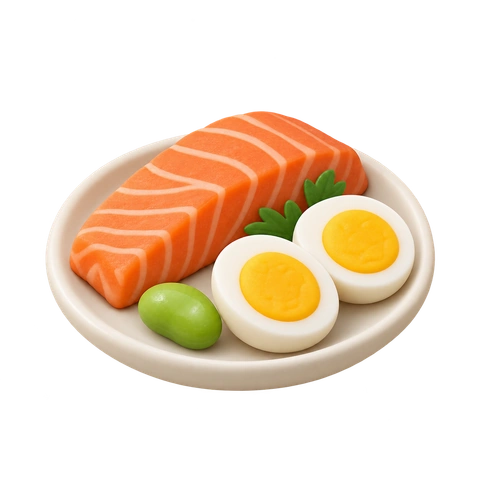 Lean proteinsChicken breast, turkey, lean beef, salmon, light tuna, shrimp, clams, eggschicken breastsalmonegg
- DairyGreek yogurt, cottage cheese, 2% milk, cheddar, parmesangreek yogurtcottage cheese



Now and then




With diabetes, keep blood sugar in your target range. MedlinePlus advises good control with a foot ulcer.

This week is a sample. Alma builds yours
Meals fit to your goal and the foods you like, each with an Alma Score from 0 to 100.
What else do people ask?
How much protein do you need for a wound?
For adults with a pressure injury who are malnourished or at risk, the 2019 international guideline suggests 1.25 to 1.5 g of protein per kilogram of body weight a day, per a review by Munoz and colleagues. That is well above the 0.8 g RDA. Your care team can set the right number for you.
Should I take vitamin C or zinc for a wound?
Get them from food first. This week includes peppers, kiwi, oranges, broccoli, beef, clams and dairy. The 2019 guideline did not look at high doses of vitamin C or zinc. Ask your clinician before taking either as a pill, since they can check whether you are low.
What if I can't eat enough while recovering?
Eat small meals and protein snacks often, like yogurt, cottage cheese, eggs or milk. The 2019 guideline suggests oral nutrition supplements when food alone cannot meet needs. Ask your care team or a dietitian which one fits you.
What if I have diabetes and a wound?
MedlinePlus advises people with diabetes and a foot ulcer to keep their blood sugar under good control and to call a provider for signs of infection, such as redness, warmth, swelling, pus or fever. NIDDK says to call right away if a cut, blister or bruise on the foot is not getting better after a few days.
How many calories is this meal plan?
Each day lands between about 2,060 and 2,180 calories, with 114 to 134 g of protein and 38 to 48 g of fiber. For adults with a pressure injury who are malnourished or at risk, the 2019 guideline suggests 30 to 35 calories per kg a day. Needs vary by wound and body size, so follow your care team's advice.
How can Alma help while a wound recovers?
Log a meal by photo, voice or text in about 10 seconds and see your protein for the day add up. Every meal gets an Alma Score from 0 to 100, which draws on Harvard's Alternate Healthy Eating Index. Alma builds a plan around your goal and the foods you like.
Sources
Written by Alma from the sources below. Sources checked November 28, 2026. Calories and protein are estimates. This is general information, not medical advice. If you manage a health condition or take medication, check changes with your clinician. Editorial standards
- Munoz et al., 2020, The Role of Nutrition for Pressure Injury Prevention and Healing: The 2019 International Clinical Practice Guideline Recommendations
- NIH Office of Dietary Supplements, Zinc fact sheet for consumers
- NIH Office of Dietary Supplements, Vitamin C fact sheet for consumers
- MedlinePlus, Foot ulcers in diabetes: self-care
- NIDDK, Diabetes and foot problems
- USDA FoodData Central, for calorie and protein estimates

Get a week built around you
Log a meal by photo, voice or text in about 10 seconds.