


PMS meal plan, steadier through the month.
There is no single diet for PMS, and symptoms vary a lot from person to person.

What foods help with PMS?
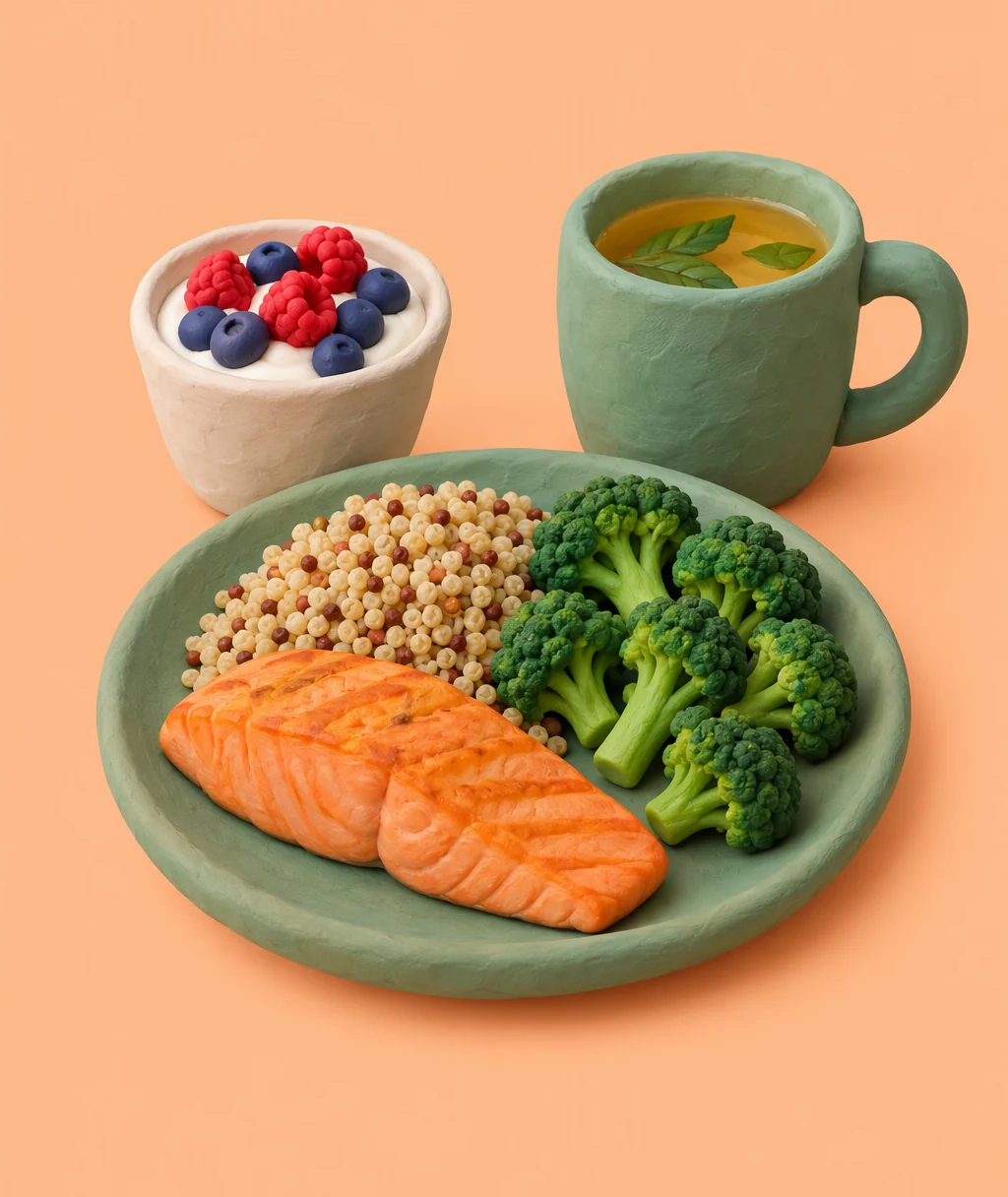
ACOG points to a diet rich in complex carbohydrates, calcium-rich foods such as yogurt and leafy greens, and less fat, salt and sugar. It also suggests cutting back on caffeine and alcohol. The evidence for any single food is modest, so use this week as a pattern.
Reviewed October 28, 2026. SourcesThe rules
Complex carbs, calcium, steady meals
Build meals on complex carbs
Whole grains, beans and lentils at most meals.
Put calcium on the plate
Yogurt, milk, sardines, tofu and leafy greens.
Ease off salt, caffeine, alcohol
Lighter on all three when symptoms show up.
Sample week
Seven days of PMS-friendly meals
About 1,800 to 2,100 calories a day, with 26 to 40 grams of fiber. Scale portions to your needs. Find your number
Built from ACOG and Mayo Clinic advice.
Severe mood symptoms, very heavy bleeding, or pain that gets in the way of work or sleep deserves a clinician, not a meal plan. So does pelvic pain that is new or getting worse.
Day 1Monday
 BreakfastOatmeal with yogurt and berries1 cup cooked oats, 1 cup plain yogurt, 1 cup berries
 LunchLentil salad with spinach¾ cup cooked lentils, 2 cups spinach, 1 oz feta, 1 tbsp olive oil, 1 slice whole-wheat bread
 SnackAlmonds with milk and an orange1 oz almonds, 1 orange, 1 cup milk
 DinnerSalmon with brown rice5 oz salmon, 1½ cups cooked brown rice, 1 cup broccoli, 2 tsp olive oil
About 1,930 kcal101 g protein39 g fiber
See the other 6 days
Day 2Tuesday
- BreakfastGreek yogurt with tahini toast1 cup Greek yogurt, 1 slice whole-wheat toast, 1 tbsp tahini, 1 tsp honey
- LunchTofu and vegetable stir-fry5 oz tofu, 1 cup cooked brown rice, 2 cups mixed vegetables, 1 tbsp olive oil
- SnackCottage cheese with berries¾ cup cottage cheese, 1 cup blueberries, 1 cup milk
- DinnerBeef with sweet potato4 oz lean beef, 1 medium sweet potato, 2 cups kale, 1 tbsp olive oil, 1 slice whole-wheat bread
About 1,810 kcal116 g protein26 g fiber
Day 3Wednesday
- BreakfastEggs with spinach and toast2 eggs, 1 cup spinach, 1 slice whole-wheat bread, 2 tsp olive oil, 1 orange
- LunchChicken and quinoa salad4 oz chicken, 1 cup cooked quinoa, 1 cup cucumber, 1 tbsp olive oil, 1 oz feta
- SnackYogurt with pumpkin seeds1 cup Greek yogurt, 1 tbsp pumpkin seeds, 1 cup milk, 1 cup berries
- DinnerSardines with pasta1 can sardines, 1½ cups cooked pasta, 1 cup tomatoes, 1 tbsp olive oil
About 1,950 kcal121 g protein27 g fiber
Day 4Thursday
- BreakfastSmoothie with yogurt and fruit1 cup Greek yogurt, 1 banana, 1 cup milk, 1 tbsp almond butter
- LunchTurkey and hummus wrap1 whole-wheat tortilla, 3 oz turkey, ⅓ cup hummus, spinach, 1 orange
- SnackDark chocolate and almonds1 oz dark chocolate, 1 oz almonds
- DinnerBaked salmon with sweet potato5 oz salmon, 1 medium sweet potato, 1 cup green beans, 1 tbsp olive oil
About 1,820 kcal98 g protein28 g fiber
Day 5Friday
- BreakfastOatmeal with peanut butter and banana1 cup cooked oats, 1 tbsp peanut butter, 1 banana, 1 cup milk
- LunchLentil soup with a roll1½ cups lentil soup, 1 whole-wheat roll, 1 oz cheese
- SnackHummus with carrots½ cup hummus, 1 cup carrot sticks, 1 cup water
- DinnerChicken with rice and broccoli5 oz chicken breast, 1½ cups cooked rice, 1 cup broccoli, 1 tbsp olive oil
About 1,890 kcal104 g protein40 g fiber
Day 6Saturday
- BreakfastBuckwheat pancakes with berries3 buckwheat pancakes (4 inch), 1 cup berries, 1 cup plain yogurt
- LunchEgg and bean salad2 eggs, ¾ cup black beans, 1 cup tomatoes, 2 tsp olive oil, 1 slice whole-wheat bread
- SnackMango with pumpkin seeds1 cup mango, 1 tbsp pumpkin seeds, 1 cup milk
- DinnerTrout with potatoes5 oz trout, 1½ cups boiled potatoes, 2 cups spinach, 1 tbsp olive oil
About 1,820 kcal99 g protein32 g fiber
Day 7Sunday
- BreakfastCottage cheese, peaches and toast1 cup cottage cheese, 1 cup peaches, 2 slices whole-wheat toast
- LunchQuinoa and chickpea bowl1 cup cooked quinoa, ¾ cup chickpeas, 2 cups mixed vegetables, 1 tbsp olive oil
- SnackWalnuts and an apple1 oz walnuts, 1 apple
- DinnerRoast chicken with potatoes5 oz chicken, 1½ cups potatoes, 1 cup green beans, 1 tbsp olive oil
About 1,990 kcal105 g protein36 g fiber
Shopping list
What to buy
See the full shopping list (9 foods)
Most days
 Iron foodsLean beef, chicken, sardines, lentils, beans, spinachchicken breastlentilsspinach
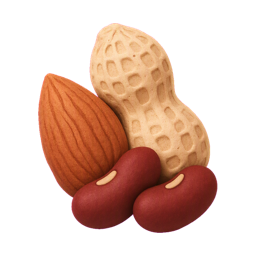
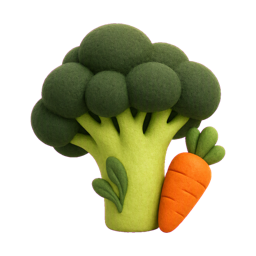


Now and then



ACOG suggests six small meals, so split these four meals further if that suits you.
Make it yours
This week is a sample. Alma builds yours.
- Meals fit to your goal and the foods you like
- Log a meal by photo, voice or text in about 10 seconds
- Every meal gets an Alma Score from 0 to 100

Questions
What else do people ask?
Should I take calcium for PMS?
Ask your clinician. ACOG notes that calcium may help physical and mood symptoms, but the decision to use a supplement, and how much, belongs with your care team.
Does cutting out caffeine help?
ACOG lists avoiding caffeine among the diet changes that may help relieve symptoms. If you drink a lot of coffee or tea, ask your clinician how to cut back in a way that works for you.
Why eat smaller meals more often?
ACOG suggests six small meals instead of three large ones, or three meals plus three light snacks. Mayo Clinic also suggests smaller, more frequent meals. This week has four meals a day, and you can split them further.
Are carbs bad before your period?
No. The carbohydrate to favor is the complex kind: whole grains, beans, lentils, potatoes and fruit. ACOG suggests a complex-carbohydrate rich diet may reduce mood symptoms and cravings.
How many calories is this meal plan?
About 1,800 to 2,100 calories a day, with 26 to 40 grams of fiber and roughly 98 to 121 grams of protein. Scale portions to your needs and your appetite across the month.
Should I change how I eat when symptoms start?
Mayo Clinic suggests smaller, more frequent meals, less salt to ease bloating, and complex carbs and calcium-rich foods. Symptoms vary a lot. Track a couple of cycles and see what lines up for you.
How can Alma help with PMS eating?
Log meals by photo, voice or text in about 10 seconds, and each one gets an Alma Score from 0 to 100. Over a couple of months that record shows which weeks you eat differently, and Alma builds the plan around your goal and the foods you like.
Sources
Written by Alma from the sources below and reviewed October 28, 2026. Calories and protein are estimates. This is general information, not medical advice. If you manage a health condition or take medication, check changes with your clinician. Editorial standards
- ACOG: Premenstrual Syndrome (PMS) Frequently Asked Questions
- Mayo Clinic: Premenstrual syndrome (PMS)
- NIH Office of Dietary Supplements: Calcium, Consumer Fact Sheet
- NIH Office of Dietary Supplements: Vitamin D, Consumer Fact Sheet
- NIH Office of Dietary Supplements: Iron, Consumer Fact Sheet
- USDA FoodData Central, for calorie and protein estimates
Get a week built around you.
Tell Alma your goal and the foods you like. It plans the meals and scores each one.