Osteopenia meal plan, with calcium at every meal.
Build each day around dairy, canned fish with bones, tofu and leafy greens.


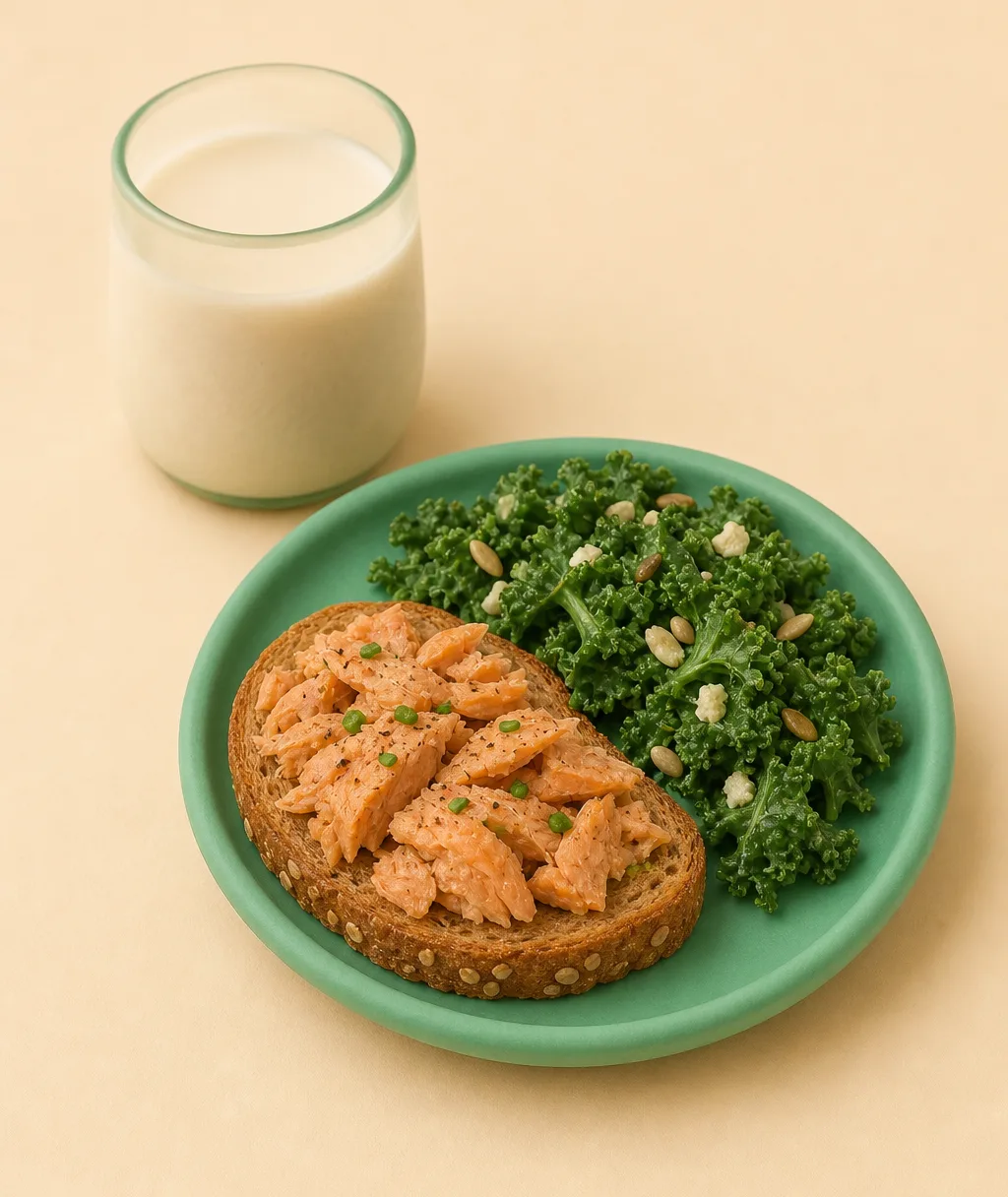
What are the best calcium rich foods for osteopenia?
NIH names milk, yogurt and cheese as the main sources for most people. Canned sardines and salmon with bones, kale, broccoli and bok choy also give calcium, as do fortified soy milk, some tofu and some cereals. This plan uses all of them.
Sources checked November 29, 2026. SourcesThree habits do most of the work
Get calcium from food first
Three or four servings of milk, yogurt, cheese or fortified soy milk a day.
Eat the fish bones
Canned salmon and sardines with bones, plus tofu set with calcium.
Pair calcium with vitamin D
Fortified milk and soy milk, salmon and trout add vitamin D to the week.
Seven days of calcium-rich meals
About 1,830 to 2,020 calories and about 1,300 to 1,600 mg of calcium a day from food. Scale portions to your needs. Find your number
Monday
 BreakfastYogurt with figs and almonds1 cup plain low-fat yogurt, 3 dried figs, 1 tbsp almonds, ¾ cup oats cooked in water
 LunchCanned salmon toast with kale salad3 oz canned salmon with bones, 2 slices whole-wheat toast, 1 cup kale, 2 tsp olive oil, 2 tbsp Greek yogurt
 SnackOrange and walnuts1 orange, 1 oz walnuts
 DinnerChicken and bok choy stir-fry4 oz chicken breast, 1 cup bok choy, ½ red pepper, 2 tsp canola oil, 1½ cups cooked brown rice, 1 cup 1% milk
About 1,960 kcal113 g protein68 g fat
Tuesday
- BreakfastShredded wheat with milk and berries1 cup shredded wheat, 1 cup 1% milk, 1 cup blueberries, 2 tbsp walnuts
- LunchSardine salad with white beans1 can sardines with bones, ¾ cup white beans, 2 cups romaine, 1 tomato, 2 tsp olive oil, 1 slice whole-wheat bread
- SnackGreek yogurt with kiwi and walnuts¾ cup Greek yogurt, 2 kiwis, 2 tbsp walnuts
- DinnerChicken with broccoli and baked potato4 oz chicken breast, 1 cup broccoli, 1 baked potato, ½ oz cheddar, 2 tsp olive oil
About 1,850 kcal126 g protein65 g fat
Wednesday
- BreakfastSoy milk smoothie with banana and chia1 cup calcium-fortified soy milk, 1 banana, 1 tbsp chia seeds, 1 tbsp peanut butter, ¼ cup oats
- LunchCollard green and white bean soup1 cup cooked collards, 1 cup white beans, 1 carrot, ½ cup onion, 2 tsp olive oil, 1 tbsp parmesan, 2 slices whole-wheat bread
- SnackCottage cheese with peach and almonds¾ cup low-fat cottage cheese, 1 peach, 1 oz almonds
- DinnerBaked trout with quinoa and green beans4 oz trout, 1 cup cooked quinoa, 1 cup green beans, 2 tsp olive oil
About 1,920 kcal114 g protein70 g fat
Thursday
- BreakfastCheese and egg breakfast sandwich1 egg, 2 slices whole-wheat toast, ½ oz cheddar, ½ tomato, ¼ avocado, 1 cup 1% milk
- LunchChicken and edamame grain bowl3 oz chicken breast, ½ cup edamame, 1 cup cooked brown rice, 1 cup cabbage, 1 carrot, 1 tbsp tahini
- SnackAlmonds and an orange1 oz almonds, 1 orange
- DinnerSalmon cakes with kale and sweet potato4 oz canned salmon with bones, ½ egg, 1 cup cooked kale, 1 cup sweet potato, 1 tbsp olive oil
About 1,860 kcal112 g protein77 g fat
Friday
- BreakfastYogurt parfait with raspberries1 cup plain low-fat yogurt, 1 cup raspberries, ¼ cup granola, 1 slice whole-wheat toast, 1 tbsp peanut butter
- LunchTurkey and cheese wrap with slaw1 whole-wheat tortilla, 3 oz turkey breast, 1 oz part-skim mozzarella, 1 cup cabbage, 2 tbsp Greek yogurt, 1 apple
- SnackDried figs and almonds3 dried figs, 1 oz almonds
- DinnerWhite bean and broccoli pasta1 cup whole-wheat pasta, ½ cup white beans, 1 cup broccoli, 2 tbsp parmesan, 1 tbsp olive oil
About 1,830 kcal99 g protein67 g fat
Saturday
- BreakfastBaked oats with milk and pear½ cup oats, 1 cup 1% milk, 1 pear, 2 tbsp walnuts, 2 tsp maple syrup
- LunchSardines with potatoes and greens1 can sardines with bones, 1 baked potato, ½ cup cooked collards, 2 tsp olive oil, 1 tomato
- SnackGreek yogurt with strawberries¾ cup Greek yogurt, 1 cup strawberries, 1 tbsp chia seeds
- DinnerChicken and vegetable quesadilla2 whole-wheat tortillas, 3 oz chicken breast, 1 oz cheddar, ½ red pepper, ¼ cup salsa, ¼ avocado
About 1,840 kcal112 g protein70 g fat
Sunday
- BreakfastTofu and egg scramble with toast½ cup calcium-set tofu, 1 egg, 1 cup mushrooms, 1 tsp olive oil, 2 slices whole-wheat toast, 1 orange
- LunchSalmon and kale grain salad3 oz canned salmon with bones, 1 cup kale, 1 cup cooked barley, 1 cup cucumber, 1 tbsp olive oil
- SnackCottage cheese with pineapple¾ cup low-fat cottage cheese, 1 cup pineapple
- DinnerBean chili with cheese and rice¾ cup kidney beans, 2 tomatoes, ½ cup onion, 2 tsp olive oil, 1 oz cheddar, ¼ avocado, 1 cup cooked brown rice, 1 cup 1% milk
About 2,020 kcal115 g protein74 g fat
Osteopenia means bone density is lower than average, and a bone density test shows where you stand. Ask your clinician before starting calcium or vitamin D supplements, and keep taking any prescribed medicine. A break after a small fall needs a clinician.
Built from NIH calcium and vitamin D fact sheets advice.
What to buy
Most days
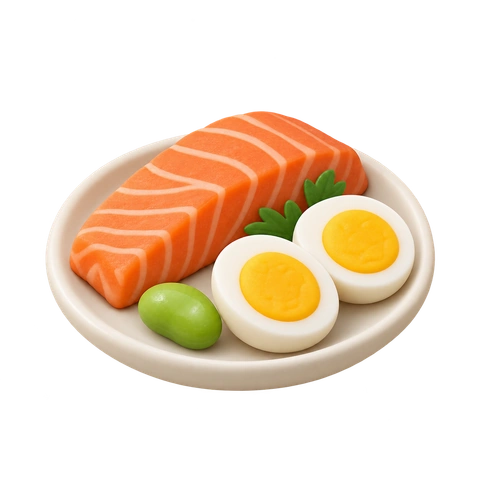 DairyLow-fat milk, plain yogurt, Greek yogurt, cottage cheese, cheddar, mozzarellagreek yogurtcottage cheese
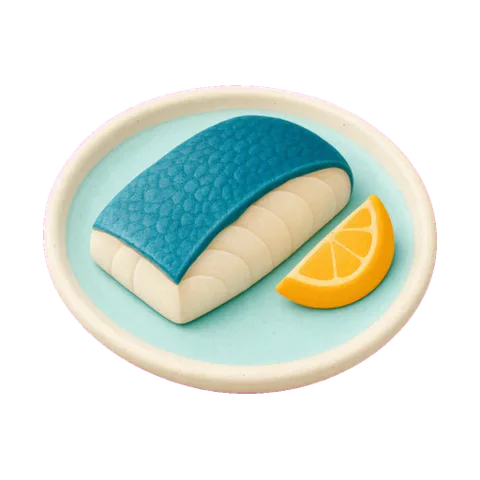 Canned fish with bonesCanned salmon and sardines with bones, plus trout and fresh salmonsalmon
- Soy foodsCalcium-fortified soy milk, tofu set with calcium sulfate, edamame
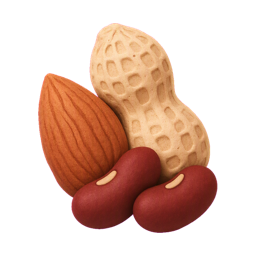
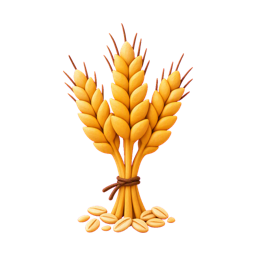


Now and then
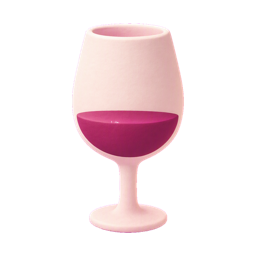
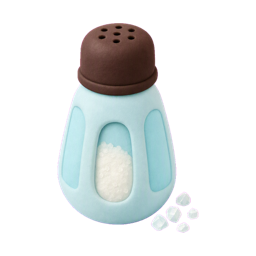



Check the label on soy milk and tofu. Only some brands add calcium.
This week is a sample. Alma builds yours
Meals fit to your goal and the foods you like, each with an Alma Score from 0 to 100.
What else do people ask?
How much calcium do I need with osteopenia?
NIH sets 1,200 mg a day for women over 50 and for everyone over 70, and 1,000 mg for most other adults. This week gives about 1,300 to 1,600 mg a day from food. Your clinician may set a different target for you.
Should I take a calcium supplement?
Ask your clinician first. Cleveland Clinic says your provider will tell you if you need calcium or vitamin D supplements and which dose. NIH says calcium is absorbed best in doses of 500 mg or less, and the upper limit after 50 is 2,000 mg a day from food and supplements combined.
Do I need vitamin D for osteopenia?
Yes. Vitamin D helps your body absorb calcium. NIH sets 600 IU a day up to age 70 and 800 IU after. Few foods have much: fortified milk and soy milk, fatty fish like salmon and trout, and egg yolks are the main ones.
Do alcohol, salt and coffee affect bone density?
They can. Cleveland Clinic lists more than two drinks a day as a risk factor for osteopenia. The Bone Health and Osteoporosis Foundation says salty food makes your body lose calcium and suggests coffee, tea and soda in moderation.
How many calories is this meal plan?
About 1,830 to 2,020 calories a day, with 99 to 126 grams of protein. Scale portions to your size and activity. The calorie calculator gives you a starting number.
How does Alma help with an osteopenia diet?
Log a meal by photo, voice or text in about 10 seconds, and Alma scores it from 0 to 100 using Harvard's Alternate Healthy Eating Index, which rewards vegetables, fruit, beans and whole grains.
Alma can build a plan around your goal and the foods you like.
Sources
Written by Alma from the sources below. Sources checked November 29, 2026. Calories and protein are estimates. This is general information, not medical advice. If you manage a health condition or take medication, check changes with your clinician. Editorial standards
Get a week built around you
Log a meal by photo, voice or text in about 10 seconds.