Vitamin D meal plan, fish, mushrooms, milk.
Very few foods have vitamin D, NIH ODS says.


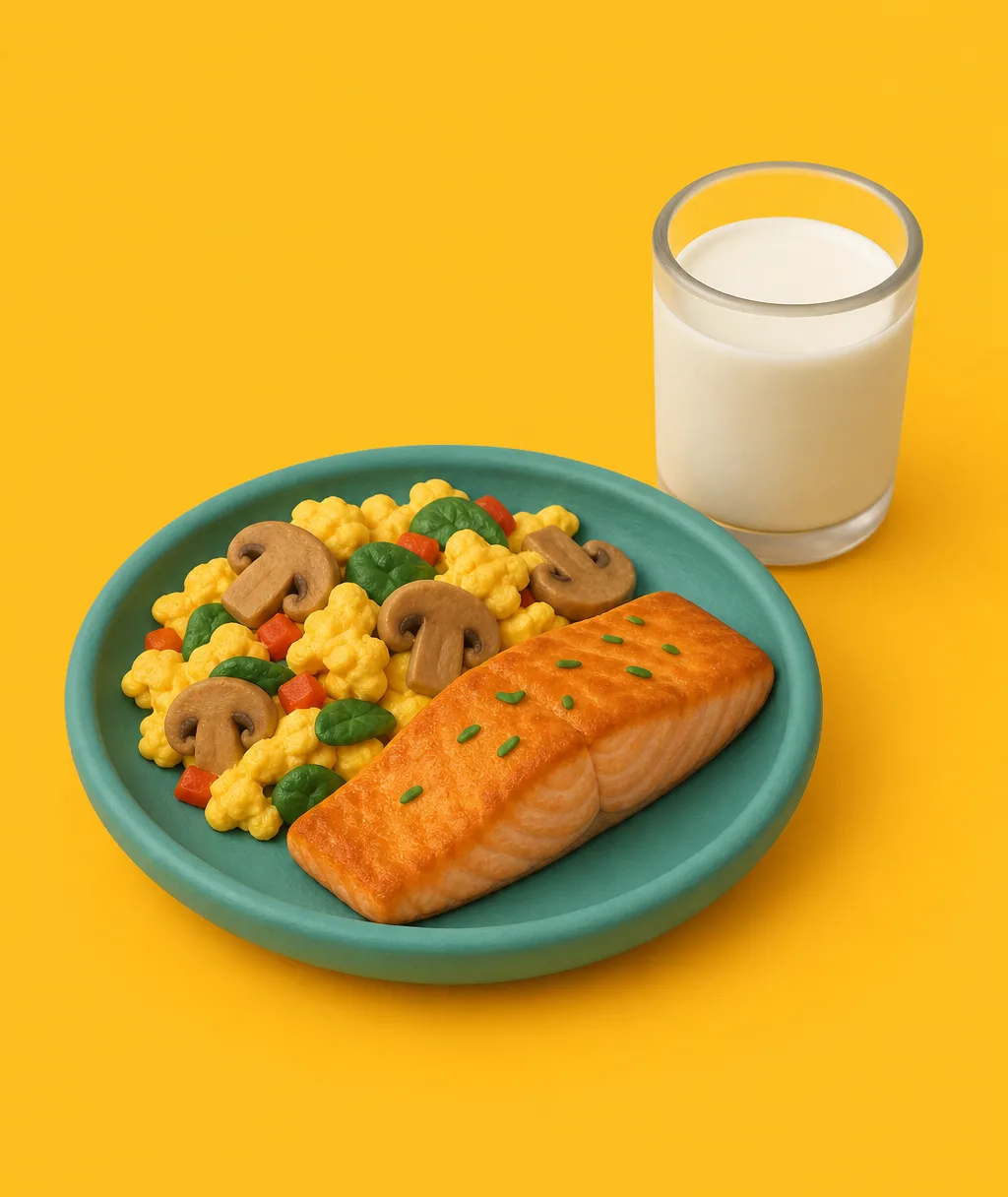
What foods are high in vitamin D?
NIH ODS lists fatty fish first: 3 ounces of cooked rainbow trout has 16.2 mcg and sockeye salmon 14.2 mcg. UV-exposed mushrooms have 9.2 mcg per half cup. Fortified milk has about 2.9 mcg a cup and an egg about 1.1 mcg. Few foods have it naturally.
Sources checked October 28, 2026. SourcesThree foods carry the vitamin D
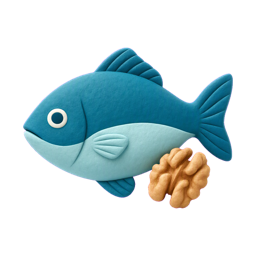
Salmon or trout most dinners
Fatty fish is the richest food source. This week has it five times.
Pick UV-exposed mushrooms
Look for UV light on the label. Other mushrooms have only a little.
Fortified milk every day
Milk, or a fortified soy milk, plus eggs and fortified cereal.
Seven days of vitamin D rich meals
About 1,740 to 1,820 calories and 15 to 36 mcg of vitamin D a day, using NIH ODS values. Scale portions to your needs. Find your number
Monday
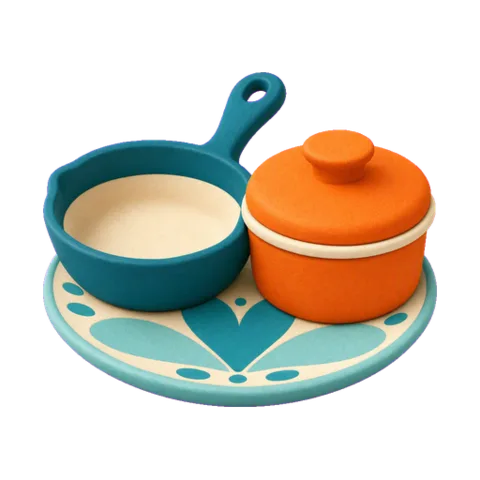 BreakfastMushroom and egg scramble with milk2 eggs scrambled with ½ cup UV-exposed white mushrooms (raw measure) in 1 tsp olive oil, 2 slices whole grain toast, 1 cup 2% milk
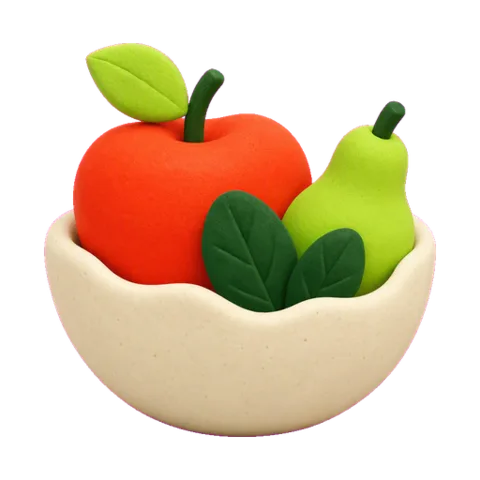 LunchChicken and white bean kale salad4 oz chicken breast, ½ cup white beans, 2 cups chopped kale, 1 tbsp olive oil, lemon, 2 tbsp parmesan, 1 small whole wheat pita
 SnackPear and cheddar1 pear, 1½ oz cheddar
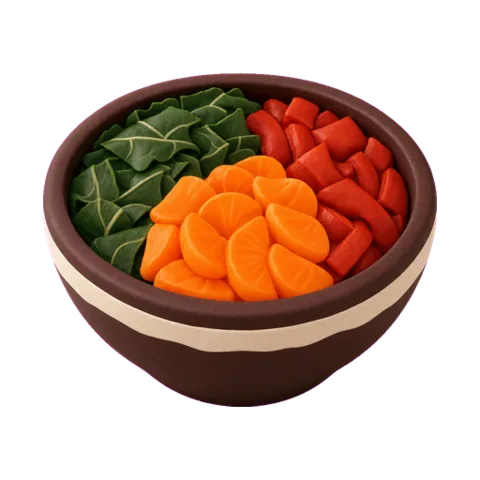 DinnerSockeye salmon with rice and green beans4 oz sockeye salmon, ¾ cup cooked brown rice, 1½ cups green beans, 2 tsp olive oil
About 1,750 kcal130 g protein28 g fiber
Tuesday
- BreakfastFortified cereal with milk and strawberries1 serving whole grain cereal fortified with vitamin D (10% DV), 1 cup 2% milk, 1 cup strawberries, 2 tbsp chopped walnuts
- LunchTuna salad sandwich with carrots3 oz canned light tuna with 1 tbsp mayo and celery, 2 slices whole wheat bread, lettuce, tomato, 1 cup baby carrots
- SnackSoy milk mango banana smoothie1 cup fortified soy milk, 1 cup frozen mango, 1 small banana, 2 tbsp peanut butter
- DinnerRainbow trout with quinoa and broccoli4 oz farmed rainbow trout, 1 cup cooked quinoa, 1½ cups broccoli, 2 tsp olive oil
About 1,820 kcal102 g protein39 g fiber
Wednesday
- BreakfastMushroom and cheddar omelet with an orange2 eggs, ½ cup UV-exposed white mushrooms (raw measure), 1 oz cheddar, 1 tsp olive oil, 1 slice whole grain toast, 1 orange
- LunchChicken burrito bowl4 oz chicken breast, ½ cup black beans, ½ cup cooked brown rice, salsa, ½ avocado, romaine
- SnackMilk, banana and almond butter1 cup 2% milk, 1 banana, 1 tbsp almond butter
- DinnerLentil and mushroom bolognese1 cup cooked whole wheat penne, ½ cup cooked lentils, ¾ cup marinara, ½ cup UV-exposed mushrooms, 2 tbsp parmesan, salad with 1 tsp olive oil
About 1,760 kcal111 g protein45 g fiber
Thursday
- BreakfastOatmeal cooked in milk with blueberries½ cup dry rolled oats cooked in 1 cup 2% milk, ¾ cup blueberries, 1 tbsp chia seeds
- LunchEgg salad on rye with an apple2 hard-boiled eggs mashed with 2 tbsp plain Greek yogurt, 2 slices rye bread, spinach, 1 apple
- SnackCottage cheese, tomatoes and crackers1 cup 2% cottage cheese, 1 cup cherry tomatoes, 8 whole grain crackers
- DinnerSockeye salmon tacos4 oz sockeye salmon, 3 corn tortillas, cabbage slaw with 2 tsp olive oil, ½ avocado, lime
About 1,750 kcal106 g protein38 g fiber
Friday
- BreakfastFortified cereal with soy milk and banana1 serving whole grain cereal fortified with vitamin D (10% DV), 1 cup fortified soy milk, 1 banana, 2 tbsp sliced almonds
- LunchChicken, barley and mushroom soup1½ cups soup (3 oz chicken, ½ cup cooked barley, ½ cup UV-exposed mushrooms, carrots, low-sodium broth, 1 tsp olive oil), 2 slices sourdough
- SnackGreek yogurt with kiwi and walnuts1 cup plain 2% Greek yogurt, 1 kiwi, 2 tbsp chopped walnuts
- DinnerSheet pan salmon with sweet potato and broccoli4 oz sockeye salmon, 1 medium sweet potato, 1½ cups broccoli, 1 tbsp olive oil
About 1,760 kcal115 g protein34 g fiber
Saturday
- BreakfastEgg and mushroom breakfast tacos2 corn tortillas, 2 scrambled eggs, ½ cup UV-exposed mushrooms, salsa, ¼ avocado, 1 tsp olive oil
- LunchTuna pesto pasta salad1½ cups cooked whole wheat rotini, 3 oz canned light tuna, 1 tbsp pesto, cherry tomatoes, spinach, 1 oz fresh mozzarella
- SnackMilk and peanut butter toast1 cup 2% milk, 1 slice whole grain toast with 2 tbsp peanut butter
- DinnerPork tenderloin with potatoes and green beans4 oz pork tenderloin, 1 cup roasted potatoes, 1½ cups green beans, 1 tbsp olive oil
About 1,740 kcal113 g protein33 g fiber
Sunday
- BreakfastSpinach and mushroom frittata2 eggs and 2 egg whites with ½ cup UV-exposed mushrooms, spinach, 1 oz feta, 1 tsp olive oil, 2 slices sourdough
- LunchLentil and sweet potato curry with rice½ cup cooked lentils, ½ cup sweet potato, 2 tbsp light coconut milk, spinach, 1 tsp olive oil, 1 cup cooked basmati rice
- SnackSoy latte with almonds1 cup fortified soy milk steamed with coffee, 1 oz almonds
- DinnerRainbow trout with farro and carrots4 oz farmed rainbow trout, ¾ cup cooked farro, 1 cup roasted carrots, 2 tsp olive oil
About 1,750 kcal96 g protein27 g fiber
If a blood test shows you are low, ask your clinician whether you need a supplement and how much. NIH ODS warns that too much vitamin D, almost always from supplements, can be harmful.
Built from NIH Office of Dietary Supplements advice.
What to buy
Most days
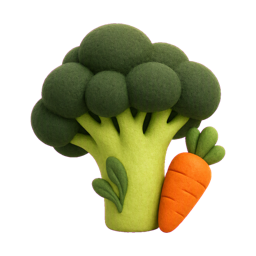
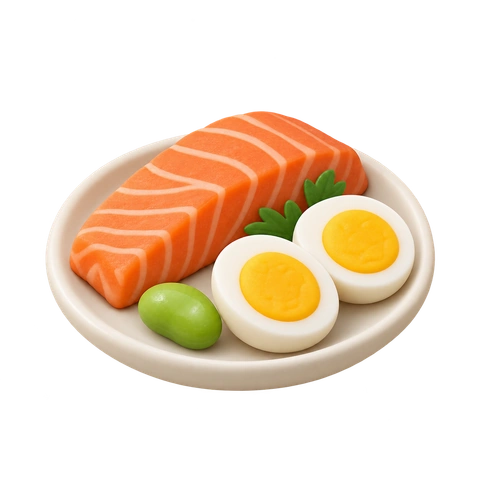 Eggs and dairyEggs, fortified 2% milk, cheddar, Greek yogurt, cottage cheeseegggreek yogurtcottage cheese


Now and then




Check labels. Not every milk, plant milk or cereal is fortified with vitamin D, and amounts vary by brand.
This week is a sample. Alma builds yours
Meals fit to your goal and the foods you like, each with an Alma Score from 0 to 100.
What else do people ask?
How much vitamin D do I need a day?
NIH ODS sets 15 mcg (600 IU) a day for ages 1 to 70 and 20 mcg (800 IU) for adults over 70. If you are deficient, your clinician may suggest more for a while. Ask them before you start a supplement.
Can I fix low vitamin D with food alone?
It is hard. NIH ODS says the average American gets about 4.8 mcg a day from food, well short of 15 mcg. This week reaches 15 to 36 mcg a day, but only because it plans for fish, UV-exposed mushrooms and fortified milk. NIH ODS notes your clinician may advise more than usual for a while to correct a deficiency.
Does sunlight count?
Yes. NIH ODS says your skin makes vitamin D in sunlight, but not through a window. Clouds, smog, older age and darker skin cut how much you make, and sunscreen limits it too. Food and your clinician's advice still matter.
Who is more likely to be low in vitamin D?
NIH ODS names older adults, people with darker skin, people who seldom get sun, and people with conditions that limit fat absorption, such as Crohn's or celiac disease. Vegans and people who avoid milk can also fall short. This week uses fortified soy milk on some days.
How many calories is this meal plan?
About 1,740 to 1,820 calories a day, with 96 to 130 grams of protein and 27 to 45 grams of fiber. Your needs depend on your size, age and activity, so scale portions up or down. The calorie calculator gives you a starting number.
Can Alma help me follow this plan?
Log a meal by photo, voice or text in about 10 seconds. Each meal gets an Alma Score from 0 to 100, drawing on Harvard's Alternate Healthy Eating Index, which rewards the fish, whole grains and vegetables this week is built on.
Alma also builds a plan around your goal and the foods you like.
Sources
Written by Alma from the sources below. Sources checked October 28, 2026. Calories and protein are estimates. This is general information, not medical advice. If you manage a health condition or take medication, check changes with your clinician. Editorial standards
Get a week built around you
Log a meal by photo, voice or text in about 10 seconds.