


Macrobiotic meal plan, grains, beans, greens.
A macrobiotic diet is mostly whole grains, vegetables, beans and soy foods, with a little fish and fruit.
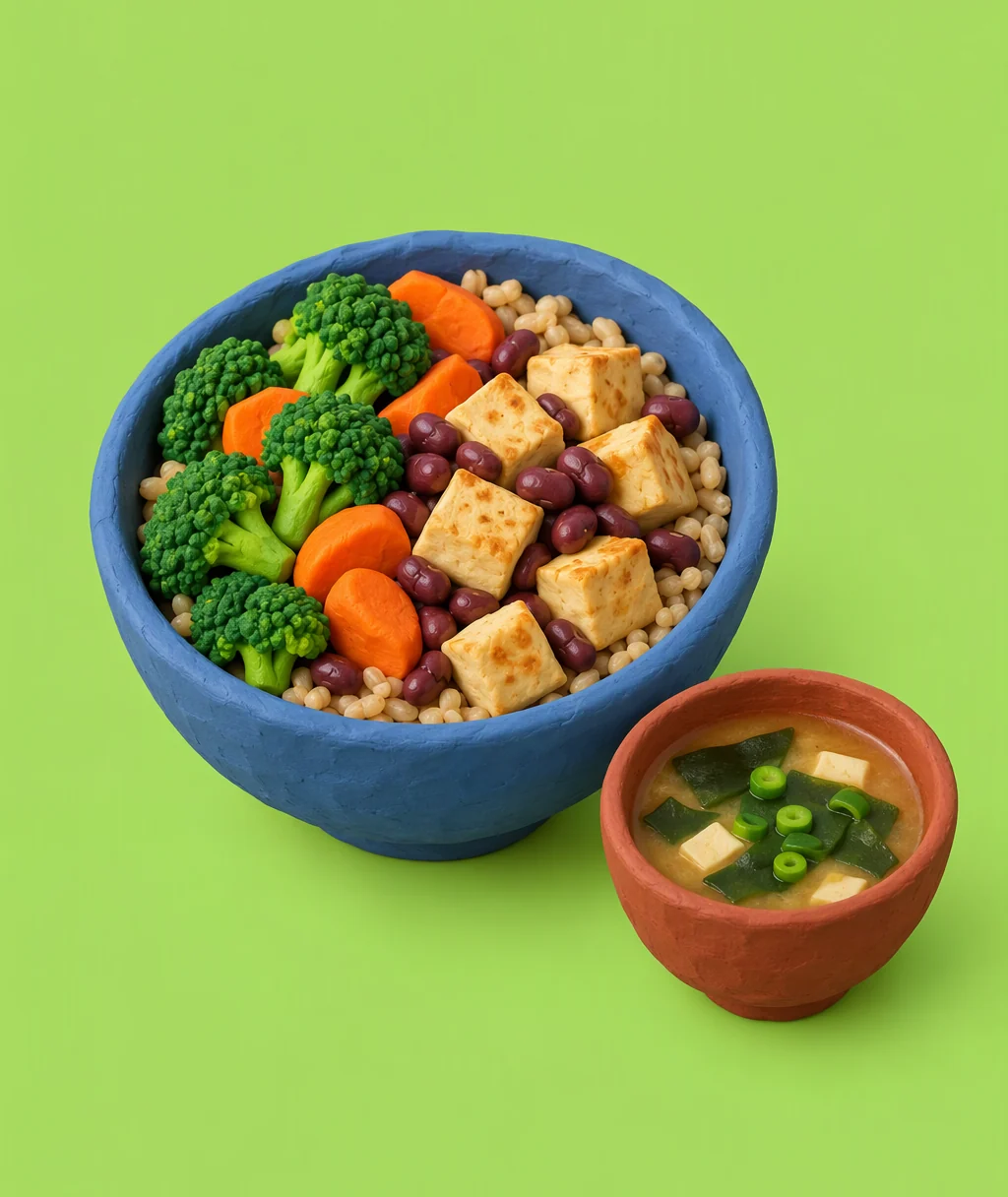

What do you eat on a macrobiotic diet?
Mostly whole grains like brown rice, barley and millet, plus vegetables, beans, lentils and soy foods such as tofu, tempeh and miso. Sea vegetables, fruit, nuts and seeds show up in small amounts. Fish is occasional, and meat, dairy, eggs and added sugar are rare.
Sources checked November 19, 2026. SourcesThe rules
Three habits do most of the work
Whole grains at the center
Brown rice, barley, millet and oats fill most of the plate.
Beans and soy daily
Tofu, tempeh, miso, lentils and beans bring protein and fiber.
Go light on salt and seaweed
Miso, tamari and seaweed are seasoning, not servings.
Sample week
Seven days of macrobiotic meals
About 1,830 to 1,950 calories a day, with 73 to 113 g of protein. Scale portions to your needs. Find your number
Built from Harvard and Dietary Guidelines advice.
Plant-only diets can fall short on vitamin B12, and people who avoid dairy need other calcium sources. People with cancer, children, people who are pregnant, anyone underweight or with a health condition should see a clinician or dietitian first.
Day 1Monday
 BreakfastMillet porridge with apple1 cup cooked millet, 1 cup fortified soy milk, 1 apple, 1 tbsp sesame seeds, 1 tbsp tahini, cinnamon
 LunchBrown rice with adzuki beans¾ cup cooked brown rice, ¾ cup cooked adzuki beans, 1 cup steamed kale, 1 cup steamed carrot, 2 tsp olive oil, 1 tsp tamari
 SnackRice cakes with almond butter2 brown rice cakes, 1½ tbsp almond butter, ½ banana
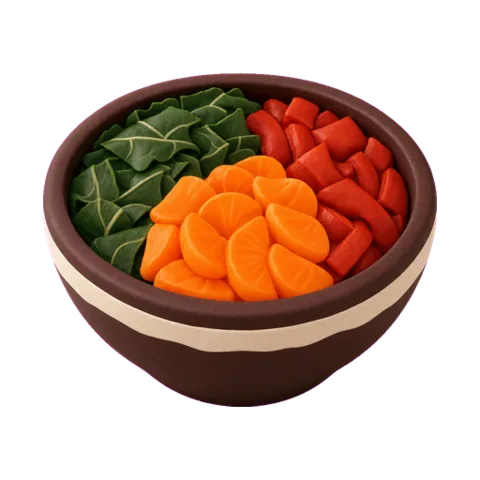 DinnerBaked salmon with barley and broccoli4 oz salmon, 1 cup cooked barley, 1½ cups steamed broccoli with 1 tsp olive oil and lemon
About 1,920 kcal80 g protein51 g fiber
See the other 6 days
Day 2Tuesday
- BreakfastOatmeal with pear and pumpkin seeds½ cup dry oats cooked with water, 1 cup fortified soy milk, 1 pear, 1 tbsp pumpkin seeds, 1 tbsp almond butter
- LunchTofu and vegetable stir-fry5 oz calcium-set tofu, 1 cup cooked brown rice, 2 cups cabbage, carrot and broccoli, 2 tsp olive oil, 1 tsp tamari, ginger
- SnackEdamame with lemon1½ cups shelled edamame, lemon, pinch of pepper
- DinnerTempeh with sweet potato4 oz tempeh, 1 medium sweet potato, 1½ cups collard greens with 1 tbsp olive oil
About 1,930 kcal113 g protein53 g fiber
Day 3Wednesday
- BreakfastMiso soup with tofu and rice2 cups miso soup made with 1 tbsp miso, 4 oz tofu, 1 cup cooked brown rice, 1 cup fortified soy milk, scallion
- LunchChickpea and squash stew with millet1 cup chickpeas, 1 cup butternut squash, ½ cup onion, ¾ cup cooked millet, 2 tsp olive oil
- SnackApple with walnuts1 apple, 1 oz walnuts
- DinnerSesame tofu with soba and bok choy5 oz baked tofu, 1 cup cooked soba, 2 cups bok choy, 1 tbsp sesame seeds, 2 tsp sesame oil
About 1,920 kcal97 g protein41 g fiber
Day 4Thursday
- BreakfastBrown rice porridge with sweet potato1 cup cooked brown rice simmered with 1 cup fortified soy milk, ½ cup mashed sweet potato, 1 tbsp sesame seeds, 1 tbsp almond butter
- LunchLentil soup with sourdough2 cups lentil soup made with 1 cup cooked lentils, carrot, celery and onion, 1 slice sourdough, 1 tsp olive oil
- SnackRice cakes with tahini2 brown rice cakes, 2 tbsp tahini, sliced cucumber
- DinnerBaked cod with quinoa5 oz cod, 1 cup cooked quinoa, roasted carrot, parsnip and onion with 2 tsp olive oil
About 1,840 kcal93 g protein47 g fiber
Day 5Friday
- BreakfastOvernight oats with berries½ cup oats, 1 cup fortified soy milk, 1 tbsp ground flax, 1 cup mixed berries, 1 banana
- LunchTofu and seaweed rice bowl5 oz baked tofu, 1 cup cooked brown rice, a strip of nori, cucumber, carrot, 2 tsp olive oil, 1 tsp rice vinegar
- SnackTrail mix with dried apricots1 oz almonds, ¼ cup dried apricots, 1 tbsp sunflower seeds
- DinnerLentils with millet and spinach1 cup cooked lentils, 1 cup cooked millet, 1½ cups cooked spinach with 2 tsp olive oil and garlic
About 1,890 kcal87 g protein52 g fiber
Day 6Saturday
- BreakfastBarley porridge with apple1 cup cooked barley, 1 cup fortified soy milk, 1 apple, 1 tbsp tahini, 1 tbsp pumpkin seeds
- LunchNoodle soup with tofu1½ cups cooked udon, 4 oz tofu, bok choy, ½ cup shiitake, 1 tbsp miso, 1 tsp sesame oil
- SnackHummus with vegetables⅓ cup hummus, carrot and cucumber sticks, 4 rice crackers
- DinnerTempeh with barley and Brussels4 oz tempeh, 1 cup cooked barley, 1½ cups roasted Brussels sprouts with 2 tsp olive oil
About 1,950 kcal92 g protein40 g fiber
Day 7Sunday
- BreakfastMillet and sweet potato hash1 cup cooked millet, ¾ cup diced sweet potato, 1 cup cooked kale, 2 tsp sesame oil, 1 cup fortified soy milk, 1 tbsp pumpkin seeds
- LunchAdzuki bean stew with rice¾ cup adzuki beans, ¾ cup cooked brown rice, ½ cup carrot, a piece of kombu, 2 tsp olive oil, scallion
- SnackPear with almond butter1 pear, 2 tbsp almond butter
- DinnerChickpeas with soba and greens1 cup chickpeas, 1 cup cooked soba, 1 cup collards and 1 cup bok choy, 2 tsp sesame oil, 1 tsp tamari
About 1,910 kcal73 g protein59 g fiber
Shopping list
What to buy
See the full shopping list (9 foods)
Most days
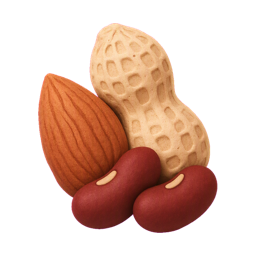
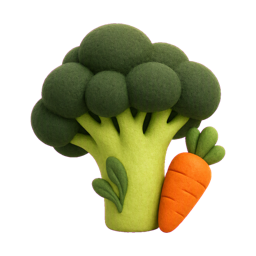

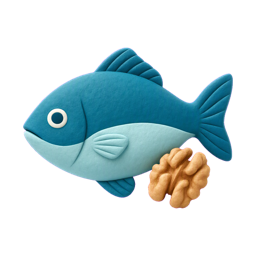
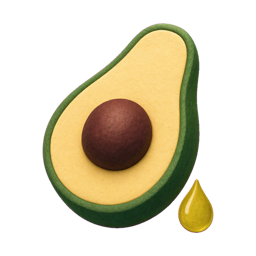


Now and then




Fortified soy milk carries calcium, and many brands add vitamin B12, so check the label.
Make it yours
This week is a sample. Alma builds yours.
- Meals fit to your goal and the foods you like
- Log a meal by photo, voice or text in about 10 seconds
- Every meal gets an Alma Score from 0 to 100


Questions
What else do people ask?
Is the macrobiotic diet healthy?
The plant-heavy, high fiber pattern lines up with the Harvard Healthy Eating Plate, which puts vegetables, fruit, whole grains and healthy protein at most meals. The strict version is where the risk sits. The NIH Office of Dietary Supplements notes that plant-only diets can fall short on vitamin B12, and that people who avoid dairy need other sources of calcium, such as fortified foods.
How many calories is this meal plan?
About 1,830 to 1,950 calories a day, with 73 to 113 grams of protein and 40 to 59 grams of fiber. Nuts, seeds, oils and grains carry the calories, so a smaller portion of each is an easy way to bring the day down. The calorie calculator gives you a starting number.
Do I need supplements on a macrobiotic diet?
Ask your clinician or dietitian. Vitamin B12 is the one to raise first, because it comes mostly from animal foods and fortified products. Check the label on fortified soy milk and breakfast cereals. This page does not give doses.
Is seaweed safe to eat every day?
Keep it to small pieces. The NIH Office of Dietary Supplements calls seaweed one of the best food sources of iodine, and the amount varies widely, from 16 to 2,984 mcg per gram. A strip of nori in a bowl or a piece of kombu in a pot of beans is plenty.
How does Alma help with a macrobiotic plan?
Alma builds a plan around your goal and the foods you like, including grains, beans and soy. You log a meal by photo, voice or text in about 10 seconds, and each meal gets an Alma Score from 0 to 100, drawing on Harvard's Alternate Healthy Eating Index. The fiber and protein calculators show where a plant-heavy day lands.
Sources
Written by Alma from the sources below. Sources checked November 19, 2026. Calories and protein are estimates. This is general information, not medical advice. If you manage a health condition or take medication, check changes with your clinician. Editorial standards
- Harvard T.H. Chan School of Public Health: Healthy Eating Plate
- NIH Office of Dietary Supplements: Vitamin B12 fact sheet
- NIH Office of Dietary Supplements: Calcium fact sheet for health professionals
- NIH Office of Dietary Supplements: Iodine fact sheet for health professionals
- Dietary Guidelines for Americans
- USDA FoodData Central, for calorie and protein estimates
Get a week built around you.
Tell Alma your goal and the foods you like. It plans the meals and scores each one.