Eating for stronger muscles, protein at every meal.
PROT-AGE advises adults over 65 to eat at least 1.0 to 1.2 g of protein per kg of body weight a day.


How much protein do older adults need for muscle?
PROT-AGE advises an average of at least 1.0 to 1.2 g of protein per kg of body weight a day for people over 65. It suggests at least 1.2 g per kg for people who exercise, and 1.2 to 1.5 g with acute or chronic illness.
Sources checked November 21, 2026. SourcesThree habits for muscle
Protein at every meal
Fish, eggs, dairy, chicken, beans or tofu at each of the four meals.
Pair food with strength work
Resistance exercise, when possible, alongside the protein.
Vitamin D foods
Salmon, trout, eggs and milk show up through the week.
Seven days of protein-rich meals
About 1,900 to 1,940 calories and 103 to 110 g of protein a day. Scale portions to your needs. Find your number
Monday
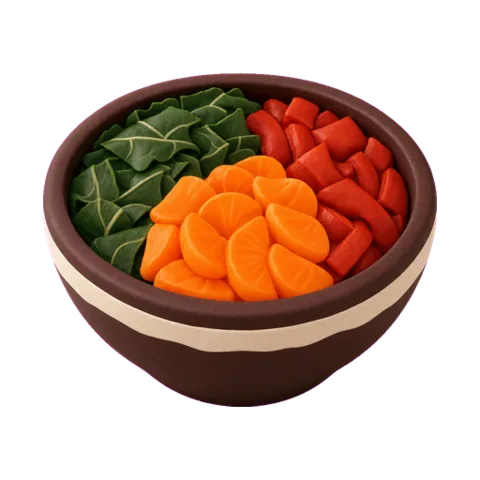
 BreakfastGreek yogurt bowl with oats and berries1 cup plain 2% Greek yogurt, ¼ cup oats, ½ cup blueberries, 1 oz walnuts
 LunchEgg salad sandwich with milk2 chopped hard-boiled eggs, 2 tsp olive oil, greens, tomato on 2 slices whole wheat bread, 1 cup 1% milk, 1 apple
 SnackCottage cheese with peach and crackers½ cup 2% cottage cheese, 1 peach, 6 whole grain crackers
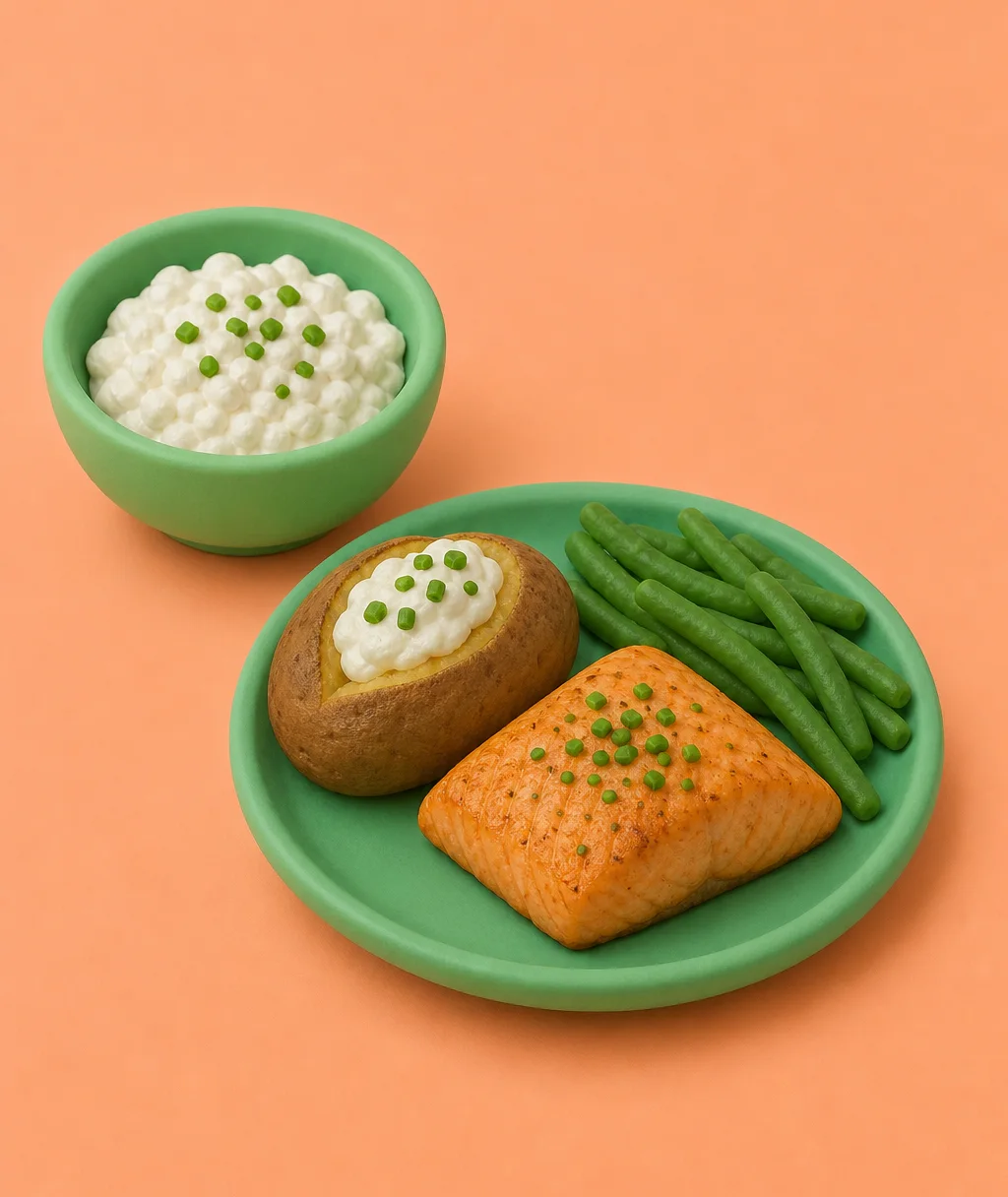
 DinnerBaked salmon, potato and green beans4 oz baked salmon, 1 baked potato with skin, 1 cup green beans, 1 tbsp olive oil
About 1,910 kcal109 g protein29 g fiber
Tuesday
- BreakfastEggs on toast with milk2 eggs scrambled, 2 slices whole wheat toast, 1 tsp olive oil, 1 cup 1% milk, 1 orange
- LunchLentil soup with cheese toast¾ cup cooked lentils with carrots and spinach, 2 tsp olive oil, 1 slice whole wheat toast with 1 oz cheddar
- SnackGreek yogurt with banana and walnuts¾ cup plain 2% Greek yogurt, 1 banana, ½ oz walnuts
- DinnerBaked trout with rice and broccoli4 oz baked trout, 1 cup brown rice, 1 cup broccoli, 1 tbsp olive oil
About 1,900 kcal110 g protein36 g fiber
Wednesday
- BreakfastOatmeal made with milk and peanut butter½ cup dry oats cooked in 1 cup 1% milk, 1 tbsp peanut butter, 2 tsp honey, ½ cup raspberries, 1 hard-boiled egg
- LunchTurkey and hummus wrap3 oz roast turkey breast, 2 tbsp hummus, ¼ avocado, greens, tomato in a whole wheat tortilla, 1 apple
- SnackMilk, almonds and a banana1 cup 1% milk, 1 oz almonds, 1 banana
- DinnerPork with sweet potato and Brussels sprouts3 oz pork tenderloin, 1 baked sweet potato, 1 cup Brussels sprouts, 1 tbsp olive oil, ¾ cup brown rice
About 1,940 kcal106 g protein41 g fiber
Thursday
- BreakfastCottage cheese and fruit toast½ cup 2% cottage cheese, 2 slices whole wheat toast, 1 cup strawberries, 1 tbsp peanut butter
- LunchSalmon and quinoa salad4 oz baked salmon, 1 cup quinoa, greens, cucumber, ¼ avocado, 2 tsp olive oil
- SnackGreek yogurt with kiwi and walnuts¾ cup plain 2% Greek yogurt, 2 kiwis, ½ oz walnuts
- DinnerWhole wheat pasta with chickpeas and zucchini1½ cups cooked whole wheat pasta, ½ cup chickpeas, 1 cup zucchini, ½ cup crushed tomato, 2 tsp olive oil, 1 tbsp parmesan
About 1,900 kcal106 g protein44 g fiber
Friday
- BreakfastSpinach omelet with toast2 eggs, spinach, 1 oz cheddar, 1 tsp olive oil, 2 slices whole wheat toast, 1 banana
- LunchLentil soup with cheese toast¾ cup cooked lentils with carrots and spinach, 2 tsp olive oil, 1 slice whole wheat toast with 1 oz cheddar
- SnackEdamame, almonds and an orange½ cup shelled edamame, 1 oz almonds, 1 orange
- DinnerPork with potato and peas3 oz pork tenderloin, 1 baked potato with skin, ½ cup peas, 1 tbsp olive oil, 1 slice whole wheat bread
About 1,920 kcal105 g protein45 g fiber
Saturday
- BreakfastGreek yogurt bowl with oats and berries¾ cup plain 2% Greek yogurt, ½ cup oats, ½ cup blueberries, 1 oz walnuts
- LunchTofu and vegetable rice bowl4 oz firm tofu, 1 cup brown rice, broccoli, carrots, 1 tbsp oil
- SnackCottage cheese with pear½ cup 2% cottage cheese, 1 pear, ½ oz walnuts
- DinnerChicken, potato and green beans3 oz chicken breast, 1 baked potato with skin, 1 cup green beans, 1 tbsp olive oil, 1 slice whole wheat bread
About 1,910 kcal107 g protein37 g fiber
Sunday
- BreakfastRicotta toast with strawberries½ cup part-skim ricotta, 2 slices whole wheat toast, 1 cup strawberries, 1 cup 1% milk
- LunchBean and rice bowl with cheese½ cup black beans, ½ cup corn, ¾ cup brown rice, ¼ avocado, tomato, 1 oz cheddar, 2 tsp olive oil
- SnackHard-boiled eggs and an apple2 hard-boiled eggs, 1 apple
- DinnerBaked trout with squash and quinoa4 oz baked trout, 1 cup roasted squash, 1 cup quinoa, 1 tsp olive oil
About 1,920 kcal103 g protein40 g fiber
If you have kidney disease, ask your doctor before eating more protein. PROT-AGE notes that people with severe kidney disease who are not on dialysis may need to limit protein.
Built from PROT-AGE, ESPEN and NIH ODS advice.
What to buy
Most days
 FishSalmon and troutsalmon
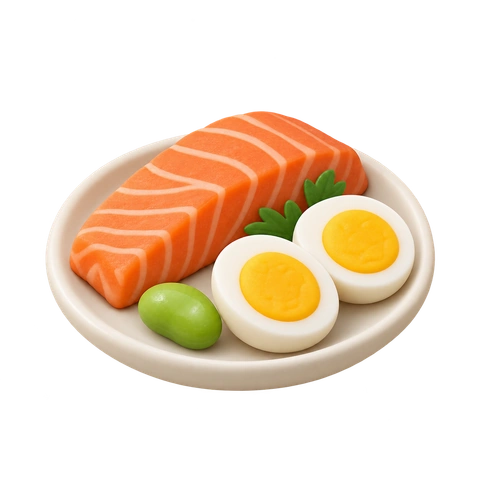 Eggs, chicken and porkEggs, chicken breast, roast turkey breast, pork tenderloineggchicken breast
 DairyFortified 1% milk, plain Greek yogurt, cottage cheese, ricottagreek yogurtcottage cheese


Now and then




Check the milk label for vitamin D. US milk is usually fortified with about 3 mcg (120 IU) per cup.

This week is a sample. Alma builds yours
Meals fit to your goal and the foods you like, each with an Alma Score from 0 to 100.
What else do people ask?
Does exercise matter as much as food?
ESPEN says regular aerobic and resistance exercise programs have been shown to counteract most aspects of sarcopenia, and that protein nutrition combined with exercise is considered optimal. Ask your clinician which exercise is safe for you.
Is high protein safe with kidney disease?
Ask your doctor first. PROT-AGE notes that older people with severe kidney disease (eGFR under 30) who are not on dialysis are an exception to its advice and may need to limit protein intake.
Which foods have vitamin D?
NIH lists fatty fish such as trout, salmon, tuna and mackerel among the best natural sources. Most US milk is fortified with about 3 mcg (120 IU) per cup, and egg yolks and cheese have small amounts. Ask your clinician whether you need a blood test.
Should protein be spread across meals?
PROT-AGE says the evidence on protein timing is not yet sufficient, and ESPEN says debate continues on a per-meal threshold. This week spreads protein across four meals, which is an easy pattern to follow.
How many calories is this meal plan?
About 1,900 to 1,940 calories a day, with 103 to 110 g of protein and 29 to 45 g of fiber. Fish shows up four times. Scale portions to your needs, and ask your doctor for your protein target.
How does Alma help with sarcopenia?
Log a meal by photo, voice or text in about 10 seconds, which is less work than writing it down.
Each meal gets an Alma Score from 0 to 100, drawing on Harvard's Alternate Healthy Eating Index. Alma builds a plan around your goal and the foods you like.
Sources
Written by Alma from the sources below. Sources checked November 21, 2026. Calories and protein are estimates. This is general information, not medical advice. If you manage a health condition or take medication, check changes with your clinician. Editorial standards

Get a week built around you
Log a meal by photo, voice or text in about 10 seconds.