


Foods that cause gas, and what to eat instead.
Gas is normal, and some foods bring more of it than others.

What foods cause gas?
NIDDK lists beans, peas and lentils, cruciferous vegetables, apples, peaches and pears, dairy, whole wheat, sweeteners ending in -ol and fizzy drinks. Eating or drinking too fast also adds swallowed air. Triggers vary from person to person.
Reviewed October 28, 2026. SourcesThe rules
Three habits ease the gas
Add fiber slowly
Raise fiber a little at a time, spread across the day.
Swap the usual triggers
Rice, quinoa, oats and sourdough stand in for the big gas makers.
Keep a short diary
Note meals and symptoms for a few weeks, then compare.
Sample week
Seven lower-gas days
About 1,900 to 2,100 calories a day, with 23 to 31 grams of fiber. Find your number
Built from NIDDK and Cleveland Clinic advice.
See a clinician if gas comes with pain, blood in your stool, fever or new symptoms after age 50. Those need a closer look, not another food swap.
Day 1Monday
 BreakfastOats with banana and chia½ cup dry oats cooked in 1 cup lactose-free milk, 1 banana, 1 tbsp chia seeds
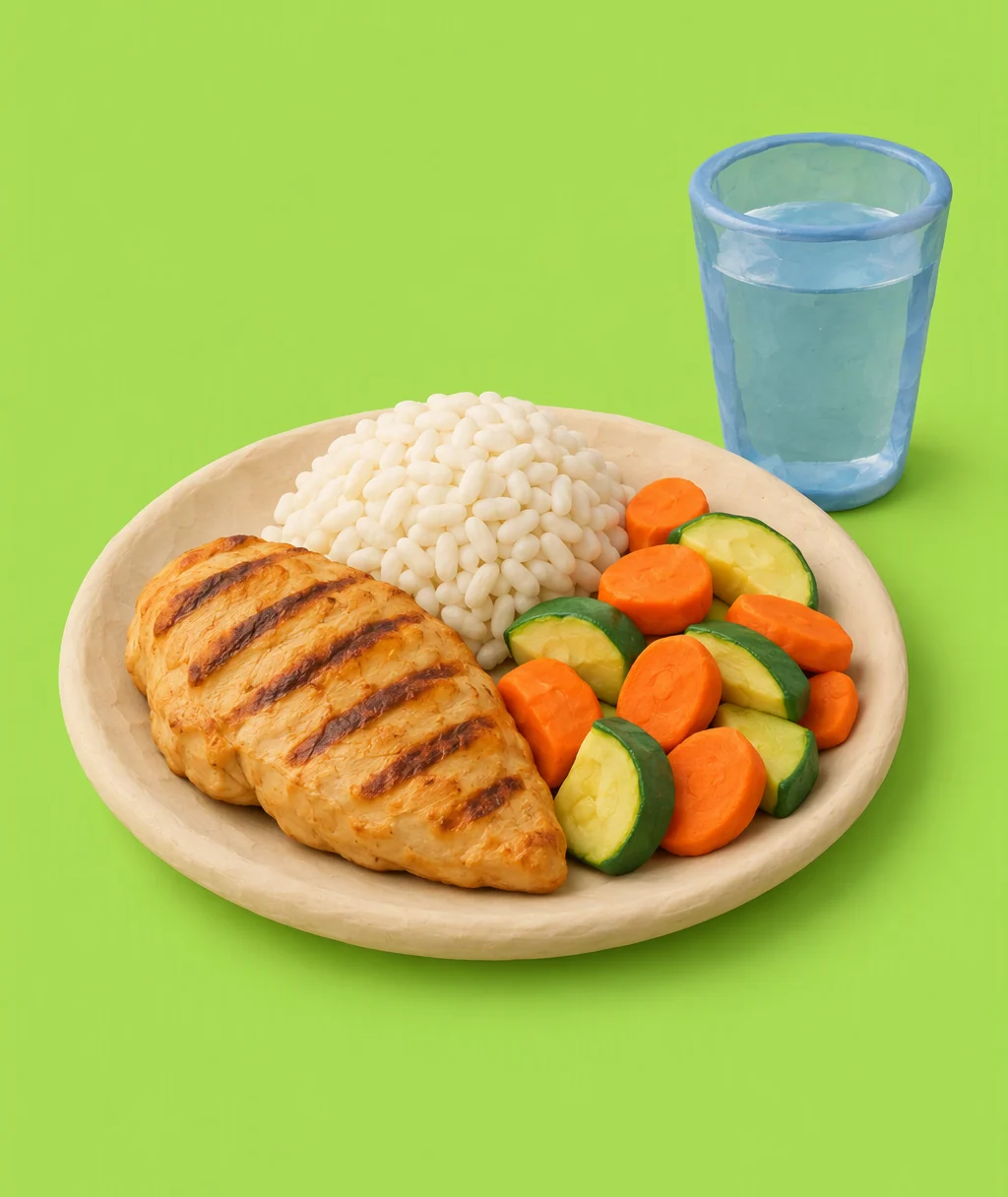
 LunchChicken with white rice and carrots5 oz grilled chicken, 1½ cups cooked white rice, 1 cup steamed carrots, 2 tsp olive oil
 SnackKiwi with walnuts2 kiwis, 1 oz walnuts
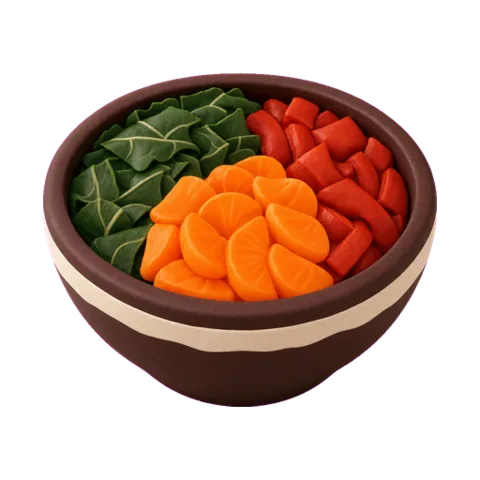 DinnerBaked cod with quinoa and zucchini6 oz cod, 1 cup cooked quinoa, 1½ cups sautéed zucchini, 1 tbsp olive oil, lemon
About 1,950 kcal123 g protein31 g fiber
See the other 6 days
Day 2Tuesday
- BreakfastEggs on sourdough with orange2 eggs, 1 tsp butter, 2 slices sourdough bread, 1 orange
- LunchTurkey rice bowl5 oz roast turkey, 1½ cups cooked white rice, 1 cup spinach, 1 tsp olive oil
- SnackYogurt with chia and kiwi1 cup lactose-free plain yogurt, 1 tbsp chia seeds, 1 kiwi
- DinnerSalmon with rice and green beans5 oz salmon, 1½ cups cooked white rice, 1½ cups green beans, 2 tsp olive oil
About 2,040 kcal135 g protein23 g fiber
Day 3Wednesday
- BreakfastPeanut butter banana toast2 slices sourdough bread, 2 tbsp peanut butter, 1 banana
- LunchTuna rice bowl with cucumber1 can tuna in water, 1½ cups cooked white rice, ½ cucumber, 1 tbsp mayonnaise, lemon
- SnackKiwi with pumpkin seeds2 kiwis, 1 oz pumpkin seeds
- DinnerRoast chicken with quinoa and carrots5 oz roast chicken, 1 cup cooked quinoa, 1 cup carrots, 1 tbsp olive oil, thyme
About 1,910 kcal113 g protein24 g fiber
Day 4Thursday
- BreakfastOatmeal with peanut butter and berries½ cup dry oats, 1 cup lactose-free milk, 1 tbsp peanut butter, 1 cup strawberries
- LunchChicken with rice and green beans5 oz chicken, 1¼ cups cooked white rice, 1½ cups green beans, 1 tbsp olive oil
- SnackYogurt with blueberries and walnuts1 cup lactose-free plain yogurt, 1 cup blueberries, ½ oz walnuts
- DinnerSalmon with rice and carrots5 oz salmon, 1 cup cooked white rice, 1 cup carrots, 1 tbsp olive oil, dill
About 2,090 kcal123 g protein25 g fiber
Day 5Friday
- BreakfastEggs with sourdough and kiwi2 eggs, 1 tsp butter, 2 slices sourdough bread, 2 kiwis
- LunchChicken rice bowl with carrots6 oz chicken, 1¼ cups cooked white rice, 1 cup carrots, 2 tsp olive oil
- SnackYogurt with chia and kiwi1 cup lactose-free plain yogurt, 1 tbsp chia seeds, 1 kiwi
- DinnerBaked cod with rice and carrots6 oz cod, 1 cup cooked white rice, 1 cup carrots, 1 tbsp olive oil, parsley
About 1,950 kcal141 g protein22 g fiber
Day 6Saturday
- BreakfastOmelet with sourdough and orange2 eggs, 1 tsp olive oil, 1 cup cooked spinach, 2 slices sourdough bread, 1 orange
- LunchChicken rice soup with sourdough2 cups soup (3 oz chicken, ¾ cup cooked rice, carrots), 2 slices sourdough bread
- SnackStrawberries with walnuts1 cup strawberries, 1 oz walnuts, ½ cup lactose-free yogurt
- DinnerTurkey meatloaf with quinoa5 oz turkey meatloaf (no onion or garlic), 1 cup cooked quinoa, 1½ cups zucchini, 1 tbsp olive oil
About 2,030 kcal134 g protein26 g fiber
Day 7Sunday
- BreakfastOatmeal with banana and walnuts½ cup dry oats, 1 cup lactose-free milk, 1 banana, ½ oz walnuts
- LunchRoast chicken with rice and carrots5 oz chicken, 1 cup cooked white rice, 1 cup carrots, 1 tbsp olive oil
- SnackYogurt with kiwi and pumpkin seeds1 cup lactose-free plain yogurt, 2 kiwis, ½ oz pumpkin seeds
- DinnerSalmon with quinoa and zucchini5 oz salmon, 1 cup cooked quinoa, 1½ cups zucchini, 1 tbsp olive oil, lemon
About 2,070 kcal128 g protein26 g fiber
Shopping list
What to buy
See the full shopping list (9 foods)
Most days

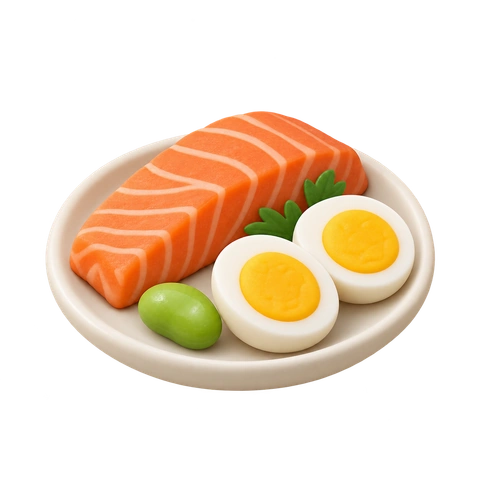 Chicken, turkey and fishChicken breast, turkey, cod and salmonchicken breastsalmon
- Eggs and lactose-free dairyEggs, lactose-free milk and lactose-free yogurtegggreek yogurt


Now and then




Regular milk and yogurt may be fine for you. Test a small serving.
Make it yours
This week is a sample. Alma builds yours.
- Meals fit to your goal and the foods you like
- Log a meal by photo, voice or text in about 10 seconds
- Every meal gets an Alma Score from 0 to 100


Questions
What else do people ask?
Is gas normal?
Yes. NIDDK says passing gas 8 to 14 times a day is average, and up to 25 is considered normal. The question is usually whether gas comes with pain, bloating or a change in your stools, not whether it happens.
Does a low FODMAP diet help with gas?
It can, as a short trial. Monash University, which developed the diet, sets out three steps: restrict, reintroduce, then personalise. The first step runs 2 to 6 weeks, and Monash advises working with a dietitian.
How do I find my own triggers?
Keep a food and symptom diary for a few weeks. Write what you ate, when, and how you felt a few hours later. NIDDK and Cleveland Clinic both suggest this, because triggers differ from person to person. Look for repeats rather than one-off days.
Should I cut out beans and vegetables?
Not by default. Beans and vegetables carry fiber, protein and minerals. Try smaller servings and add fiber slowly, as NIDDK advises, then see how you feel before you decide to drop them.
Is this a low FODMAP meal plan?
No. This is everyday eating with the loudest triggers kept modest and fiber added gradually. Monash describes the low FODMAP diet as a three-step plan for IBS, done with a dietitian. This week is not that diet.
How does Alma help with gas and bloating?
Log meals by photo, voice or text in about 10 seconds, and use the food and symptom diary to note how you felt. Each meal gets an Alma Score from 0 to 100, drawing on Harvard's Alternate Healthy Eating Index, and patterns show up in the log.
Sources
Written by Alma from the sources below and reviewed October 28, 2026. Calories and protein are estimates. This is general information, not medical advice. If you manage a health condition or take medication, check changes with your clinician. Editorial standards
- NIDDK: Gas in the digestive tract, symptoms and causes
- NIDDK: Eating, diet, and nutrition for gas in the digestive tract
- NIDDK: Eating, diet, and nutrition for irritable bowel syndrome
- Cleveland Clinic: Gas and gas pain
- Monash University: Starting the low FODMAP diet
- USDA FoodData Central, for calorie and fiber estimates

Get a week built around you.
Tell Alma your goal and the foods you like. It plans the meals and scores each one.