Dysphagia meal plan, soft and moist.
A dysphagia diet matches food texture to how safely you swallow.


What foods can you eat on a dysphagia diet?
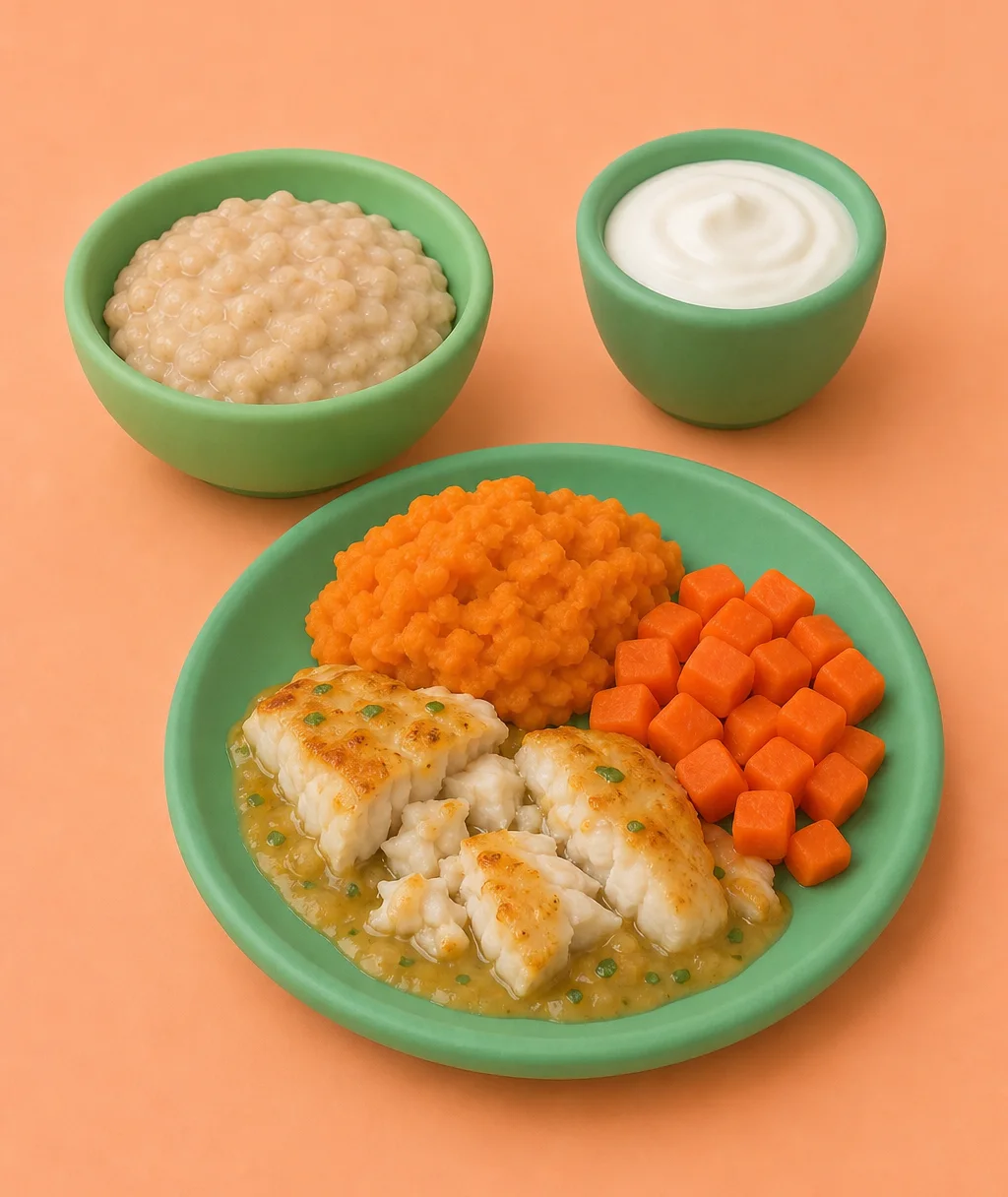
That depends on the texture level your speech-language pathologist sets. At IDDSI level 6, soft and bite-sized, you eat moist, tender food in pieces about 1.5 cm across: flaked fish, soft eggs, mashed sweet potato, soft carrots, smooth oatmeal, yogurt and ripe banana.
Sources checked November 20, 2026. SourcesThree habits keep meals easier
Keep pieces small and fork-soft
IDDSI level 6 pieces are about 1.5 cm for adults and squash under a fork.
Leave out high-risk textures
IDDSI flags hard, dry, crunchy, stringy, round and mixed thin-and-solid foods.
Follow your own drink thickness
Your speech-language pathologist sets it. Thicker drinks may lower aspiration risk.
Seven days of soft, bite-sized meals
About 1,780 to 1,890 calories a day, all soft and moist. Drinks follow your own prescription. Scale portions to your needs. Find your number
Built from IDDSI framework and Cleveland Clinic advice.
A speech-language pathologist should set your food texture and drink thickness. Follow your own prescription. This week matches IDDSI level 6, soft and bite-sized, and may not fit your level.
Day 1Monday
 BreakfastSmooth oatmeal with mashed banana½ cup dry oats cooked in 1 cup 1% milk until thick and smooth, ½ banana mashed in, 1 tbsp butter and ¼ cup smooth Greek yogurt stirred through
 LunchFlaked salmon with mashed sweet potato4 oz baked salmon flaked into a butter sauce, 1½ cups mashed sweet potato, ½ cup soft diced carrots, 2 tsp butter
 SnackGreek yogurt with applesauce1 cup smooth 2% Greek yogurt, ½ cup applesauce, 2 tsp honey
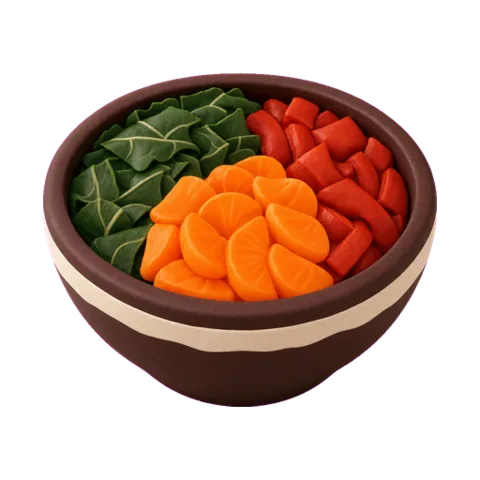 DinnerMinced chicken in gravy with mashed potatoes3 oz minced chicken in ¼ cup gravy (broth, 1 tbsp flour, 1 tsp butter), 1 cup potatoes mashed with ¼ cup milk and 2 tsp butter, ½ cup soft zucchini in 2 tsp oil
About 1,830 kcal107 g protein68 g fat
The other 6 days
Day 2Tuesday
- BreakfastSoft scrambled eggs with mashed avocado3 eggs scrambled soft with 2 tbsp milk and 1 tsp butter, 1 avocado mashed, ½ cup canned peaches, drained and diced small
- LunchMashed lentil dal with soft carrots1 cup lentils cooked until very soft and mashed, ½ cup soft diced carrots, 1 tbsp olive oil, cumin, ½ cup smooth Greek yogurt on top
- SnackCottage cheese with soft pears½ cup small-curd cottage cheese, ½ cup canned pears, drained and diced small, 2 tsp honey
- DinnerCod in lemon butter with soft polenta5 oz baked cod flaked into 1 tbsp lemon butter, 1½ cups soft polenta made with 2 tsp olive oil, 1 cup mashed cauliflower
About 1,780 kcal105 g protein84 g fat
Day 3Wednesday
- BreakfastGreek yogurt with banana and ricotta1 cup smooth 2% Greek yogurt, 1 ripe banana mashed, ¼ cup smooth ricotta, 2 tsp honey
- LunchTurkey shepherd's pie3 oz lean ground turkey in gravy (broth, 1 tbsp flour), ½ cup soft diced carrots, topped with 1½ cups mashed potatoes, ¼ cup milk, 1 tbsp butter
- SnackVanilla pudding¾ cup vanilla pudding made with milk
- DinnerTofu with butternut squash and polenta5 oz firm tofu cut into small cubes and simmered soft, 1 cup mashed butternut squash, 1½ cups soft polenta, 4 tsp olive oil
About 1,860 kcal99 g protein72 g fat
Day 4Thursday
- BreakfastPumpkin oatmeal½ cup dry oats cooked in 1 cup 1% milk until smooth, ½ cup canned pumpkin, 2 tsp maple syrup, 1 tbsp butter
- LunchTuna and avocado mash with soft potatoes3 oz canned tuna mashed with 1½ tbsp mayonnaise and ½ avocado, 1½ cups soft boiled potatoes, peeled and diced small
- SnackHummus with soft cooked carrots6 tbsp smooth hummus with 1 tsp olive oil, 1 cup carrots cooked soft and cut into small pieces
- DinnerChicken and squash stew5 oz chicken simmered until fork-tender and diced small, 1 cup butternut squash, 1½ cups potato, sauce thickened with 1 tbsp flour, 1 tbsp olive oil
About 1,890 kcal100 g protein76 g fat
Day 5Friday
- BreakfastSoft cheese omelet with sweet potato2 eggs cooked soft with ½ oz cheddar and 1 tsp butter, 1 cup sweet potato mashed with 2 tsp butter, ½ cup canned peaches, diced small
- LunchSoft macaroni with ricotta and zucchini1½ cups well-cooked macaroni, ½ cup ricotta, ½ cup peeled soft zucchini, 2 tsp olive oil, 1 tbsp parmesan
- SnackGreek yogurt with soft pears¾ cup smooth 2% Greek yogurt, ½ cup canned pears, drained and diced small, 2 tsp honey
- DinnerTilapia in tomato sauce with polenta5 oz baked tilapia flaked into ½ cup smooth tomato sauce, 1 cup soft polenta, 4 tsp olive oil
About 1,890 kcal109 g protein74 g fat
Day 6Saturday
- BreakfastOatmeal with stewed apples½ cup dry oats cooked in 1 cup 1% milk until smooth, ½ cup applesauce, 1 tbsp butter, 1 tsp maple syrup
- LunchEgg salad with avocado and soft potatoes2 hard-boiled eggs mashed fine with ½ tbsp mayonnaise and ½ avocado, 1½ cups soft potatoes, diced small, with 2 tsp olive oil
- SnackYogurt with pumpkin and maple¾ cup smooth 2% Greek yogurt, ½ cup canned pumpkin, 2 tsp maple syrup, cinnamon
- DinnerShredded chicken with mashed sweet potato4 oz chicken cooked moist, chopped fine, in ¼ cup gravy (broth, 1 tbsp flour, 1 tbsp butter), 1½ cups mashed sweet potato, ½ cup soft zucchini
About 1,820 kcal95 g protein72 g fat
Day 7Sunday
- BreakfastSoft scrambled eggs with ricotta2 eggs scrambled soft with ¼ cup ricotta and 2 tsp butter, ½ cup canned peaches, diced small, ½ cup applesauce
- LunchSalmon and potato mash with dill sauce4 oz baked salmon flaked into 1½ cups potatoes mashed with ¼ cup milk and 2 tsp butter, ½ cup soft zucchini, ¼ cup yogurt dill sauce
- SnackVanilla custard with mashed banana½ cup vanilla pudding made with milk, ½ ripe banana mashed
- DinnerTurkey and lentil stew3 oz ground turkey and ½ cup very soft mashed lentils in a thick sauce (broth, 1 tbsp flour), ½ cup soft carrots, 1½ cups mashed potatoes, 1 tbsp olive oil
About 1,850 kcal102 g protein74 g fat
What to buy
See the full shopping list (11 foods)
Most days
 Smooth dairyGreek yogurt, ricotta, small-curd cottage cheese, milk, puddinggreek yogurtcottage cheese


Now and then
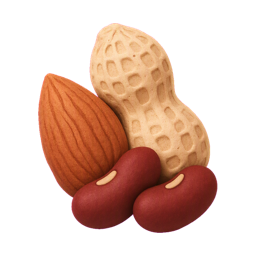
- Mixed texturesCereal in milk or soup with chunks, unless your plan allows it

Check each food with a fork. Under fork pressure it should squash and not return to its shape.
This week is a sample. Alma builds yours
Meals fit to your goal and the foods you like, each with an Alma Score from 0 to 100.
What else do people ask?
What are the IDDSI levels for dysphagia?
The IDDSI framework has 8 levels, numbered 0 to 7, running from thin drinks to regular foods. Level 6 is soft and bite-sized, with pieces about 1.5 by 1.5 cm for adults that squash under a fork. Your speech-language pathologist picks the level that fits you.
What foods should you avoid with dysphagia?
The IDDSI paper lists high-risk textures: hard or dry foods, chewy or sticky foods, crunchy or crumbly foods, fibrous or stringy foods, husks, round or long foods, and mixed textures such as thin liquid with solid pieces. Nuts, dry bread, raw salad and grapes fall into these groups.
Can you drink water with dysphagia?
It depends on your prescription. Some people need thickened drinks. The IDDSI paper notes thicker liquids can lower the risk of aspiration, and Cleveland Clinic lists thickening powder among the options a speech-language pathologist may suggest. Do not change drink thickness on your own.
How do you get enough protein on a dysphagia diet?
Build each meal around soft protein: flaked fish, soft eggs, smooth Greek yogurt, ricotta, tender chicken or soft lentils. This week runs 95 to 109 g of protein a day. Cleveland Clinic notes dysphagia can lead to malnutrition and dehydration, so keep meals regular.
How many calories is this meal plan?
The week runs about 1,780 to 1,890 calories a day, with 95 to 109 g of protein. The numbers come from USDA FoodData Central. Scale portions up or down to your needs, and add drinks to your own prescription.
How can Alma help with a dysphagia diet?
Log each meal by photo, voice or text in about 10 seconds, so you or a caregiver can see whether meals stay regular. Every meal gets an Alma Score from 0 to 100, which draws on Harvard's Alternate Healthy Eating Index. Alma builds a plan around your goal and the foods you like.
Sources
Written by Alma from the sources below. Sources checked November 20, 2026. Calories and protein are estimates. This is general information, not medical advice. If you manage a health condition or take medication, check changes with your clinician. Editorial standards
Get a week built around you
Log a meal by photo, voice or text in about 10 seconds.