Achalasia meal plan, soft, moist and slow.
Cleveland Clinic suggests small, well-chewed bites, plenty of water with meals and sitting upright to eat.


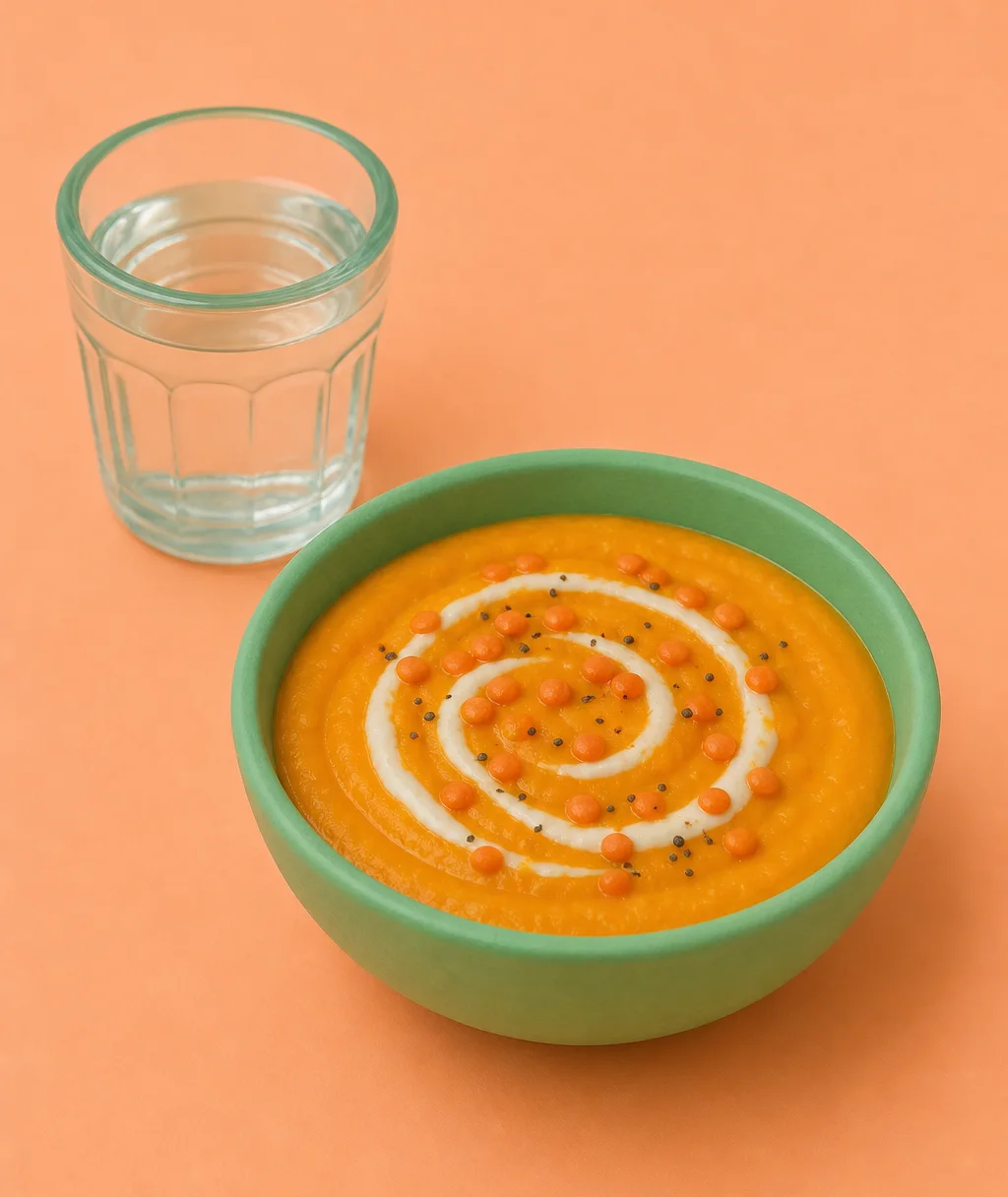
What foods are good for achalasia?
Johns Hopkins says no diet is proven to help achalasia symptoms, so plan textures with your doctor or a speech-language pathologist. This week uses soft, moist foods: oatmeal, cream of wheat, soups, smoothies, yogurt, soft eggs, flaked fish, hummus and well-cooked vegetables.
Sources checked November 22, 2026. SourcesThree habits at every meal
Small bites, chewed well
Cut food small, chew it well and take your time.
Water with every meal
Drink plenty of water while you eat, and stop solids well before bed.
Soft and moist textures
Soups, purees, smoothies, soft eggs and flaked fish.
Seven days of soft, moist meals
About 1,750 to 1,850 calories a day. Scale portions to your needs. Find your number
Monday
 BreakfastCream of wheat with banana1½ cups cream of wheat made with 1 cup 2% milk, 1 mashed ripe banana, 1 tbsp smooth peanut butter stirred in
 LunchButternut and red lentil soup1 cup cooked red lentils and 1 cup butternut squash blended with 1½ cups broth and 2 tsp olive oil, ½ cup Greek yogurt swirl
 SnackStrawberry banana yogurt smoothie¾ cup Greek yogurt, 1 cup strawberries, ½ banana, ½ cup 2% milk, blended smooth
 DinnerFlaked salmon with polenta and carrots5 oz salmon baked moist and flaked, 1 cup soft polenta, 1 cup carrots cooked very soft, 1 tsp olive oil
About 1,790 kcal108 g protein32 g fiber
Tuesday
- BreakfastSoft scrambled eggs with avocado3 eggs scrambled soft with ¼ cup 2% milk in 1 tsp olive oil, ½ mashed avocado, ½ cup applesauce
- LunchGround chicken and zucchini in broth4 oz ground chicken simmered in 1 cup broth with 1 cup soft zucchini, over 1¼ cups soft quinoa
- SnackCottage cheese with poached pear1 cup 2% cottage cheese, 1 peeled pear poached soft
- DinnerPoached cod with mashed squash5 oz cod poached in milk, 1 cup butternut mashed with 1 tsp butter, 1 cup soft polenta, 2 tsp olive oil
About 1,740 kcal126 g protein28 g fiber
Wednesday
- BreakfastOatmeal with mashed banana½ cup oats cooked soft in 1 cup 2% milk, 1 mashed ripe banana, 1 tbsp smooth peanut butter
- LunchPureed white bean and spinach soup1 cup white beans, ½ cup spinach, 1½ cups broth and 1 tbsp olive oil blended smooth, 2 tbsp parmesan, 1 cup soft polenta
- SnackKefir berry smoothie with oats1 cup kefir, ½ cup blueberries, ¼ cup oats, 1 tbsp smooth peanut butter, blended smooth
- DinnerBaked salmon with cauliflower mash4 oz salmon flaked into 1½ cups cauliflower mashed with 1 tsp butter and ¼ cup milk, ½ cup soft carrots, ½ cup soft polenta
About 1,840 kcal97 g protein36 g fiber
Thursday
- BreakfastCheesy grits with soft eggs1½ cups grits, ½ oz cheddar, 2 eggs scrambled soft in 1 tsp olive oil, ½ cup 2% milk
- LunchAvocado egg salad with quinoa2 chopped hard-boiled eggs mashed with ½ avocado and ¼ cup Greek yogurt, over 1 cup soft quinoa
- SnackYogurt with applesauce and cinnamon¾ cup Greek yogurt, ½ cup applesauce, 1 tbsp soaked chia seeds, 1½ tsp honey, cinnamon
- DinnerTurkey meatballs in broth with squash4 oz soft 93% lean turkey meatballs simmered in broth, 1 cup mashed butternut, 1 cup polenta, 1 tsp olive oil
About 1,760 kcal107 g protein25 g fiber
Friday
- BreakfastBanana chia pudding2 tbsp chia soaked overnight in 1 cup 2% milk, 1 mashed banana, 1 tbsp smooth peanut butter, 1½ tsp maple syrup
- LunchRed lentil dal with soft spinach1¼ cups red lentils cooked soft, ½ cup spinach, 2 tsp olive oil, ¼ cup Greek yogurt, 1 cup soft quinoa
- SnackCottage cheese and peach puree1 cup 2% cottage cheese, 1 peeled peach blended smooth
- DinnerPoached cod with creamed spinach5 oz cod, 1 cup spinach cooked with ¼ cup milk and 1 tsp butter, 1 cup soft polenta, 1 tsp olive oil
About 1,790 kcal121 g protein37 g fiber
Saturday
- BreakfastSoft ricotta omelet with zucchini2 eggs, ¼ cup ricotta, ½ cup soft zucchini, 1 tsp olive oil, ½ cup applesauce, 1 cup 2% milk
- LunchCreamy chicken and carrot soup4 oz ground chicken, 1 cup carrots, 1½ cups broth and ½ cup milk blended smooth, ½ cup soft quinoa, 1 tsp olive oil
- SnackAvocado banana smoothie½ avocado, 1 banana, 1 cup 2% milk, blended smooth
- DinnerSoft tofu with butternut puree4 oz tofu simmered soft, 1 cup butternut puree, 1 cup soft quinoa, 1 tsp olive oil
About 1,750 kcal106 g protein29 g fiber
Sunday
- BreakfastMaple oatmeal with blended berries½ cup oats cooked soft in 1 cup 2% milk, ½ cup blueberries blended, 1½ tsp maple syrup, 1 tbsp ground flax
- LunchSmooth hummus with polenta and zucchini½ cup smooth hummus, 1 cup soft polenta, 1 cup zucchini cooked very soft, 2 tsp olive oil
- SnackGreek yogurt with mashed banana¾ cup Greek yogurt, 1 mashed banana, 1 tbsp smooth peanut butter
- DinnerFlaked trout with cauliflower mash5 oz trout baked moist and flaked, 1 cup cauliflower and 1 cup carrots mashed with 2 tsp butter, 1 cup polenta
About 1,750 kcal90 g protein32 g fiber
No diet is proven to help achalasia, so plan textures with your doctor or a speech-language pathologist. If you have lost weight, ask about higher calorie foods. Call your provider if swallowing gets harder, or if you cough or choke while eating.
Built from Cleveland Clinic and Johns Hopkins advice.
What to buy
Most days
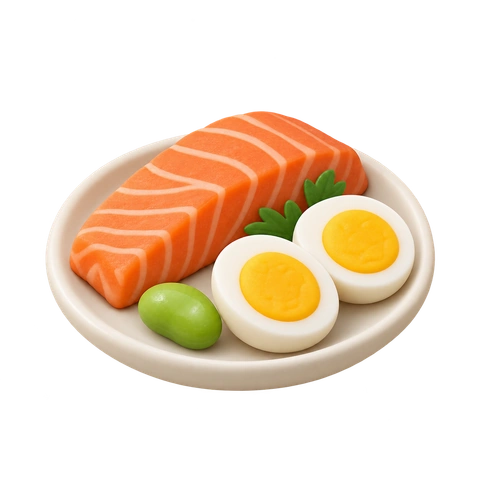 Soft proteinEggs, salmon, cod, trout, tofu, ground chicken and turkeyeggsalmon
 DairyMilk, Greek yogurt, cottage cheese, ricotta, kefir, cheddargreek yogurtcottage cheese


Now and then
- Dry or stringy meatFlaked fish or ground meat in broth instead

Some people also avoid citrus and caffeine. Build your own list with your doctor.
This week is a sample. Alma builds yours
Meals fit to your goal and the foods you like, each with an Alma Score from 0 to 100.
What else do people ask?
What foods should I avoid with achalasia?
Cleveland Clinic lists foods that may get stuck, such as raw vegetables, unpeeled apples and grapes, and stringy or dry meat. White bread, white rice, potatoes, chips and pasta may congeal, and spicy food, carbonated drinks and alcohol can irritate. Johns Hopkins adds that some people avoid citrus and caffeine.
How should I eat with achalasia?
Cleveland Clinic suggests cutting food into small bites, chewing well, drinking plenty of water while you eat and sitting up for meals. Skip solid food for 3 to 4 hours before bed, and use an extra pillow to raise your head.
How do I keep calories up with achalasia?
Johns Hopkins suggests high calorie foods if you have lost weight. In this week, smoothies with milk and peanut butter, olive oil in soups and purees, avocado and cottage cheese add calories without large portions. Ask your care team before you change your diet.
How many calories is this meal plan?
About 1,750 to 1,850 calories a day, with 90 to 126 grams of protein and 25 to 37 grams of fiber, from USDA values. Your needs depend on your size, age and activity, so scale portions up or down. The calorie calculator gives you a starting number.
How can Alma help with achalasia?
Log soups and smoothies in Alma by photo, voice or text in about 10 seconds, and see whether your calories and protein keep up. Each meal gets an Alma Score from 0 to 100, drawing on Harvard's Alternate Healthy Eating Index. Alma builds a plan around your goal and the foods you like.
Sources
Written by Alma from the sources below. Sources checked November 22, 2026. Calories and protein are estimates. This is general information, not medical advice. If you manage a health condition or take medication, check changes with your clinician. Editorial standards
Get a week built around you
Log a meal by photo, voice or text in about 10 seconds.