Food poisoning meal plan, one gentle day at a time.
With food poisoning, fluids come first, then normal food as your appetite returns.


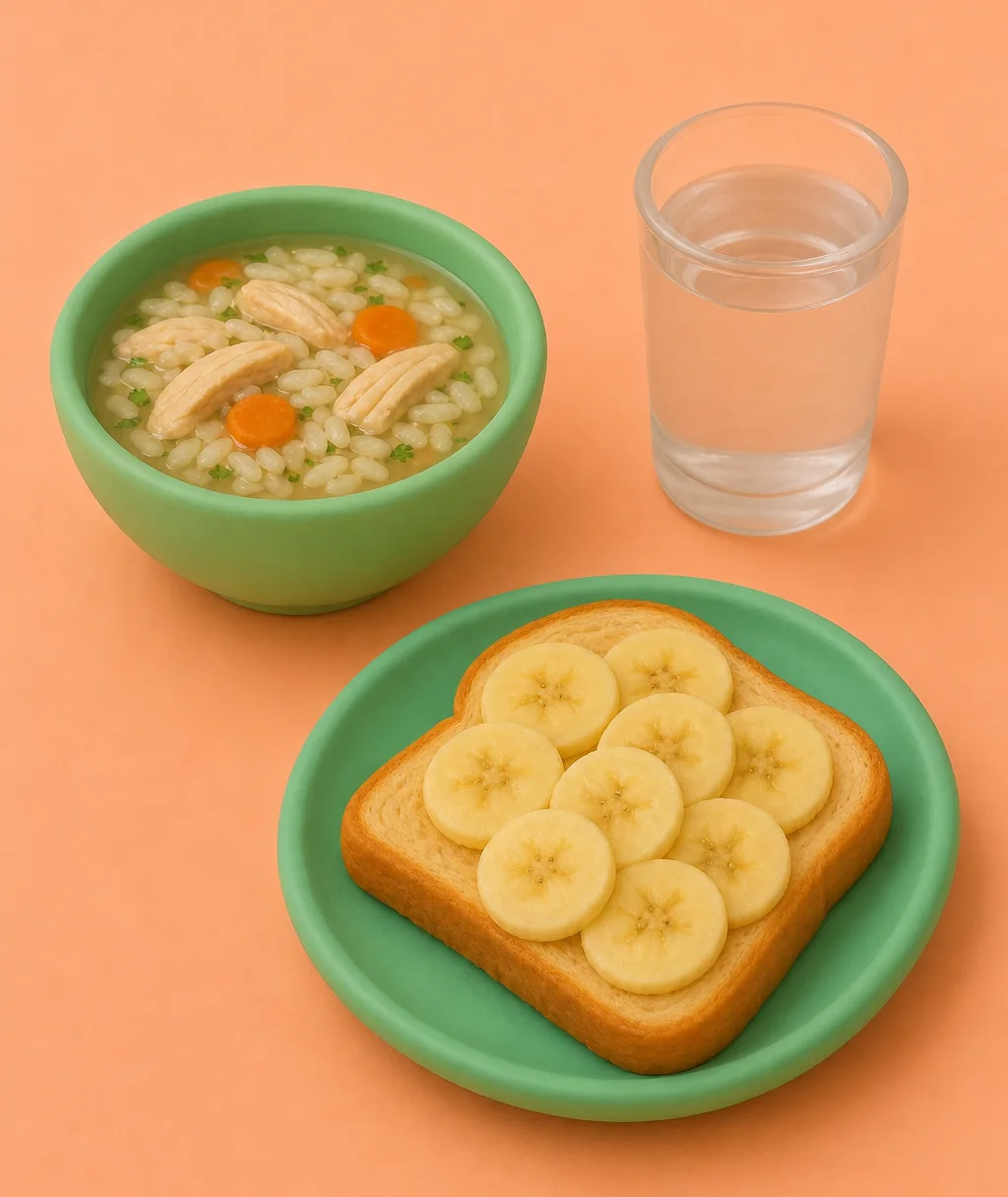

What should I eat when I have food poisoning?
Start with fluids: water, broth, diluted juice or sports drinks, per NIDDK. Saltines can help replace electrolytes. Once your appetite returns, NIDDK says to go back to a normal diet, even if you still have some diarrhea.
Sources checked November 20, 2026. SourcesThree habits while your gut settles
Replace fluids first
Sip water, broth or diluted juice often, in small amounts if you are vomiting.
Eat again when hungry
Return to normal meals when your appetite comes back, even with some diarrhea.
Go easy on a few foods
Caffeine, high-fat foods, lots of sugar and milk may make symptoms worse.
Seven days from broth to full meals
About 1,500 to 1,800 calories a day, low in fat early, with no milk or caffeine. Scale portions to your needs. Find your number
Built from NIDDK and CDC advice.
See a doctor for bloody diarrhea, diarrhea past 3 days, a fever over 102°F, vomiting so often you can't keep fluids down, dehydration, or pregnancy with fever and flu-like symptoms. Older adults or anyone with weak immunity need oral rehydration solution.
Day 1Monday
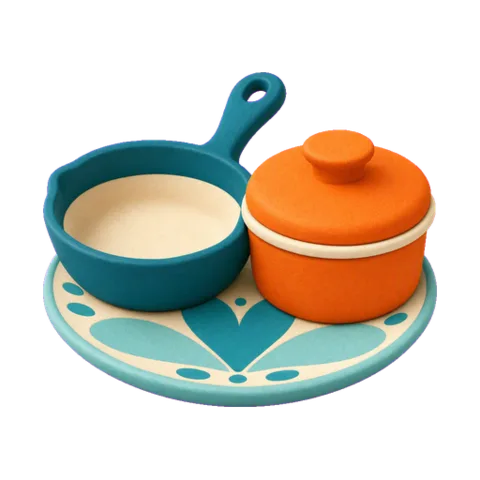 BreakfastPlain rice porridge with banana1½ cups white rice simmered soft in water, 1 sliced banana, 1 tsp maple syrup
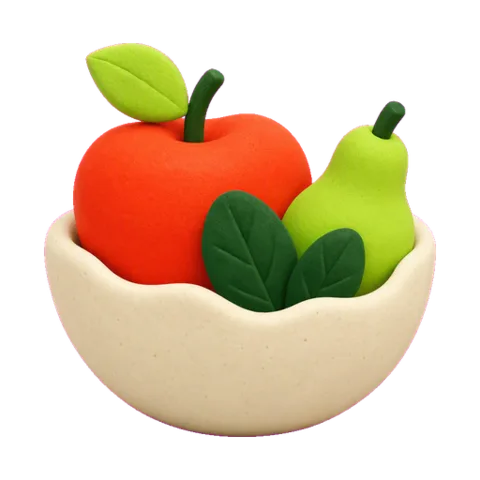 LunchChicken broth with rice and carrots2 cups low-sodium chicken broth, 3 oz shredded chicken breast, 1 cup white rice, ½ cup soft carrots
 SnackSaltines with applesauce10 saltine crackers, 1 cup unsweetened applesauce
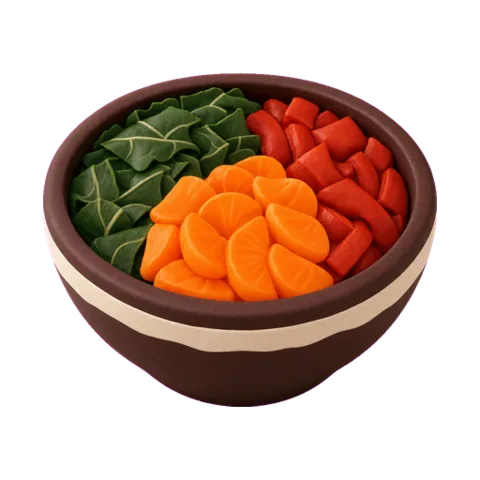 DinnerBaked potato with soft egg2 cups baked potato, 2 eggs scrambled in 1 tsp olive oil, 1 cup soft green beans
About 1,560 kcal65 g protein274 g carbs
The other 6 days
Day 2Tuesday
- BreakfastOatmeal with applesauce1½ cups oatmeal cooked in water, ½ cup unsweetened applesauce, 1 tsp maple syrup
- LunchRice with flaked cod and zucchini4 oz baked cod, 1½ cups white rice, 1 cup soft zucchini, 1 tsp olive oil
- SnackBanana and saltines1 banana, 10 saltine crackers
- DinnerEgg noodle soup with chicken2 cups low-sodium broth, 1½ cups egg noodles, 4 oz shredded chicken breast, 1 cup soft carrots
About 1,650 kcal98 g protein256 g carbs
Day 3Wednesday
- BreakfastScrambled eggs with toast and banana2 eggs scrambled in 1 tsp olive oil, 2 slices white toast, 1 banana
- LunchTurkey and rice bowl4 oz roasted turkey breast, 1½ cups white rice, 1 cup soft green beans, 1 tsp olive oil
- SnackCanned peaches with saltines1 cup canned peaches in juice, drained, 5 saltine crackers
- DinnerBaked tilapia with mashed sweet potato5 oz baked tilapia, 1 medium sweet potato, 1 cup soft-cooked spinach, 1 tsp olive oil
About 1,520 kcal109 g protein200 g carbs
Day 4Thursday
- BreakfastOatmeal with banana and boiled eggs1 cup oatmeal cooked in water, 1 sliced banana, 2 hard-boiled eggs
- LunchChicken, rice and carrot plate4 oz baked chicken breast, 1½ cups white rice, 1 cup soft carrots, 1 tsp olive oil
- SnackPear slices and crackers1 cup canned pears in juice, 5 saltine crackers
- DinnerSoft tofu with rice and bok choy½ cup firm tofu, 1 cup white rice, 1 cup cooked bok choy, 2 tsp reduced-sodium soy sauce, 1 tsp olive oil
About 1,660 kcal95 g protein231 g carbs
Day 5Friday
- BreakfastEggs with toast and applesauce2 eggs scrambled in 1 tsp olive oil, 2 slices whole wheat toast, ½ cup unsweetened applesauce
- LunchTurkey sandwich with carrots3 oz turkey breast on 2 slices whole wheat bread, ½ avocado, 1 cup cooked carrots
- SnackBanana and applesauce1 banana, ½ cup unsweetened applesauce
- DinnerSalmon with potatoes and green beans4 oz baked salmon, 1½ cups roasted potatoes, 1 cup green beans, 1 tsp olive oil
About 1,530 kcal91 g protein185 g carbs
Day 6Saturday
- BreakfastOatmeal with blueberries1½ cups oatmeal cooked in water, ½ cup blueberries
- LunchChicken and quinoa bowl4 oz grilled chicken breast, 1 cup quinoa, 1 cup roasted zucchini, ¼ avocado
- SnackApple and a boiled egg1 medium apple, 1 hard-boiled egg
- DinnerShrimp and rice with peas4 oz cooked shrimp, 1 cup brown rice, 1 cup peas, 2 tsp olive oil
About 1,530 kcal103 g protein203 g carbs
Day 7Sunday
- BreakfastEgg and spinach scramble with toast2 eggs and 1 cup spinach cooked in 1 tsp olive oil, 2 slices whole wheat toast
- LunchLentil and rice soup1 cup cooked lentils, 1 cup brown rice, 1½ cups low-sodium broth, ½ cup carrots, 1 tsp olive oil
- SnackKiwi and rice cakes2 kiwis, 3 plain rice cakes
- DinnerBaked chicken with sweet potato and broccoli4 oz baked chicken breast, 1 medium sweet potato, 1 cup broccoli, 1 tsp olive oil
About 1,530 kcal97 g protein213 g carbs
What to buy
See the full shopping list (10 foods)
Most days
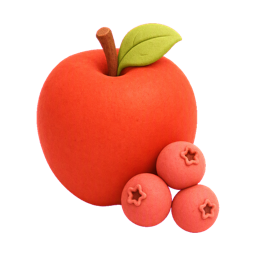
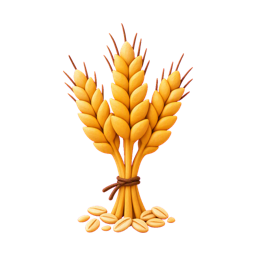
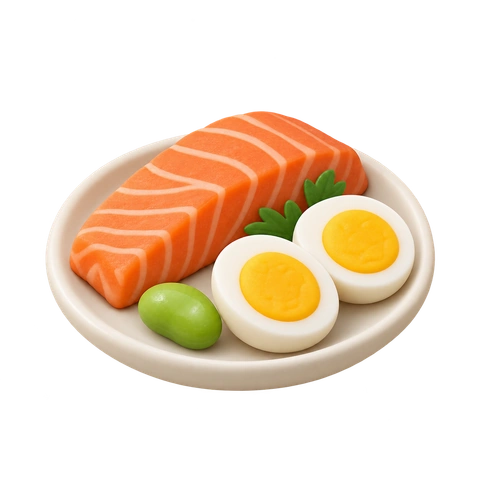 Lean proteinsChicken breast, eggs, white fish, tofuchicken breastegg
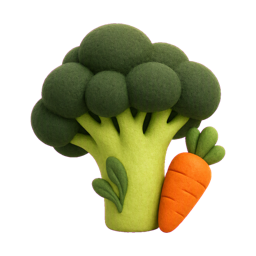


Now and then

 CaffeineCoffee, black tea, energy drinks and cola, which NIDDK says may worsen symptoms
- Milk and dairyMilk and other lactose foods, which may cause trouble for up to a month, per NIDDK

If you are vomiting, start with small sips of clear liquids and add food once you can keep fluids down.
This week is a sample. Alma builds yours
Meals fit to your goal and the foods you like, each with an Alma Score from 0 to 100.
What else do people ask?
What should I drink with food poisoning?
NIDDK lists water, diluted fruit juice, sports drinks and broth for adults. If you are vomiting, sip small amounts of clear liquids. Older adults, people with a weakened immune system and anyone with severe diarrhea or dehydration should use an oral rehydration solution, per NIDDK.
What foods should I avoid with food poisoning?
NIDDK says caffeine, high-fat foods, large amounts of simple sugars and milk products may make symptoms worse. Some people have trouble digesting lactose for up to a month or more after food poisoning, so this week leaves out milk.
Should I stop eating if I have food poisoning?
No. When your appetite returns, NIDDK says you can most often go back to your normal diet, even with diarrhea, and most experts do not recommend fasting or a restricted diet. Focus on fluids first.
How many calories is this meal plan?
About 1,500 to 1,800 calories a day. Monday and Tuesday are low in fat and built on broth, rice and soft foods, and the rest of the week builds to normal meals. If you are not hungry yet, keep up the fluids and eat what you can. Scale portions to your needs.
When should I see a doctor for food poisoning?
The CDC says to see a doctor for bloody diarrhea, diarrhea for more than 3 days, a fever over 102°F, vomiting so often you cannot keep liquids down, or signs of dehydration such as peeing very little, a dry mouth and throat, or dizziness when standing.
How can Alma help while I recover?
Log each meal and drink by photo, voice or text in about 10 seconds, and every meal gets an Alma Score from 0 to 100. A simple log makes it easier to see what sits well as you return to normal food, and Alma can build the plan around your goal and the foods you like.
Sources
Written by Alma from the sources below. Sources checked November 20, 2026. Calories and protein are estimates. This is general information, not medical advice. If you manage a health condition or take medication, check changes with your clinician. Editorial standards
Get a week built around you
Log a meal by photo, voice or text in about 10 seconds.