


Gut microbiome research, what 2021 to 2026 found.
Fermented foods, fiber, processed foods and probiotics, read from the original papers.Last reviewed Nov 18, 2026
- Studies
- 7
- People studied
- 21K
- Trials and reviews
- 6
- Last reviewed
- Nov 18, 2026
The short answer
Diet is linked with gut microbiome makeup, and food processing stood out in an analysis of 10,068 adults. In small trials, a fermented-food diet and a legume diet shifted gut markers. Whether those shifts change health is still being worked out.
What the studies cover
Evidence at a glance
Microbe diversity
Rose on a fermented-food diet in 36 adults; a high-fiber diet left it stable
Too early to sayStudy: Aug 2021
Food processing
Processing level predicted diversity and composition in 10,068 adults
Linked with benefitStudy: May 2026
LDL cholesterol
A legume diet lowered LDL more than a matched calorie-cut diet in 127 older adults, 16 weeks.
Too early to sayStudy: Jan 2025
HbA1c
No overall difference with fiber in 802 adults; a legume trial saw a slight drop
No clear effectIrritable bowel syndrome
Some probiotic strains looked useful across 82 trials; certainty was low to very low
Too early to sayStudy: Nov 2023
Emulsifiers
Eleven days of CMC lowered diversity in 7 adults, a very small study
Too early to sayStudy: Mar 2022
Strength comes from study design and how many studies back the row. Observational studies show links, not cause.
The basics
Overview
What is the gut microbiome?
The gut microbiome is the community of bacteria and other microbes in the digestive tract. Researchers track how diverse it is and which species dominate. Diet is one factor they study.
What does the research show?
In a 17-week trial of 36 adults, a fermented-food diet raised microbiota diversity while a high-fiber diet left it stable. An analysis of 10,068 adults found food processing predicted diversity and composition. In 127 older adults, a legume diet lowered LDL cholesterol more than control over 16 weeks.
More questions (2)
What are the drawbacks or open questions?
Many trials are small, such as the 16-adult emulsifier study. In 802 adults with prediabetes, fiber made no clear overall difference in HbA1c. Probiotic evidence for irritable bowel syndrome was low to very low certainty across 82 trials.
What does it mean for your plate?
The trials used everyday fermented foods such as yogurt, kefir, kimchi and sauerkraut, and legumes such as lentils and chickpeas. Ingredient lists show how processed a packaged food is.
2021 to 2026
The studies
Each one is dated and linked to the paper. Tap details for the people studied and the abstract line.
- Cell
The fermented-food diet steadily raised microbiota diversity and lowered inflammatory markers; the high-fiber diet left diversity stable. The primary outcome was unchanged.
Randomized trialLimitedShow detailsHide details
36 healthy adults, 18 per diet, 17 weeks
Alternatively, the high-fermented-food diet steadily increased microbiota diversity and decreased inflammatory markers.
On your plateYogurt, kefir, kimchi and sauerkraut are everyday fermented foods.
- Nature Medicine
Diet logs predicted gut microbe diversity, and the degree of food processing stood out as a predictor of diversity and composition.
Cross-sectional studyLimitedShow detailsHide details
10,068 adults with diet logs and stool tests, tracked over 4 years
In parallel, broader dietary patterns, especially the degree of food processing, emerged as predictors of microbial diversity and composition.
On your plateBeans, vegetables and whole grains are minimally processed foods; ingredient lists show how processed a packaged food is.
- Nature Communications
A legume-enriched, calorie-restricted diet lowered LDL cholesterol and slightly lowered HbA1c more than a calorie-restricted control diet, with more fiber-degrading gut species.
Randomized trialModerateShow detailsHide details
127 older adults with prediabetes in Singapore, 16 weeks
The IG had significantly greater reductions in LDL cholesterol (q(Treatment×Time) = 0.01, β = -0.16), total cholesterol (q(Treatment×Time) = 0.02, β = -0.3) and HbA1c (q(Treatment×Time) = 0.04, β = -0.004) compared with CG, alongside increases in fiber degrading species in IG, mediated through metabolites such as bile acids and amino acids.
On your plateLentils, chickpeas and black beans are everyday legumes that bring fiber to a meal.
Dots rate the study design and size, from early signal to very strong.
Everyday foods
On your plate
 Plain yogurtA fermented food of the kind used in the 17-week trial
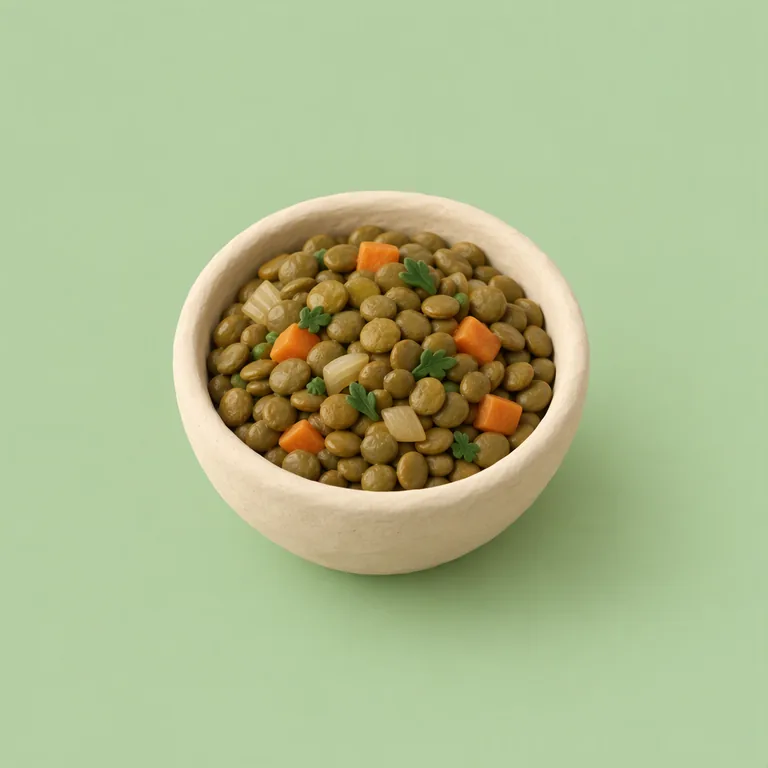 LentilsAn everyday legume; a legume diet lowered LDL in one 16-week trial
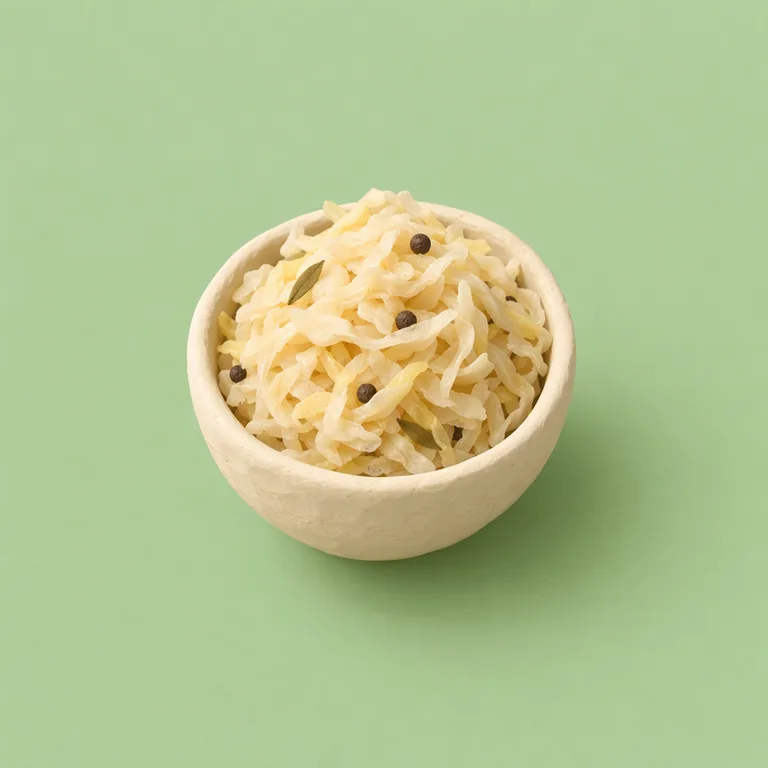 SauerkrautA fermented food of the kind used in the 17-week trial

Make it yours
Research is general. Alma builds yours.
- Meals fit to your goal and the foods you like
- Log a meal by photo, voice or text in about 10 seconds
- Every meal gets an Alma Score from 0 to 100


Questions
What else do people ask?
Do fermented foods change the gut microbiome?
In a 17-week trial of 36 adults, a high-fermented-food diet steadily raised microbiota diversity and lowered inflammatory markers. The trial was small, and its primary immune outcome did not change.
Do probiotics work for gut symptoms?
A 2023 meta-analysis of 82 trials in irritable bowel syndrome found some strains looked beneficial, yet certainty was low to very low for almost all of them. Strains and combinations differ, so results do not carry over.
Does processed food change the microbiome?
Evidence in people is early. A small feeding study of the emulsifier CMC lowered diversity in 7 adults over 11 days, and a 10,068-person study linked the degree of food processing with microbiome diversity.
Does more fiber raise microbiome diversity?
In the 17-week trial, a high-fiber diet raised fiber-digesting enzymes but left diversity stable. In an 802-person prediabetes trial, fiber showed no clear overall difference in HbA1c, and response varied by person.
People with inflammatory bowel disease, a weakened immune system, a central line or short bowel syndrome should check with a clinician before using probiotics or changing fiber.
Sources
Written by Alma from the papers below and last reviewed Nov 18, 2026. Each study was checked against its PubMed or journal record. This is general information, not medical advice. If you manage a health condition or take medication, check changes with your clinician. Editorial standards
- Gut-microbiota-targeted diets modulate human immune status Cell, Aug 2021. DOI PubMed 34256014
- Diet-microbiome associations in 10,068 individuals from the Human Phenotype Project to guide personalized nutrition Nature Medicine, May 2026. DOI PubMed 41872600
- A legume-enriched diet improves metabolic health in prediabetes mediated through gut microbiome: a randomized controlled trial Nature Communications, Jan 2025. DOI PubMed 39843443
- Gut microbiome predicts personalized responses to dietary fiber in prediabetes: a randomized, open-label trial Nature Communications, Dec 2025. DOI PubMed 41390484
- Effect of synbiotic supplementation on immune parameters and gut microbiota in healthy adults: a double-blind randomized controlled trial Gut Microbes, Dec 2023. DOI PubMed 37614109
- Efficacy of Probiotics in Irritable Bowel Syndrome: Systematic Review and Meta-analysis Gastroenterology, Nov 2023. DOI PubMed 37541528
- Randomized Controlled-Feeding Study of Dietary Emulsifier Carboxymethylcellulose Reveals Detrimental Impacts on the Gut Microbiota and Metabolome Gastroenterology, Mar 2022. DOI PubMed 34774538

Get a week built around you.
Tell Alma your goal and the foods you like. It plans the meals and scores each one.