


Protein research, what 2024 to 2026 found.
Recent trials and reviews on how much protein supports muscle, and how to spread it across meals.Last reviewed Nov 18, 2026
- Studies
- 6
- People studied
- 51K
- Trials and reviews
- 5
- Last reviewed
- Nov 18, 2026
The short answer
In one 24-hour study of 30 adults, 1.5 g/kg a day gave a better whole-body protein balance than 0.8 or 1.1 g/kg. Longer trials of extra protein, whey and meal timing found no clear muscle gains. Higher midlife plant protein was linked with healthy aging in nurses.
What the studies cover
Evidence at a glance
Whole-body protein balance
1.5 g/kg a day beat 0.8 and 1.1 g/kg in 30 adults over 24 hours
Too early to sayStudy: May 2025
Muscle protein synthesis
50 g of whey or pea raised it in 31 older men; it did not differ by intake in 30 adults
Too early to sayMuscle function and body makeup
An extra 20 g a day for 12 weeks made no clear difference in 171 adults
No clear effectStudy: May 2024
Whey supplements
No clear gain in handgrip or lean mass in older adults across 30 trials
No clear effectStudy: Oct 2024
Meal timing
No clear gap between an even spread and mostly dinner in 43 women aged 20 to 44
No clear effectStudy: Apr 2024
Healthy aging
Higher midlife plant protein linked with higher odds of healthy aging in 48,762 women
Linked with benefitStudy: Feb 2024
Strength comes from study design and how many studies back the row. Observational studies show links, not cause.
The basics
Overview
What is dietary protein for muscle?
Protein supplies amino acids the body uses to build and repair muscle. The recommended dietary allowance (RDA) is the baseline in these trials. They ask whether more protein, or a different pattern, helps older adults.
What does the research show?
In 31 older men, adding 50 g a day of whey or pea protein raised muscle protein synthesis, and collagen did not. In 30 adults, 1.5 g/kg a day gave a better whole-body protein balance than 0.8 or 1.1 g/kg. In 48,762 women, higher midlife plant protein was linked with higher odds of healthy aging.
More questions (2)
What are the drawbacks or open questions?
Longer trials found less. An extra 20 g a day for 12 weeks made no significant difference in muscle function in 171 adults, and a meta-analysis of 30 trials found no clear whey gain in handgrip or lean mass. Several trials were small, and the cohort cannot show what came first.
What does it mean for your plate?
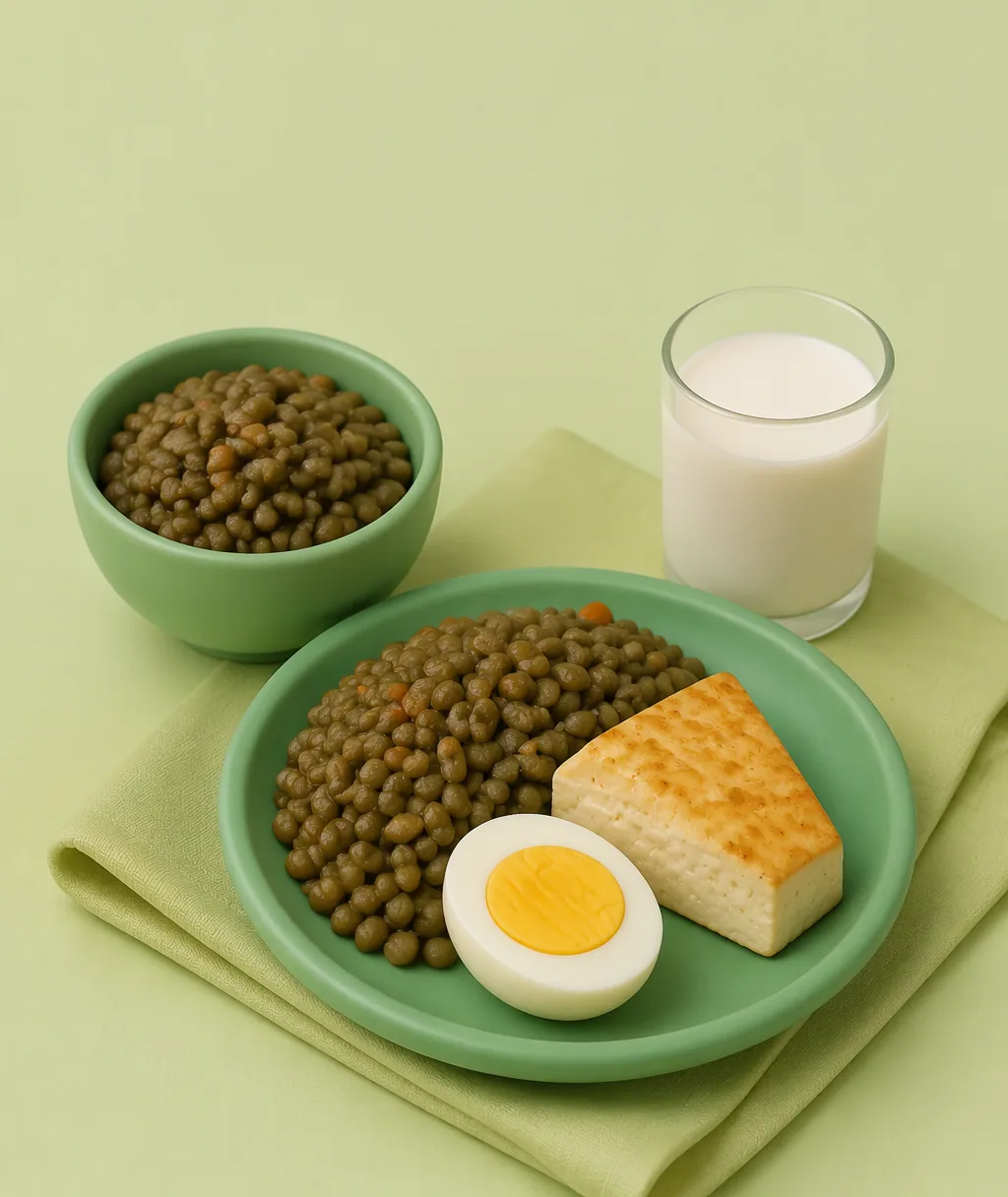
Eggs, yogurt, tofu, beans and lentils all supply protein at a meal. Several trials used supplements, so food-based results are still open.
2024 to 2026
The studies
Each one is dated and linked to the paper. Tap details for the people studied and the abstract line.
- The American Journal of Clinical Nutrition
Adding 50 g a day of whey or pea protein to an RDA-level diet raised muscle protein synthesis in older men. Collagen did not.
Randomized trialLimitedShow detailsHide details
31 healthy older men, average age 72, 15 days
Integrated MPS was increased during supplemental with whey (1.59 ± 0.11 %/d; P < 0.001) and pea (1.59 ± 0.14 %/d; P < 0.001) when compared with RDA (1.46 ± 0.09 %/d for the whey group; 1.46 ± 0.10 %/d for the pea group); however, it remained unchanged with collagen.
On your plateWhey and pea were supplements here. Dairy, peas, lentils and beans are everyday protein foods.
- The Journal of Nutrition
Protein of 1.5 g/kg a day gave a better whole-body protein balance than 0.8 or 1.1 g/kg, though muscle protein synthesis did not differ.
Randomized trialLimitedShow detailsHide details
30 adults aged 61 on average, 24-hour metabolic study
Within a 2-meal eating pattern, a protein intake of 1.5 g/kg/d led to a more positive whole-body net protein balance than intakes of 0.8 and 1.1 g/kg/d in middle-aged and older adults.
On your plateEggs, yogurt, fish, tofu and beans make protein easy to spread across two meals.
- Age and Ageing
Adding 20 g of plant or dairy protein a day for 12 weeks made no significant difference in muscle function or body composition.
Randomized trialModerateShow detailsHide details
171 adults aged 50 and over, 12 weeks
In a population of older adults, increasing protein intake by 20 g daily for 12 weeks (whether plant-based or dairy-based) did not result in significant differences in muscle function, body composition, metabolic health, sleep quality or quality of life, compared with the low protein group.
On your plateA shake is one option; protein foods at meals are another.
Dots rate the study design and size, from early signal to very strong.
Everyday foods
On your plate
 EggsAn everyday protein food that is easy to place at breakfast
 Plain yogurtAn everyday dairy protein food for a first or second meal
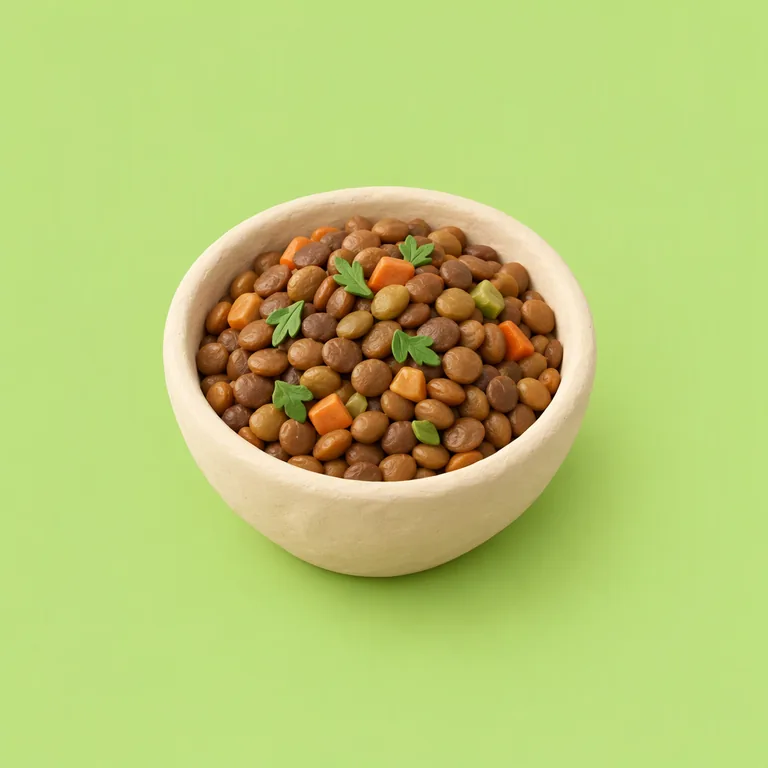 LentilsAn everyday plant protein food named in the cohort notes

Make it yours
Research is general. Alma builds yours.
- Meals fit to your goal and the foods you like
- Log a meal by photo, voice or text in about 10 seconds
- Every meal gets an Alma Score from 0 to 100


Questions
What else do people ask?
How much protein do the studies support?
Trials differ. A 2024 trial of 30 adults found 1.5 g/kg a day gave a better whole-body protein balance than 0.8 or 1.1 g/kg over 24 hours. A 12-week trial adding 20 g of shake protein found no clear muscle difference.
Does it matter when protein is eaten?
Evidence is thin. A 16-week trial in 43 younger women on a calorie-reduced plan found no clear body composition difference between even protein across meals and a dinner-heavy pattern. This page has no timing trial in older adults.
Is plant protein as good as animal protein?
Results are mixed. Pea protein raised muscle protein synthesis in older men like whey did, while collagen did not. In a 12-week trial, plant and dairy shakes showed no clear difference. A nurses cohort linked plant protein with healthy aging, but cohorts cannot confirm the food drove the link.
Do protein supplements help older adults?
A 2024 meta-analysis of 30 trials found whey did not clearly improve handgrip, walking tests or lean mass, though lower-body strength improved when paired with resistance training.
People with kidney disease, or on a clinician-set diet, should check before raising protein. Needs differ by age, activity and health, so a dietitian can help set a target.
Sources
Written by Alma from the papers below and last reviewed Nov 18, 2026. Each study was checked against its PubMed or journal record. This is general information, not medical advice. If you manage a health condition or take medication, check changes with your clinician. Editorial standards
- The effects of whey, pea, and collagen protein supplementation beyond the recommended dietary allowance on integrated myofibrillar protein synthetic rates in older males: a randomized controlled trial The American Journal of Clinical Nutrition, Jul 2024. DOI PubMed 38762187
- Effect of 3 Different Daily Protein Intakes in a 2-Meal Eating Pattern on Protein Turnover in Middle Age and Older Adults: A Randomized Controlled Trial The Journal of Nutrition, May 2025. DOI PubMed 39736329
- Impact of increased protein intake in older adults: a 12-week double-blind randomised controlled trial Age and Ageing, May 2024. DOI PubMed 38745486
- Effectiveness of whey protein supplementation on muscle strength and physical performance of older adults: A systematic review and meta-analysis of randomized clinical trials Clinical Nutrition, Oct 2024. DOI PubMed 39303495
- Daily Dietary Protein Distribution Does Not Influence Changes in Body Composition During Weight Loss in Women of Reproductive Years with Overweight or Obesity: A Randomized Controlled Trial The Journal of Nutrition, Apr 2024. DOI PubMed 38365118
- Dietary protein intake in midlife in relation to healthy aging - results from the prospective Nurses' Health Study cohort The American Journal of Clinical Nutrition, Feb 2024. DOI PubMed 38309825

Get a week built around you.
Tell Alma your goal and the foods you like. It plans the meals and scores each one.