


Creatine research, what 2023 to 2026 found.
Six recent studies on creatine, muscle, strength, memory and safety, each dated and linked to the paper.Last reviewed Nov 18, 2026
- Studies
- 6
- People studied
- 2,559
- Trials and reviews
- 6
- Last reviewed
- Nov 18, 2026
The short answer
Creatine plus resistance training has the steadiest evidence: a 2026 meta-analysis of 63 studies linked it with larger gains in strength and lean mass. Brain findings are small and mixed. Short trials found no clear effect on hair or hormones.
What the studies cover
Evidence at a glance
Strength
Larger gains with training than training alone in 63 studies.
HelpsLean mass
Larger gains with training; one trial found gains without exercise.
Helps a littleFat mass
No clear difference in the 63-study review.
No clear effectStudy: Dec 2026
Memory and thinking
Main tests not significant in 123 adults; memory gains were exploratory.
Too early to sayBone density
Unchanged in postmenopausal women, including over 2 years.
No clear effectHair and hormones
No clear difference in testosterone, DHT or hair in 38 men over 12 weeks.
No clear effectStudy: Sep 2025
Strength comes from study design and how many studies back the row. Observational studies show links, not cause.
The basics
Overview
What is creatine?
Creatine is a compound found mainly in meat and fish, and sold as a supplement. Plant foods supply very little.
What does the research show?
A 2026 review of 63 studies linked creatine plus resistance training with larger strength and lean mass gains than training alone. In a 12-week trial of 64 adults aged 45 to 65, creatine without exercise raised lean mass and strength.
More questions (2)
What are the drawbacks or open questions?
Thinking tests in a 123-adult crossover trial were not significant, and side effects were reported more often with creatine. Bone density was unchanged over 2 years in 237 postmenopausal women, and several trials were small or lasted 12 weeks.
What does it mean for your plate?
Creatine research here pairs it with strength training. No trial here tested food sources of creatine.
2023 to 2026
The studies
Each one is dated and linked to the paper. Tap details for the people studied and the abstract line.
- Journal of the International Society of Sports Nutrition
Adding creatine to resistance training was linked with larger strength and lean mass gains than training alone. Fat mass showed no clear difference.
Systematic reviewStrongShow detailsHide details
63 studies, 1,489 participants, varied by trial
Compared with resistance training alone, resistance training combined with creatine supplementation significantly enhanced muscle strength and lean body mass, without a significant effect on fat mass.
On your plateMeat and fish are the main food sources of creatine; plant foods supply very little.
- Journal of the International Society of Sports Nutrition
Creatine without exercise raised lean mass and strength in adults 45 to 65. Memory and other markers were exploratory.
Randomized trialModerateShow detailsHide details
64 adults aged 45 to 65, 12 weeks
CrM supplementation without exercise training and diet intervention increased lean tissue mass, strength, and muscular endurance while promoting favorable changes in selected blood lipids, HbA1c, and selected markers of cognitive function and memory.
On your plateEggs, fish, dairy and beans add protein to meals alongside strength training.
- BMC Medicine
Main thinking tests were not significant. Bayesian analysis hinted at a small benefit, and side effects were reported more often with creatine.
Crossover trialLimitedShow detailsHide details
123 adults, half vegetarian, 6 weeks per arm
The creatine effect bordered significance for BDS (p = 0.064, η2P = 0.029) but not RAPM (p = 0.327, η2P = 0.008).
On your plateFish and meat are the main food sources of creatine, so vegetarian diets supply less.
Dots rate the study design and size, from early signal to very strong.
Everyday foods
On your plate
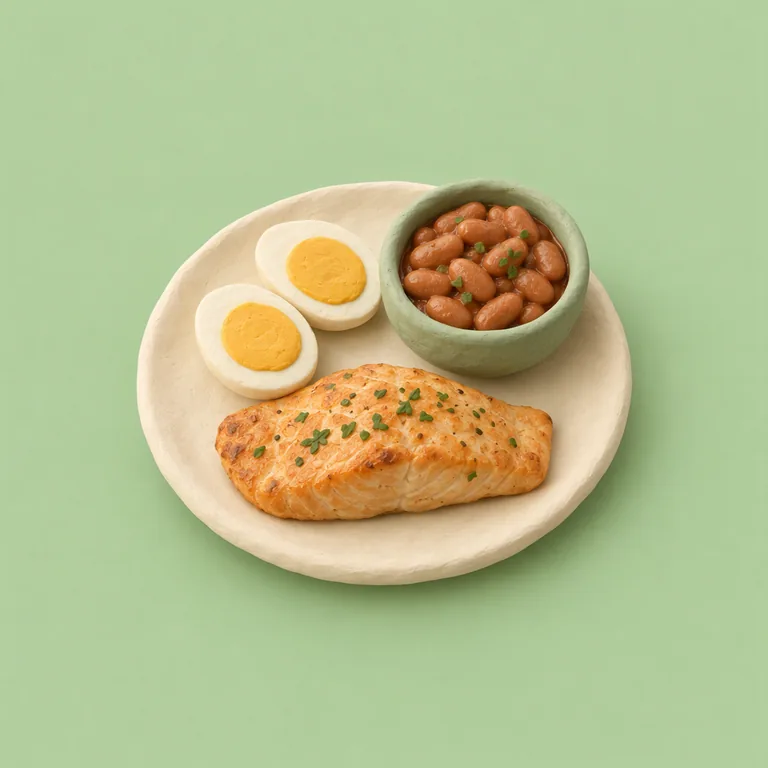
 EggsProtein to pair with strength training
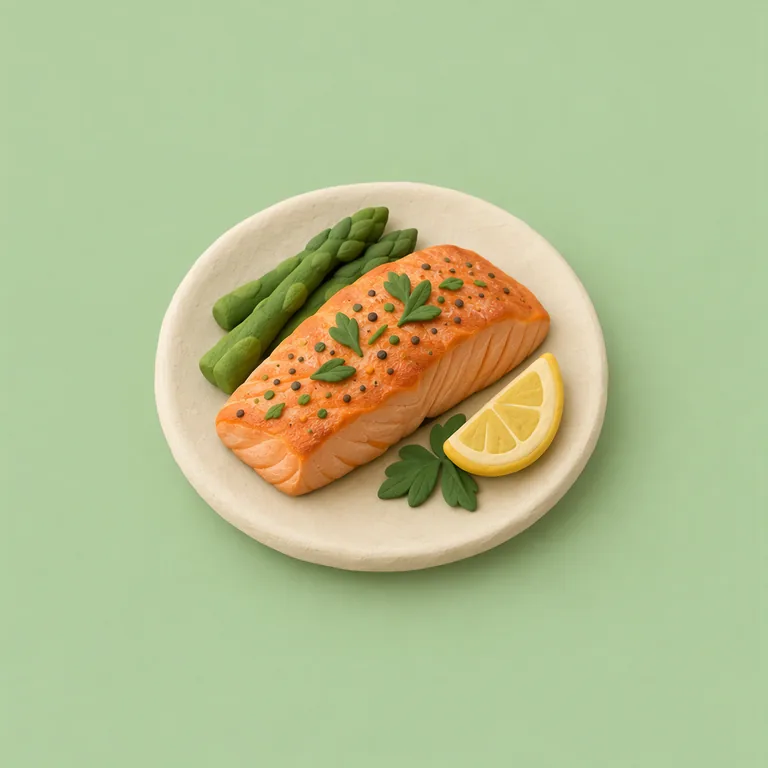 Baked salmonFish are a main food source of creatine
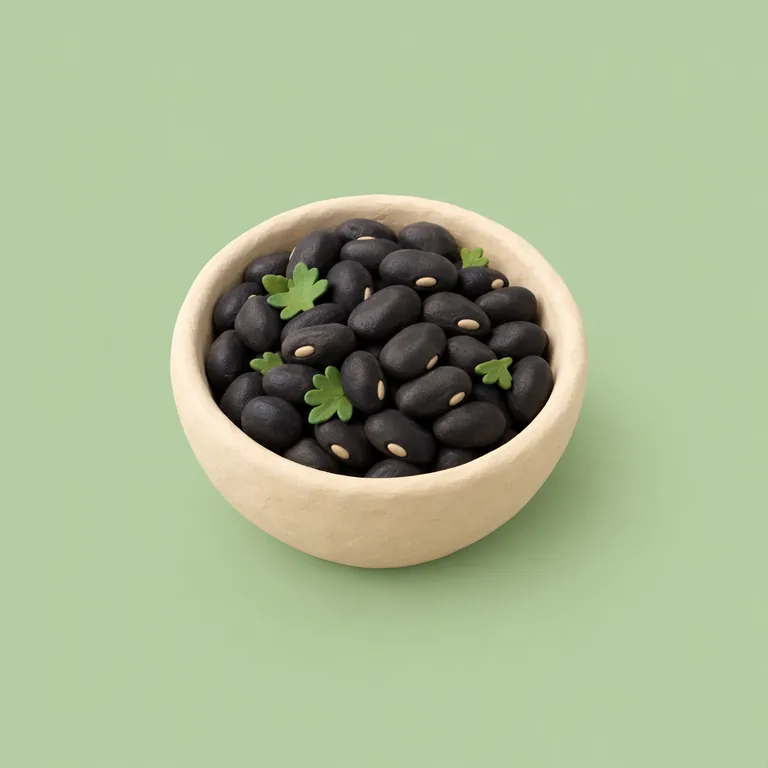 Black beansPlant protein; plant foods supply very little creatine

Make it yours
Research is general. Alma builds yours.
- Meals fit to your goal and the foods you like
- Log a meal by photo, voice or text in about 10 seconds
- Every meal gets an Alma Score from 0 to 100

Questions
What else do people ask?
Does creatine build muscle and strength?
Paired with resistance training, a 2026 meta-analysis of 63 studies linked creatine with larger gains in strength and lean mass than training alone. Fat mass showed no clear difference.
Does creatine help memory or thinking?
The evidence is small and mixed. In a 2023 trial of 123 adults the main tests were not significant, though Bayesian analysis hinted at a small benefit. A 2026 trial in adults aged 45 to 65 reported exploratory memory gains.
Is creatine safe, and does it affect hair?
In a 12-week trial of 38 men, hormones and hair measures did not differ from placebo. A review of postmenopausal trials found mild side effects, similar to placebo, and unchanged kidney markers.
Does creatine work for women and older adults?
Trials in postmenopausal women report small gains in lean mass and strength when creatine is paired with resistance training. Bone density was unchanged over 2 years in a 2-year trial of 237 women.
People with kidney disease, anyone pregnant or breastfeeding, and anyone on regular medicines should check with a clinician before using creatine. Several trials here lasted 12 weeks or less and enrolled generally healthy adults.
Sources
Written by Alma from the papers below and last reviewed Nov 18, 2026. Each study was checked against its PubMed or journal record. This is general information, not medical advice. If you manage a health condition or take medication, check changes with your clinician. Editorial standards
- Resistance training combined with creatine supplementation: a three-level meta-analysis of multidimensional outcomes from strength enhancement to body composition remodeling Journal of the International Society of Sports Nutrition, Dec 2026. DOI PubMed 42765482
- Effects of creatine supplementation with and without exercise and diet intervention on body composition, cognitive function, and markers of health in middle-aged and older adults Journal of the International Society of Sports Nutrition, Aug 2026. DOI PubMed 42578920
- The effects of creatine supplementation on cognitive performance-a randomised controlled study BMC Medicine, Nov 2023. DOI PubMed 37968687
- A 2-yr Randomized Controlled Trial on Creatine Supplementation during Exercise for Postmenopausal Bone Health Medicine and Science in Sports and Exercise, Oct 2023. DOI PubMed 37144634
- Does creatine cause hair loss? A 12-week randomized controlled trial Journal of the International Society of Sports Nutrition, Sep 2025. DOI PubMed 40265319
- Creatine monohydrate for lean mass, strength, and bone density in postmenopausal women: a systematic review and meta-analysis Journal of the International Society of Sports Nutrition, Dec 2026. DOI PubMed 42141930

Get a week built around you.
Tell Alma your goal and the foods you like. It plans the meals and scores each one.