


Longevity research, what 2023 to 2026 found.
Mediterranean eating, ultra-processed food, coffee, flavonoids and protein sources, read from seven cohort studies.Last reviewed Nov 18, 2026
- Studies
- 7
- People studied
- 537K
- Trials and reviews
- 0
- Last reviewed
- Nov 18, 2026
The short answer
Cohort studies link plant-rich eating patterns and less ultra-processed food with lower mortality and healthier aging. All seven studies here are observational, so none can show that food is the reason.
What the studies cover
Evidence at a glance
Mortality, healthy eating scores
Top fifth of four scores linked with 14% to 20% lower total mortality
Linked with benefitHealthy aging
Eight dietary patterns linked with 45% to 86% higher odds
Linked with benefitStudy: May 2025
Coffee
1 or more cups a day linked with 15% to 17% lower mortality, black or low-sugar only
Linked with benefitStudy: Jul 2025
Ultra-processed food
Highest intake linked with 4% higher mortality; none for cancer or heart death
Linked with benefitStudy: May 2024
Flavonoid variety
Widest variety linked with 6% to 20% lower risk of death and chronic disease
Linked with benefitStudy: Jul 2025
Strength comes from study design and how many studies back the row. Observational studies show links, not cause.
The basics
Overview
What is longevity nutrition research?
This research follows large groups of people and links what they eat with later deaths or healthy aging. The seven studies here are all observational cohorts.
What does the research show?
In 119,315 US nurses and health professionals, the top fifth of four healthy-eating scores was linked with 14% to 20% lower total mortality. In 105,015 people, eight dietary patterns were linked with 45% to 86% higher odds of healthy aging.
More questions (2)
What are the drawbacks or open questions?
People who eat this way differ in other habits. In the women's Mediterranean study, the gap shrank from 23% to 11% after adjusting for lifestyle.
What does it mean for your plate?
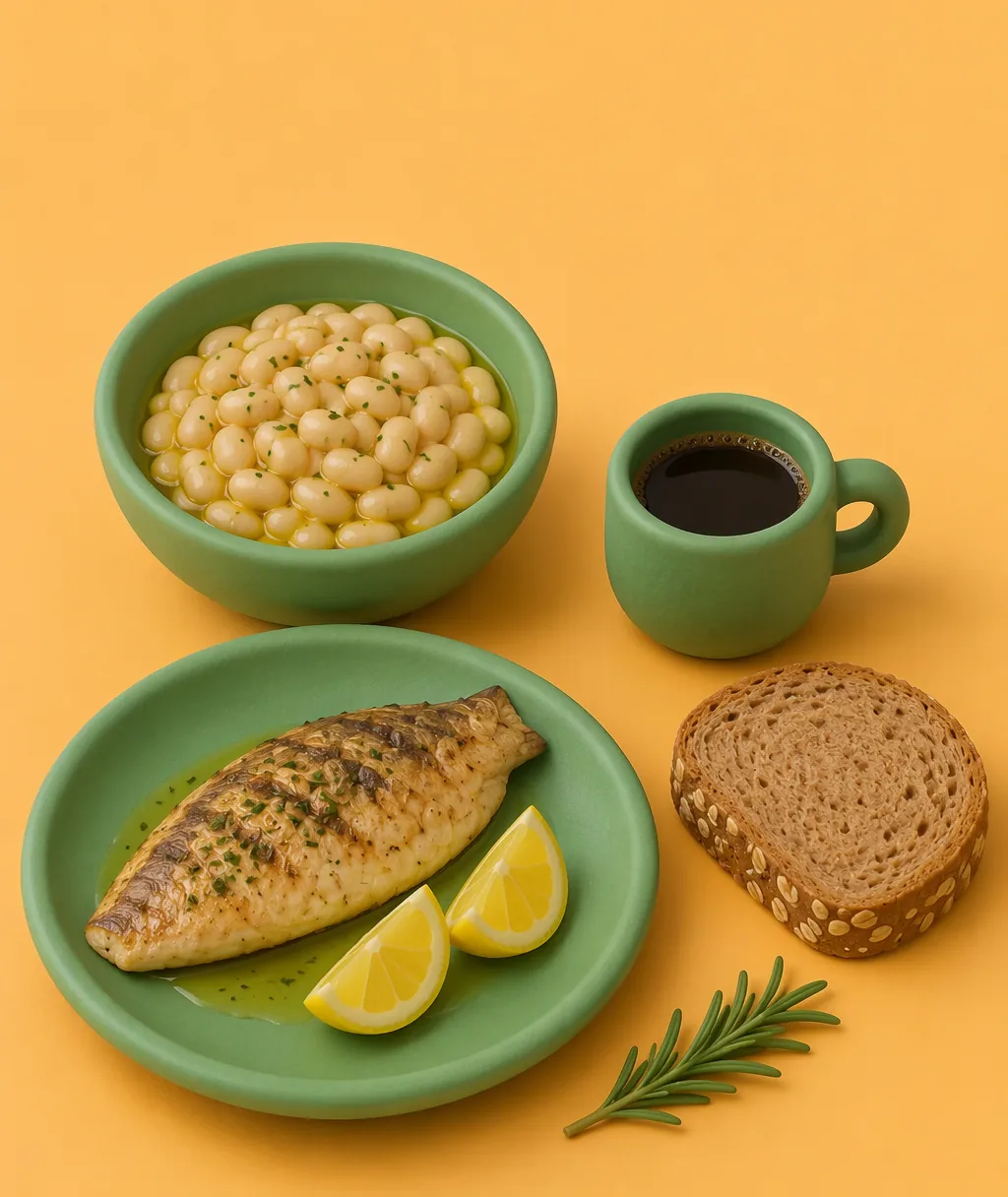
Olive oil, beans, fish, vegetables and whole grains are the core of a Mediterranean-style plate. Tea, berries and apples are everyday flavonoid-rich foods.
2023 to 2026
The studies
Each one is dated and linked to the paper. Tap details for the people studied and the abstract line.
- JAMA Network Open
Highest Mediterranean diet adherence was linked with 23% lower overall mortality in women, or 11% lower after adjusting for lifestyle.
Cohort studyModerateShow detailsHide details
25,315 initially healthy women, followed 24.7 years
In this cohort study, higher adherence to the Mediterranean diet was associated with 23% lower risk of all-cause mortality. Further adjusting for lifestyle factors attenuated the risk reductions, but they remained statistically significant (middle adherence group: HR, 0.92 [95% CI, 0.85-0.99]; upper adherence group: HR, 0.89 [95% CI, 0.82-0.98]; P for trend = .001).
On your plateOlive oil, beans, fish, vegetables and whole grains are the core of a Mediterranean-style plate.
- BMJ
Highest ultra-processed food intake was linked with 4% higher overall mortality, with no link to cancer or cardiovascular death. Processed meat products stood out.
Cohort studyModerateShow detailsHide details
114,064 US nurses and health professionals, followed 31 to 34 years
Compared with those in the lowest quarter of ultra-processed food consumption, participants in the highest quarter had a 4% higher all cause mortality (hazard ratio 1.04, 95% confidence interval 1.01 to 1.07) No associations were found for cancer or cardiovascular mortality.
On your plateBeans, oats, eggs, frozen vegetables and plain yogurt are everyday low-processed staples.
- The Journal of Nutrition
1 or more cups of coffee daily was linked with 15% to 17% lower mortality, but only for black or low-sugar, low-saturated-fat coffee.
Cohort studyModerateShow detailsHide details
46,222 US adults, followed 9 to 11 years
Higher coffee consumption was associated with lower all-cause mortality [HR (95% CI): 0.89 (0.78, 1.02) for < 1 cup/d; 0.84 (0.77, 0.92) for 1 to <2 cups/d; 0.83 (0.75, 0.93) for 2 to <3 cups/d; and 0.85 (0.77, 0.95) for ≥3 cups/d; P-trend = 0.004]. However, the mortality benefits were restricted to black coffee [HR (95% CI): 0.86 (0.77, 0.97)] and coffee with low added sugar and saturated fat content [HR (95% CI): 0.86 (0.75, 0.99)].
On your plateBlack or lightly milked coffee keeps added sugar and saturated fat low.
Dots rate the study design and size, from early signal to very strong.
Everyday foods
On your plate
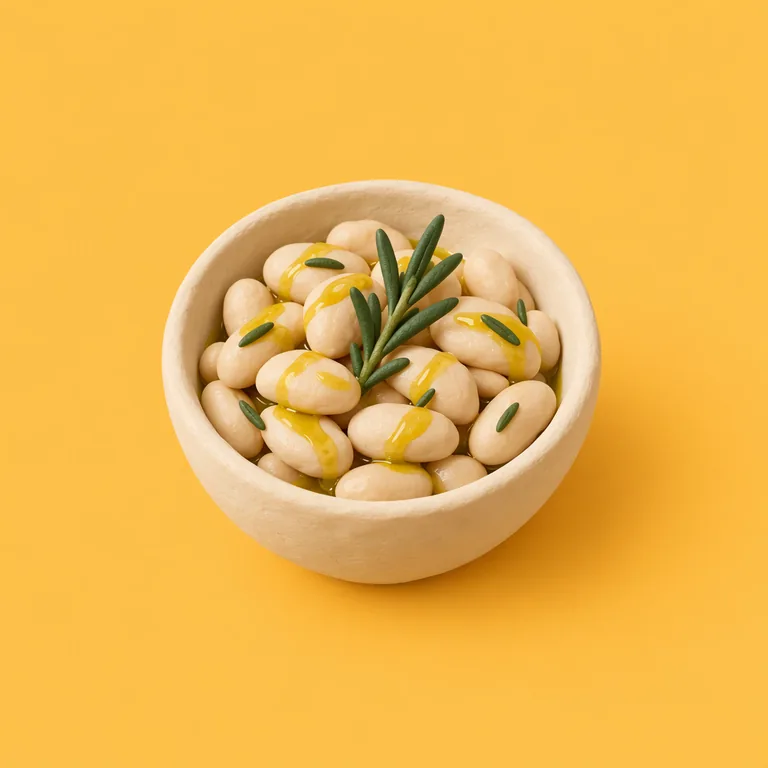 White beansCore of a Mediterranean-style plate, with olive oil
 BerriesEveryday flavonoid-rich food named in the UK Biobank paper
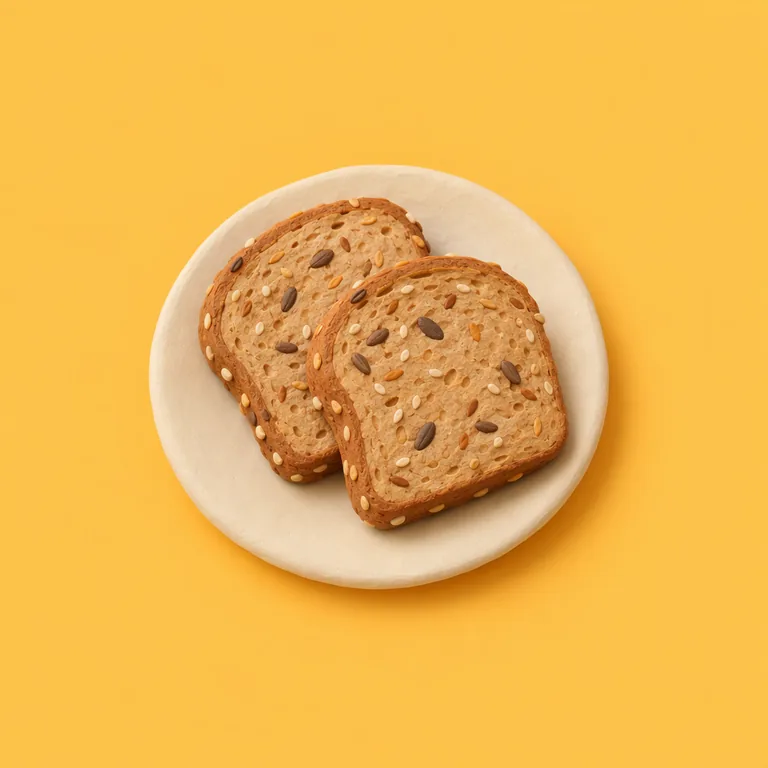 Whole-grain breadA whole grain among the foods linked with healthy aging

Make it yours
Research is general. Alma builds yours.
- Meals fit to your goal and the foods you like
- Log a meal by photo, voice or text in about 10 seconds
- Every meal gets an Alma Score from 0 to 100


Questions
What else do people ask?
Can these studies say what makes people live longer?
No. All seven are observational cohorts. They link eating patterns with lower risk, yet people who eat this way differ in other habits. In the women's Mediterranean study, the gap shrank from 23% to 11% after lifestyle adjustment.
Which eating pattern had the strongest link?
In two US cohorts, the top fifth for four healthy-eating scores had 14% to 20% lower total mortality, with the Alternative Healthy Eating Index slightly ahead. In the healthy-aging study, higher intakes of fruits, vegetables, whole grains, nuts and legumes were linked with greater odds of healthy aging.
Is coffee linked with living longer?
In 46,222 US adults, 1 or more cups a day was linked with lower overall mortality, but only for black coffee or coffee low in added sugar and saturated fat. Coffee drinkers may also differ in other ways.
How big is the ultra-processed food link?
In 114,064 US nurses and health professionals, the highest intake was linked with 4% higher overall mortality. It is a small gap. Processed meat products showed the strongest links, and cancer and cardiovascular death showed none.
Cohort findings describe groups, not one person. Anyone with a medical condition, a prescribed diet or a history of disordered eating should check with a clinician before changing how they eat.
Sources
Written by Alma from the papers below and last reviewed Nov 18, 2026. Each study was checked against its PubMed or journal record. This is general information, not medical advice. If you manage a health condition or take medication, check changes with your clinician. Editorial standards
- Mediterranean Diet Adherence and Risk of All-Cause Mortality in Women JAMA Network Open, May 2024. DOI PubMed 38819819
- Association of ultra-processed food consumption with all cause and cause specific mortality: population based cohort study BMJ, May 2024. DOI PubMed 38719536
- Coffee Consumption and Mortality among United States Adults: A Prospective Cohort Study The Journal of Nutrition, Jul 2025. DOI PubMed 40368300
- Healthy Eating Patterns and Risk of Total and Cause-Specific Mortality JAMA Internal Medicine, Feb 2023. DOI PubMed 36622660
- Optimal dietary patterns for healthy aging Nature Medicine, May 2025. DOI PubMed 40128348
- High diversity of dietary flavonoid intake is associated with a lower risk of all-cause mortality and major chronic diseases Nature Food, Jul 2025. DOI PubMed 40456886
- Plant and Animal Protein Intake and Transitions From Multimorbidity to Frailty and Mortality in Older Adults Journal of Cachexia, Sarcopenia and Muscle, Feb 2025. DOI PubMed 39971333
- Dietary Guidelines for Americans
- American Heart Association: Mediterranean diet

Get a week built around you.
Tell Alma your goal and the foods you like. It plans the meals and scores each one.