


Fiber and blood sugar, what 2019 to 2026 found.
Large cohorts, meta-analyses and trials on fiber, HbA1c and post-meal glucose, with the mixed results left in.Last reviewed Nov 18, 2026
- Studies
- 7
- People studied
- 418K
- Trials and reviews
- 4
- Last reviewed
- Nov 18, 2026
The short answer
In trials of adults with type 2 diabetes, viscous fiber supplements lowered HbA1c by 0.58% on top of usual care. An 802-person prediabetes trial found no clear overall difference at 6 months. Cohorts link higher fiber intake with lower type 2 diabetes risk.
What the studies cover
Evidence at a glance
Type 2 diabetes risk
Total fiber linked with 12% lower risk, cereal fiber with 23% lower
Linked with benefitHbA1c in type 2 diabetes
Viscous fiber lowered HbA1c by 0.58% across 28 trial comparisons
HelpsHbA1c in prediabetes
No clear difference at 6 months in 802 adults; some subgroups improved
No clear effectStudy: Dec 2025
Fasting glucose, overweight
Fell 0.07 mmol/L with fiber supplements, a small shift
Helps a littleStudy: Sep 2025
Time above 140 mg/dL
In one study's prediabetes subgroup, more fiber per carb went with 7% to 10% less time above it
Linked with benefitStudy: Oct 2025
Strength comes from study design and how many studies back the row. Observational studies show links, not cause.
The basics
Overview
What is fiber?
Dietary fiber is the part of plant foods that people do not digest. Viscous fiber, found in oats, barley, beans and lentils, is the type studied most here.
What does the research show?
Cohorts of about 195,000 adults linked higher total fiber with 12% lower type 2 diabetes risk. In trials of adults with type 2 diabetes, viscous fiber lowered HbA1c by 0.58%.
More questions (2)
What are the drawbacks or open questions?
The cohort findings are observational, so other habits may play a part. An 802-person prediabetes trial found no clear overall difference, and network meta-analysis certainty was mostly low to moderate.
What does it mean for your plate?
Oats, barley, beans and lentils are everyday sources of viscous fiber. Pairing rice or pasta with beans, lentils or vegetables adds fiber to a meal.
2019 to 2026
Two lines of research
Each one is dated and linked to the paper. Tap details for the people studied and the abstract line.
Dietary fiber
Large cohorts on fiber intake and later type 2 diabetes.
- Diabetes Care
Higher total fiber intake was linked with 12% lower type 2 diabetes risk, cereal fiber with 23% lower and fruit fiber with 18% lower.
Cohort studyModerateShow detailsHide details
195,222 adults in three US cohorts, followed up to 34 years
Higher intakes of total fiber (hazard ratio [HR] comparing extreme quintiles 0.88; 95% CI 0.82, 0.94), cereal fiber (HR 0.77; 95% CI 0.73, 0.82), and fruit fiber (HR 0.82; 95% CI 0.78, 0.87) were each associated with a lower T2D risk.
On your plateOats, whole-grain bread, berries and apples are everyday sources of cereal and fruit fiber.
- The American Journal of Clinical Nutrition
Higher cereal fiber intake was linked with 23% lower type 2 diabetes risk, while higher glycemic index was linked with 20% higher risk.
Cohort studyModerateShow detailsHide details
213,704 adults in three US cohorts, followed up to 36 years
In multivariable-adjusted models, comparing Q5 to Q1, intakes of cereal fiber [relative risk (RR): 0.77 (0.74-0.81)], whole-fruit carbohydrates [RR: 0.80 (0.76-0.84)], glycemic index [RR: 1.20 (1.14-1.26)], sugar from sugar-sweetened beverages [RR: 1.22 (1.17-1.28)], and whole-grain carbohydrates [RR: 0.86 (0.82-0.91)] had the strongest associations with T2D risk.
On your plateBarley, oats and brown rice are everyday whole grains that bring fiber along with the carbohydrate.
Blood sugar
Trials and glucose-monitor studies on fiber and glucose levels.
- Diabetes Care
Viscous fiber supplements lowered HbA1c by 0.58% and fasting glucose by 0.82 mmol/L in type 2 diabetes, on top of usual care.
Meta-analysis of RCTsVery strongShow detailsHide details
28 trial comparisons, 1,394 adults with type 2 diabetes, trials of 3 weeks or longer
Viscous fiber at a median dose of ~13.1 g/day significantly reduced HbA1c (MD -0.58% [95% CI -0.88, -0.28]; P = 0.0002), fasting blood glucose (MD -0.82 mmol/L [95% CI -1.32, -0.31]; P = 0.001), and HOMA-insulin resistance (IR) (MD -1.89 [95% CI -3.45, -0.33]; P = 0.02) compared with control and in addition to standard of care.
On your plateOats, barley, beans and lentils are everyday sources of viscous fiber.
Dots rate the study design and size, from early signal to very strong.
Dietary fiber + Blood sugar
Where they meet
What the studies show
Cohorts link higher fiber intake with lower type 2 diabetes risk, and viscous fiber lowered HbA1c in trials of adults with type 2 diabetes.
Not tested together yet
An 802-person prediabetes trial found no clear overall HbA1c difference, and no trial here ranks whole fiber foods against each other over years.
Everyday foods
On your plate
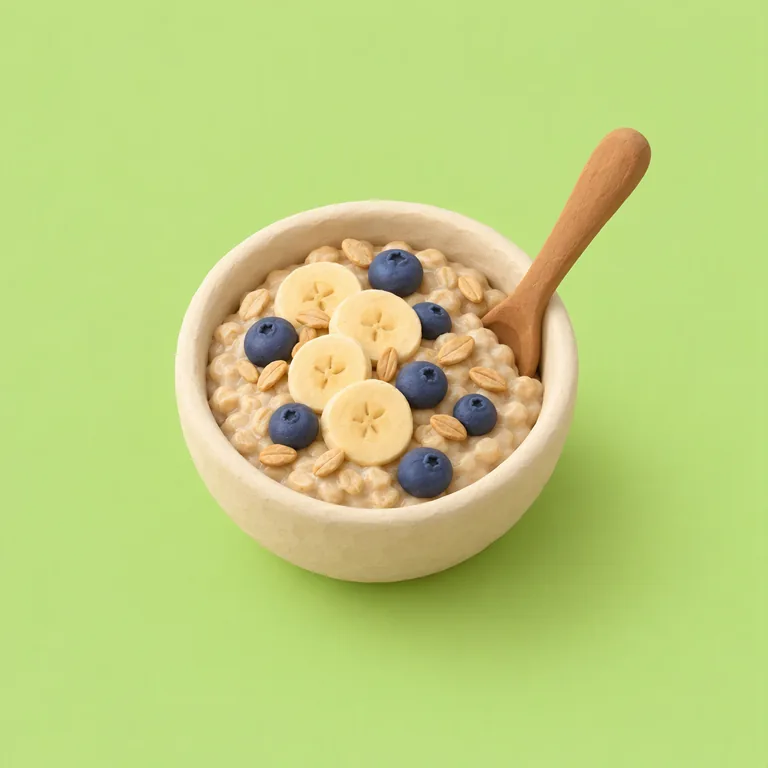 OatsEveryday source of cereal fiber and viscous fiber
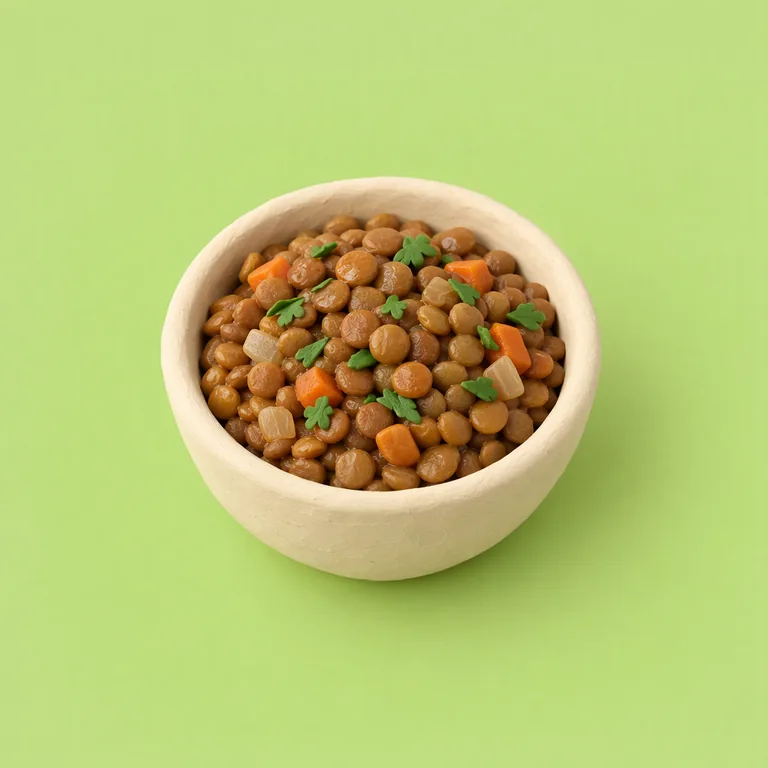 LentilsEveryday source of soluble fiber
 BerriesEveryday source of fruit fiber

Make it yours
Research is general. Alma builds yours.
- Meals fit to your goal and the foods you like
- Log a meal by photo, voice or text in about 10 seconds
- Every meal gets an Alma Score from 0 to 100


Questions
What else do people ask?
Does fiber lower blood sugar?
In trials of adults with type 2 diabetes, viscous fiber supplements lowered HbA1c by 0.58% on top of usual care. An 802-person prediabetes trial found no clear overall difference at 6 months, so results vary by person.
Is fiber linked with a lower diabetes risk?
In US cohorts of about 195,000 adults, higher total fiber intake was linked with a 12% lower type 2 diabetes risk, and cereal fiber with 23% lower. These are observational findings, so other habits may play a part.
Which fibers have the most evidence for glucose?
A network meta-analysis of 46 trials ranked galactomannans first for HbA1c and fasting glucose, with psyllium and beta-glucans ranking well for insulin measures. Certainty was mostly low to moderate.
People who take insulin or sulfonylureas, have gastroparesis, a bowel condition or kidney disease should check with a clinician before changing fiber intake or adding fiber supplements.
Sources
Written by Alma from the papers below and last reviewed Nov 18, 2026. Each study was checked against its PubMed or journal record. This is general information, not medical advice. If you manage a health condition or take medication, check changes with your clinician. Editorial standards
- Intake of Fiber From Different Food Sources and Type 2 Diabetes Risk: An Integrated Analysis of Epidemiological and Multiomic Data Diabetes Care, Jun 2026. DOI PubMed 41920710
- Optimal measures of carbohydrate quality to lower the risk of type 2 diabetes: findings from 3 prospective cohort studies The American Journal of Clinical Nutrition, Jul 2026. DOI PubMed 42069223
- Should Viscous Fiber Supplements Be Considered in Diabetes Control? Results From a Systematic Review and Meta-analysis of Randomized Controlled Trials Diabetes Care, May 2019. DOI PubMed 30617143
- Galactomannans are the most effective soluble dietary fibers in type 2 diabetes: a systematic review and network meta-analysis The American Journal of Clinical Nutrition, Feb 2023. DOI PubMed 36811560
- Effects of isolated single fibers, fiber mixtures, and fiber-rich whole foods on glucose homeostasis in individuals with overweight and obesity: A systematic review and meta-analysis Clinical Nutrition, Sep 2025. DOI PubMed 40803102
- Gut microbiome predicts personalized responses to dietary fiber in prediabetes: a randomized, open-label trial Nature Communications, Dec 2025. DOI PubMed 41390484
- Associations of diet composition and quality with continuous glucose monitor-derived glycemic metrics in a community-based cohort The American Journal of Clinical Nutrition, Oct 2025. DOI PubMed 40749968

Get a week built around you.
Tell Alma your goal and the foods you like. It plans the meals and scores each one.