


Protein and menopause, what 2020 to 2026 found.
Protein and muscle have been studied in older adults, and muscle changes have been studied at menopause.Last reviewed Nov 18, 2026
- Studies
- 8
- People studied
- 11K
- Trials and reviews
- 3
- Last reviewed
- Nov 18, 2026
The short answer
Only one small trial tested protein in postmenopausal women, and higher protein added nothing on top of exercise. Observational studies link higher protein with less lean mass loss in middle-aged and older adults, and menopause with lower lean mass.
What the studies cover
Evidence at a glance
Lean mass and protein
Higher intake linked with less lean mass loss in 2,709 adults in China
Linked with benefitStudy: Dec 2023
Protein in postmenopausal women
Higher protein added nothing to exercise in 61 women on a calorie-reduced plan
No clear effectStudy: Jan 2021
Whey supplements
No clear gain in handgrip or lean mass in older adults; leg strength rose with training
No clear effectStudy: Oct 2024
Menopause and lean mass
Less lean tissue after menopause; falling estradiol tracked with falling lean mass
Linked with benefitResistance training
Seemed to help function and bone density in 12 trials; certainty very low to low
Too early to sayStudy: Jan 2023
Very high protein
Above 1.3 g/kg a day linked with sarcopenia in older twins, from one snapshot
Linked with higher riskStudy: Feb 2023
Strength comes from study design and how many studies back the row. Observational studies show links, not cause.
The basics
Overview
What is protein for muscle at menopause?
Muscle mass tends to fall with age, and researchers ask whether menopause adds to that and whether protein helps. Few studies join the two questions. This page reads the work on each side.
What does the research show?
In 2,709 adults in China, higher protein intake was linked with less lean mass loss, particularly in women. In 72 women, postmenopausal and perimenopausal women had less lean soft tissue than premenopausal women. In a 6-month trial of 61 postmenopausal women, higher protein added nothing on top of exercise.
More questions (2)
What are the drawbacks or open questions?
Most findings are observational, so they cannot show which came first. In 3,302 older twins, protein above 1.3 g/kg a day was linked with sarcopenia. The one trial in postmenopausal women was small and ran during calorie reduction.
What does it mean for your plate?
Eggs, tofu, beans, yogurt and fish are everyday protein foods. No trial here tested a food-based protein pattern in menopause.
2020 to 2026
Two lines of research
Each one is dated and linked to the paper. Tap details for the people studied and the abstract line.
Protein intake
Protein, lean mass and muscle in older women and adults
- Clinical Nutrition
Higher total, animal and plant protein intake was linked with less loss of lean mass, and a lower sarcopenia risk in women.
Cohort studyModerateShow detailsHide details
2,709 adults aged 40 to 75 in China, followed 3.2 years
Higher dietary protein intake, regardless of animal or plant sources, is associated with less muscle loss and a lower prevalence of sarcopenia in middle-aged and older Chinese, particularly women.
On your plateEggs, fish, tofu, beans and yogurt are everyday protein foods.
- Age and Ageing
In older twins, protein intake above 1.3 g/kg a day was linked with sarcopenia and low muscle mass. Muscle strength showed no clear link.
Cross-sectional studyLimitedShow detailsHide details
3,302 twins aged 60 and over, 89% women, single time point
High protein intake is associated with sarcopenia in a cohort of healthy older twins.
On your plateOne snapshot in time cannot show whether higher protein came before the muscle loss or after it.
- Medicine & Science in Sports & Exercise
On a calorie-reduced plan, strength improved with exercise and declined with higher protein alone. Higher protein added nothing on top of exercise.
Randomized trialModerateShow detailsHide details
61 postmenopausal women finished (72 randomized), 6 months
Exercise during weight loss is critical to preserve strength and enhance LEPF; however, a higher protein diet does not appear to influence body composition, muscle strength, or LEPF changes when combined with multicomponent exercise.
On your plateThis trial tested protein during calorie reduction, so it says little about protein at other times.
Menopause
Muscle and strength changes across the menopause transition
Dots rate the study design and size, from early signal to very strong.
Protein intake + Menopause
Where they meet
What the studies show
Links between protein intake and muscle in older adults are mixed, and one small study found less lean mass after menopause.
A 2022 review found resistance training seemed to improve function in postmenopausal women, though certainty was low.
Not tested together yet
Only one small trial here tested protein in postmenopausal women, and it ran during calorie reduction, so evidence across the transition is thin.
Everyday foods
On your plate
 EggsAn everyday protein food; not tested alone in these studies
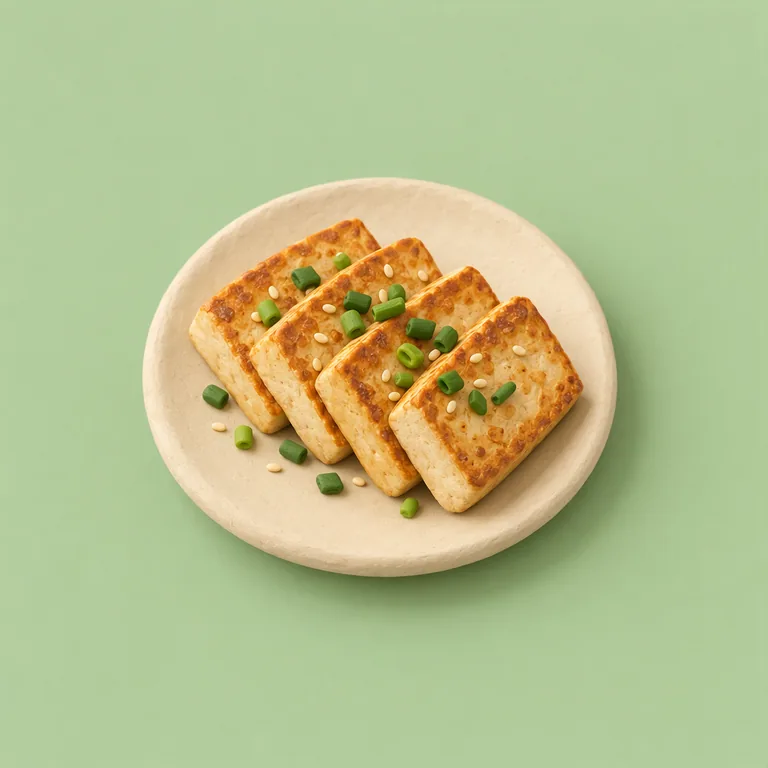 TofuAn everyday plant protein food named in the cohort notes
 Plain yogurtAn everyday dairy protein food; not tested alone here

Make it yours
Research is general. Alma builds yours.
- Meals fit to your goal and the foods you like
- Log a meal by photo, voice or text in about 10 seconds
- Every meal gets an Alma Score from 0 to 100

Questions
What else do people ask?
Does menopause change muscle?
Observational studies link menopause with lower lean mass and muscle quality. A 2026 narrative review in the Journal of Cachexia, Sarcopenia and Muscle noted a lack of high-quality evidence linking menopause to sarcopenia.
How much protein is enough after menopause?
No study here sets a menopause-specific protein target. The US RDA is 0.8 g per kg of body weight a day for adults, and some older-adult studies test higher intakes with mixed results. The menopause protein calculator gives an estimate.
Does extra protein build muscle by itself?
In one trial of older postmenopausal women on a calorie-reduced plan, higher protein alone did not keep strength, while exercise groups gained it. A 2024 meta-analysis found whey helped lower-body strength only alongside resistance training.
People with kidney disease, or on a clinician-set diet, should check before raising protein. Muscle changes after menopause also reflect age, activity and hormones, so a clinician can help sort out what is behind them.
Sources
Written by Alma from the papers below and last reviewed Nov 18, 2026. Each study was checked against its PubMed or journal record. This is general information, not medical advice. If you manage a health condition or take medication, check changes with your clinician. Editorial standards
- Dietary protein intake and changes in muscle mass measurements in community-dwelling middle-aged and older adults: A prospective cohort study Clinical Nutrition, Dec 2023. DOI PubMed 37922694
- Higher dietary protein intake is associated with sarcopenia in older British twins Age and Ageing, Feb 2023. DOI PubMed 36800504
- Exercise and Protein Effects on Strength and Function with Weight Loss in Older Women Medicine & Science in Sports & Exercise, Jan 2021. DOI PubMed 32520876
- Effectiveness of whey protein supplementation on muscle strength and physical performance of older adults: A systematic review and meta-analysis of randomized clinical trials Clinical Nutrition, Oct 2024. DOI PubMed 39303495
- Menopause Transition: A Cross-Sectional Evaluation on Muscle Size and Quality Medicine & Science in Sports & Exercise, Jul 2023. DOI PubMed 36878186
- Associations Between Female Sex Hormones and Skeletal Muscle Ageing: The Baltimore Longitudinal Study of Aging Journal of Cachexia, Sarcopenia and Muscle, Jun 2025. DOI PubMed 40296368
- The association between reproductive period and handgrip strength in postmenopausal women: a nationwide cross-sectional study Menopause, Jan 2024. DOI PubMed 38016167
- Resistance training for postmenopausal women: systematic review and meta-analysis Menopause, Jan 2023. DOI PubMed 36283059
- 2026 narrative review: menopause and muscle mass

Get a week built around you.
Tell Alma your goal and the foods you like. It plans the meals and scores each one.