


Soy and menopause, what the research found.
Recent reviews and trials look at soy and isoflavones for hot flashes, bones and the heart.Last reviewed Nov 18, 2026
- Studies
- 6
- People studied
- 226K
- Trials and reviews
- 5
- Last reviewed
- Nov 18, 2026
The short answer
Soy foods may modestly ease hot flashes, but certainty across four trials was very low. Isoflavone trials found small bone density gains and no significant effect on endometrial thickness, FSH or estradiol. Tofu intake was linked with lower coronary heart disease risk.
What the studies cover
Evidence at a glance
Hot flashes
Fewer in four soy trials, certainty very low; one trial paired soy with a vegan diet
Too early to sayBone density
Isoflavones raised it slightly at spine, femoral neck and forearm across 63 trials
Helps a littleStudy: Mar 2024
Vaginal dryness
Lower dryness across 47 trials, but results differed widely between trials
Too early to sayStudy: Dec 2025
Estrogen-related measures
No significant effect on endometrium, FSH or estradiol in 40 trials
No clear effectStudy: Jan 2025
Heart disease
Tofu, not soy milk, linked with lower coronary heart disease risk over 28 years
Linked with benefitStudy: Apr 2020
Strength comes from study design and how many studies back the row. Observational studies show links, not cause.
The basics
Overview
What is soy in menopause research?
Soy foods such as tofu, tempeh, edamame and soy milk contain isoflavones, plant compounds with a structure similar to estrogen. Researchers study them for hot flashes, bones and the heart in postmenopausal women.
What does the research show?
A review of four trials in 206 women found soy-based diets may lower hot flash frequency and severity. A meta-analysis of 63 trials found isoflavones slightly raised bone density at the spine, femoral neck and forearm. A cohort of about 210,700 people linked tofu with a lower risk of coronary heart disease.
More questions (2)
What are the drawbacks or open questions?
Certainty for hot flashes was very low, and one trial paired soy with a low-fat vegan diet. Isoflavone trials differed widely for vaginal symptoms, and the bone trials did not test soy foods. A meta-analysis of 40 trials found no significant effect on endometrial thickness.
What does it mean for your plate?
Tofu, tempeh, edamame, miso and unsweetened soy milk are everyday soy foods. One trial used half a cup of cooked soybeans a day.
2020 to 2026
The studies
Each one is dated and linked to the paper. Tap details for the people studied and the abstract line.
- The American Journal of Clinical Nutrition
Soy-based diets may reduce hot flash frequency and severity in four trials, but not overall vasomotor symptoms. Certainty was very low.
Systematic reviewModerateShow detailsHide details
4 soy trials, 206 females (15 trials in review), review of 15 trials
Soy-based interventions may reduce hot flash frequency and severity [standardized mean difference (SMD) = -0.79; 95% confidence interval (CI): -1.34, -0.23; I2 = 69%; n = 206, 4 trials (5 comparisons)], but not overall vasomotor symptoms (SMD = -0.43; 95% CI: -1.12, 0.26; I2 = 86%; n = 259, 3 trials) or psychological outcomes (SMD = -0.21; 95% CI: -0.470, 0.05; I2 = 0%; n = 236, 3 trials); overall certainty was very low.
On your plateTofu, tempeh, edamame and unsweetened soy milk are everyday soy foods. This review looked at food-based diets only.
- Menopause
Moderate-to-severe hot flashes fell 88% on a low-fat vegan diet with daily soybeans, versus 34% in controls. Soy was part of a bigger diet change.
Randomized trialModerateShow detailsHide details
84 postmenopausal women with daily hot flashes, 12 weeks
In the intervention group, moderate-to-severe hot flashes decreased by 88% ( P < 0.001) compared with 34% for the control group ( P < 0.001; between-group P < 0.001).
On your plateThe trial paired half a cup of cooked soybeans a day with a low-fat vegan diet.
- Osteoporosis International
Isoflavone interventions slightly raised bone density at the spine, femoral neck and forearm, with subgroup gains in trials of 12 months or more.
Meta-analysis of RCTsVery strongShow detailsHide details
63 trials, 9,026 postmenopausal women, trials of varied length
The results indicated that isoflavone interventions significantly improved BMD at the lumbar spine (MD = 0.0175 g/cm2; 95% CI, 0.0088 to 0.0263, P < 0.0001), femoral neck (MD = 0.0172 g/cm2; 95% CI, 0.0046 to 0.0298, P = 0.0073), and distal radius (MD = 0.0138 g/cm2; 95% CI, 0.0077 to 0.0198, P < 0.0001) in postmenopausal women.
On your plateThese trials tested isoflavone interventions, not necessarily soy foods, so they do not show food changes bone density.
Dots rate the study design and size, from early signal to very strong.
Everyday foods
On your plate
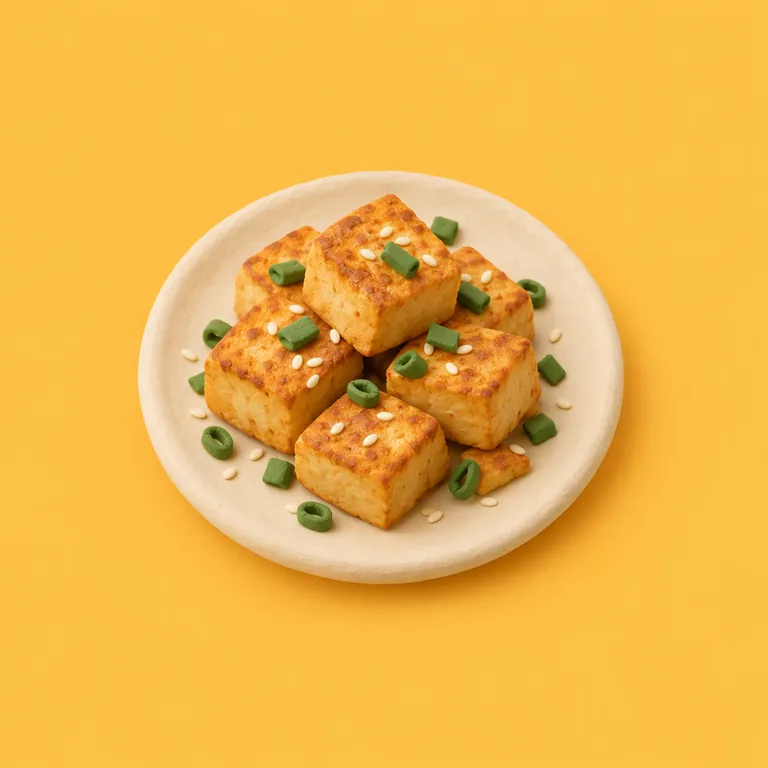 TofuEveryday soy food; works in stir-fries, soups and grain bowls
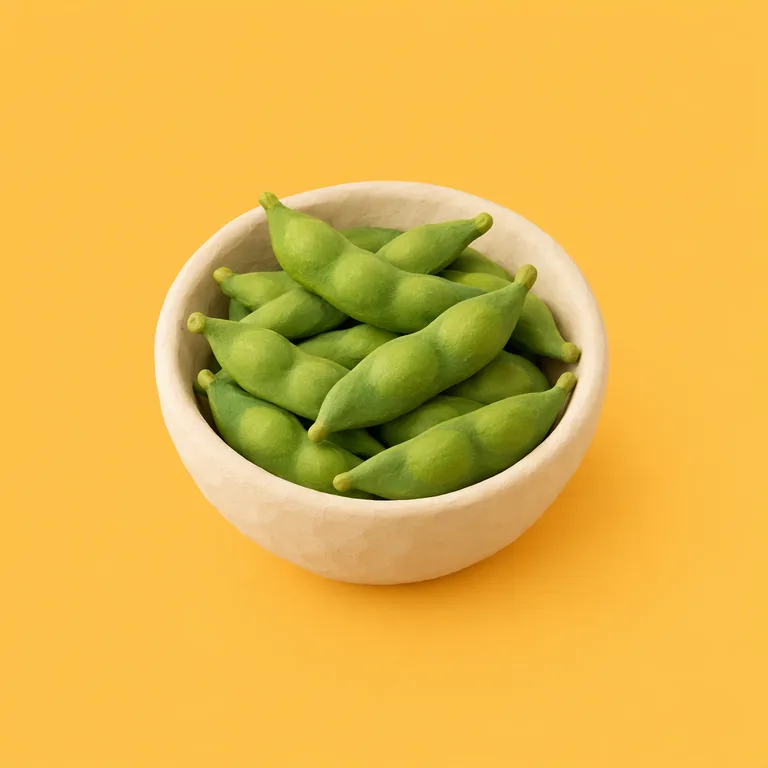 EdamameWhole soybeans, a soy food named in the review notes
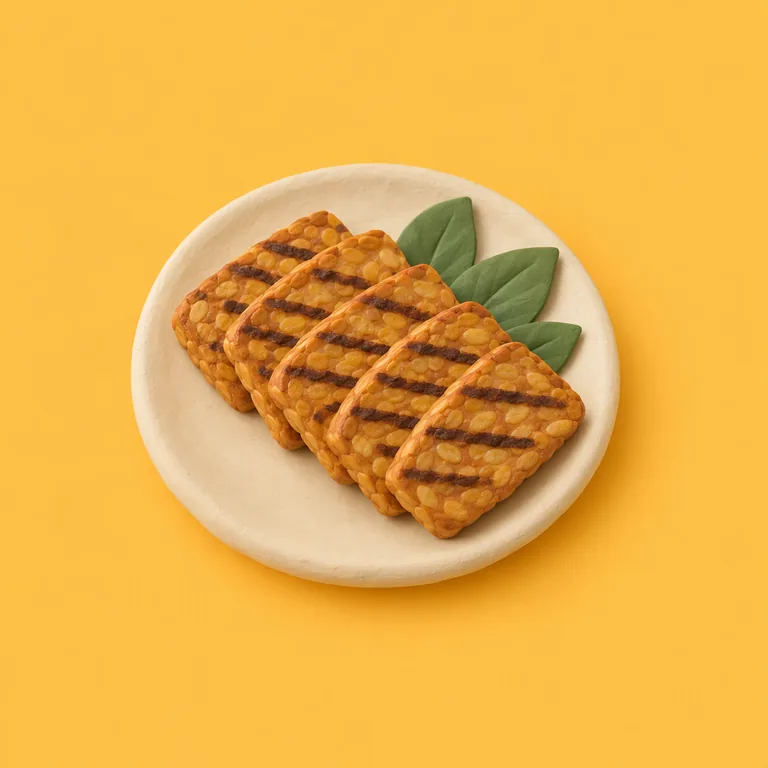 TempehAn everyday fermented soy food
Make it yours
Research is general. Alma builds yours.
- Meals fit to your goal and the foods you like
- Log a meal by photo, voice or text in about 10 seconds
- Every meal gets an Alma Score from 0 to 100

Questions
What else do people ask?
Do soy foods help with hot flashes?
Results are mixed. A 2026 review of 15 dietary trials found soy-based diets may reduce hot flash frequency and severity, but overall vasomotor symptoms did not change clearly and the certainty of evidence was very low.
Do isoflavones act like estrogen in the body?
A 2024 meta-analysis of 40 trials in 3,285 postmenopausal women found no significant effect on endometrial thickness, vaginal maturation index, FSH or estradiol. A 2025 meta-analysis of 47 trials found a small rise in estradiol, so results differ.
Is soy linked with bone or heart health?
A 2023 meta-analysis of 63 trials found small gains in bone mineral density with isoflavone interventions. A large US cohort linked higher tofu and isoflavone intake with a moderately lower risk of coronary heart disease. Cohorts cannot confirm the food drove the link, and neither study tracked menopause symptoms.
Are soy foods the same as isoflavone supplements?
Trials differ. Some test whole soy foods and others test isoflavone extracts, with different doses and lengths, which makes pooled results hard to compare. The 2026 review in this digest covered food-based diets only.
Anyone with a history of breast cancer or another hormone-sensitive condition, or who takes thyroid medicine or hormone therapy, should check with a clinician before changing soy intake or starting isoflavone supplements.
Sources
Written by Alma from the papers below and last reviewed Nov 18, 2026. Each study was checked against its PubMed or journal record. This is general information, not medical advice. If you manage a health condition or take medication, check changes with your clinician. Editorial standards
- Dietary interventions for menopausal symptoms: a systematic review The American Journal of Clinical Nutrition, Nov 2026. DOI PubMed 42790873
- A dietary intervention for vasomotor symptoms of menopause: a randomized, controlled trial Menopause, Jan 2023. DOI PubMed 36253903
- Isoflavone intervention and its impact on bone mineral density in postmenopausal women: a systematic review and meta-analysis of randomized controlled trials Osteoporosis International, Mar 2024. DOI PubMed 37875614
- Isoflavone Intake and the Risk of Coronary Heart Disease in US Men and Women: Results From 3 Prospective Cohort Studies Circulation, Apr 2020. DOI PubMed 32200662
- Effect of Soy Isoflavones on Measures of Estrogenicity: A Systematic Review and Meta-Analysis of Randomized Controlled Trials Advances in Nutrition, Jan 2025. DOI PubMed 39433088
- Isoflavones improve vaginal atrophy, skin health, and sex-related hormones in postmenopausal women: a systematic review and meta-analysis of randomized controlled trials Menopause, Dec 2025. DOI PubMed 41117624
Get a week built around you.
Tell Alma your goal and the foods you like. It plans the meals and scores each one.