Low glycemic foods at 55 or less
What the number means, which foods score low, and how to build a plate.

What are low glycemic foods?
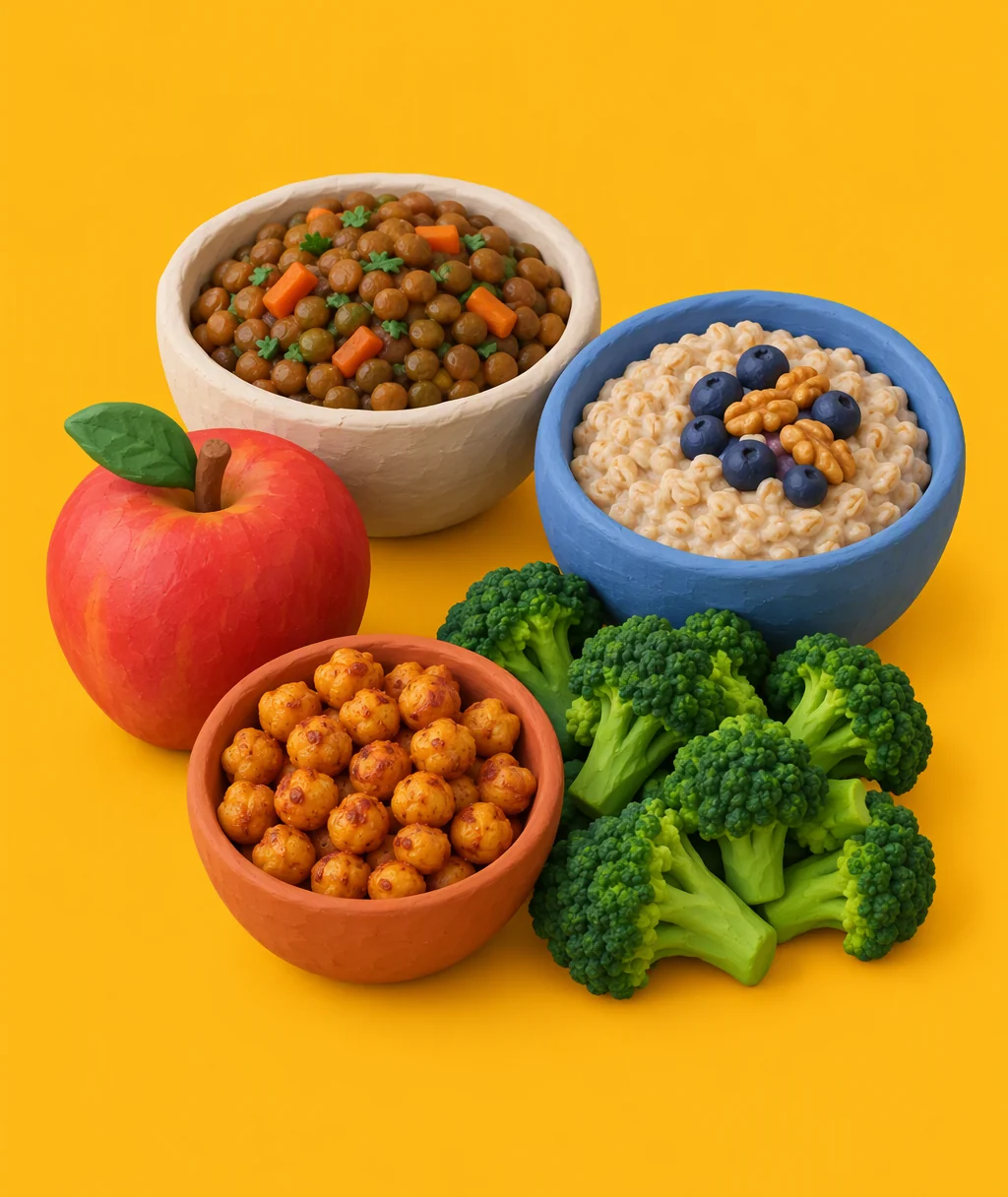
Low glycemic foods score 55 or less on the glycemic index, a 0 to 100 scale for how quickly and how much a carb food raises blood sugar. Harvard lists 56 to 69 as medium and 70 or higher as high. Beans, most fruits and vegetables, and minimally processed grains land low.1
Built from Harvard, the ADA and Cleveland Clinic advice. Reviewed November 17, 2026.Eat more
Eat more of these
Lentils and beans
Lentils, black beans or kidney beans in soup or a bowl.
10 or underglycemic load, Harvard1
Steel-cut oats
Cook them on the stove instead of using an instant packet.
55GI of steel-cut oats, Cleveland Clinic3
Chickpeas
Roasted for a snack or added to a salad bowl.3
Ease off
Ease off these
Instant oatmeal
One study put it in the high band. Steel-cut oats land low.
79GI of instant oatmeal, Cleveland Clinic3
White bread
Harvard Health suggests whole-grain bread as the swap.4
Sugary drinks
Soda and sports drinks sit in the high glycemic load group.
20 or moreglycemic load of a 12 oz drink, Harvard1
White rice and couscous
A 1 cup cooked serving of couscous or white basmati is high load.
20 or moreglycemic load per cup cooked, Harvard1
Alma turns these foods into meals that fit your numbers.

A sample day
One day on a plate
See the sample day, meal by meal
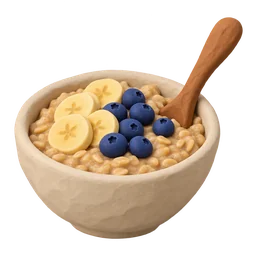 BreakfastSteel-cut oats with almondsOats cooked on the stove, topped with almonds.
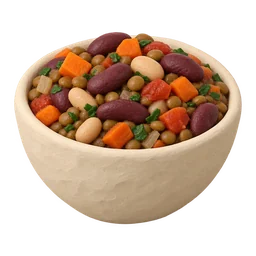 LunchLentil and chickpea bowlLentils, chickpeas, spinach and olive oil.
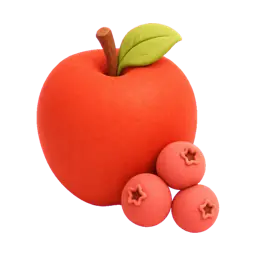 SnackApple with peanut butterA whole apple and a spoon of peanut butter.
 DinnerSalmon with barley and broccoliBaked salmon, pearl barley and steamed broccoli.

Glycemic index bands4
Glycemic load bands: 10 or under low, 11 to 19 medium, 20 or more high.

What else do people ask?
What are low GI foods?
Low GI foods score 55 or less on the glycemic index. Harvard Health lists most fruits and vegetables, beans, minimally processed grains, pasta, low-fat dairy and nuts in that band. Medium is 56 to 69 and high is 70 or higher.
Which low glycemic index foods are good for diabetics?
The American Diabetes Association puts non-starchy vegetables first, at half the plate, then whole carbs such as beans, lentils, whole grains and fruit. It says to eat less refined carbs like white bread, white rice and sugary drinks. Ask your care team what suits you.
What are low glycemic index foods, fruits included?
Cleveland Clinic lists apples, bananas, mangoes, oranges, pears and strawberries at 55 or less. Pineapple sits in the medium band. Harvard notes ripe fruit tends to have a higher GI than unripe fruit.
What are low glycemic foods, vegetables included?
Cleveland Clinic lists broccoli, carrots, eggplant, lettuce, peppers and tomatoes at 55 or less. Sweet potato is in the medium band, and mashed potatoes are in the high band.
What does glycemic load add?
Glycemic load multiplies the GI by the carbohydrate in a serving. Harvard rates 10 or under as low, 11 to 19 as medium and 20 or more as high. Oatmeal at 1 cup cooked is medium, and lentils are low.
Does cooking or ripeness change GI?
Yes. Harvard says processing, ripeness, fiber, and fat or acid in a meal all shift GI. Cleveland Clinic says GI figures are imperfect for that reason, with instant oatmeal at 79 and steel-cut oats at 55.
This guide is general education. Talk with your clinician before changing your diet or medicines, especially if you take diabetes medicine.