


Choline in pregnancy, what 2022 to 2026 found.
In these studies, most pregnant women ate less choline than the adequate intake.Last reviewed Nov 18, 2026
- Studies
- 6
- People studied
- 6,788
- Trials and reviews
- 2
- Last reviewed
- Nov 18, 2026
The short answer
The adequate intake of choline in pregnancy is 450 mg a day, and most women in these studies fell short. One 2026 trial of phosphatidylcholine found higher IQ scores at age 4, but IQ was a secondary outcome and attention, the main outcome, was not significant.
What the studies cover
Evidence at a glance
Child IQ at age 4
One trial of 142 children found about 8 points higher; a secondary outcome.
Too early to sayStudy: Oct 2026
Infant development
Higher intake was linked with higher development scores to 6 months.
Linked with benefitStudy: Jan 2026
Neural tube defects
Low maternal choline was linked with higher odds (OR 1.36); the interval crosses 1.
Linked with benefitStudy: Dec 2022
Inflammation markers
No main link with three markers; combined methyl donors were linked with lower IL-6.
No clear effectStudy: Jun 2025
Placenta
In 76 women, higher intake was linked with lower placental transporter gene activity.
Too early to sayStudy: Sep 2025
Strength comes from study design and how many studies back the row. Observational studies show links, not cause.
The basics
Overview
What is choline?
Choline is a nutrient found in eggs, beef, chicken, fish and soybeans. The NIH lists an adequate intake of 450 mg a day in pregnancy.
What does the research show?
In a 2026 trial, children of mothers given phosphatidylcholine scored about 8 IQ points higher at age 4. The trial's main outcome, attention, was not significant. A 2022 review linked low maternal choline with higher odds of neural tube defects (pooled odds ratio 1.36).
More questions (2)
What are the drawbacks or open questions?
The IQ result was a secondary outcome, and the other studies are observational. A small cohort of 76 women linked higher choline intake with lower placental glucose transporter gene activity, and that finding is early.
What does it mean for your plate?
Only about 20% of women in one cohort reached 450 mg, and 1.56% did in another. About 1 in 10 took a choline supplement, so most choline came from food.
2022 to 2026
The studies
Each one is dated and linked to the paper. Tap details for the people studied and the abstract line.
- American Journal of Obstetrics and Gynecology
Children of mothers given phosphatidylcholine scored about 8 IQ points higher at age 4, a secondary outcome. The attention problem outcome was not significant.
Randomized trialModerateShow detailsHide details
206 women randomized, 142 children assessed, from 16 weeks of pregnancy; children to age 4
Prenatal phosphatidylcholine supplements compared with placebo resulted in fewer children with multiple or pervasive withdrawn problems and increased Wechsler Preschool and Primary Scale of Intelligence-Fourth Edition Full Scale Intelligence Quotient (mean difference, 7.78; 95% confidence interval, 1.88-13.7) (P=.010).
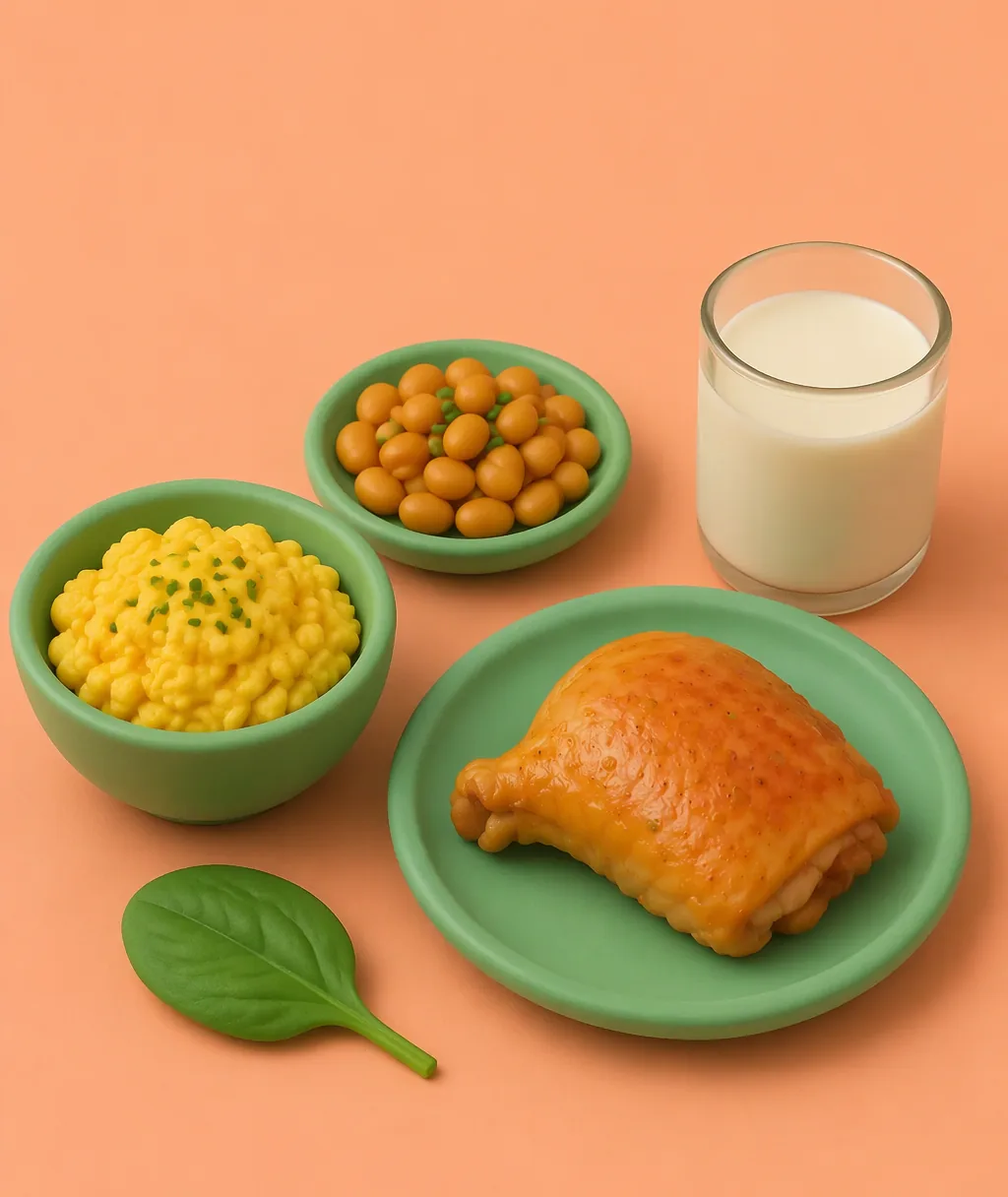
On your plateEggs, beef, chicken, fish and soybeans are among the richest everyday food sources of choline.
- European Journal of Nutrition
Only 1.56% of women met the adequate intake. Choline intake was linked with infant development scores to 6 months; no causal claim.
Cohort studyLimitedShow detailsHide details
256 mother-infant pairs in China, infants followed to 6 months
Maternal dietary choline intake was significantly associated with intelligence scores, MDI and PDI in infants.
On your plateEggs are one of the richest food sources; beef, chicken, fish and soybeans also supply choline.
- Clinical Nutrition
Higher choline intake was linked with lower placental glucose transporter and leptin gene activity. A choline metabolite was linked with lower birth weight.
Cohort studyLimitedShow detailsHide details
40 women with and 36 without gestational diabetes, sampled at 25 to 33 weeks and at delivery
In conclusion, maternal choline intakes demonstrated negative associations with placental macronutrient transporters and triglyceride contents.
On your plateCholine comes from everyday foods such as eggs, chicken, fish and soybeans.
Dots rate the study design and size, from early signal to very strong.
Everyday foods
On your plate
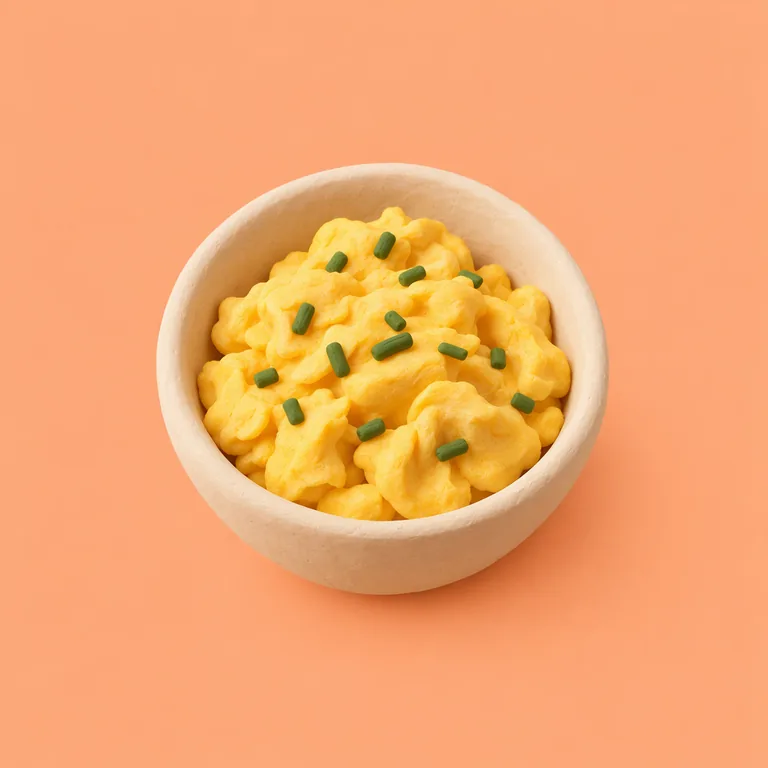 Scrambled eggsEggs are one of the richest food sources of choline
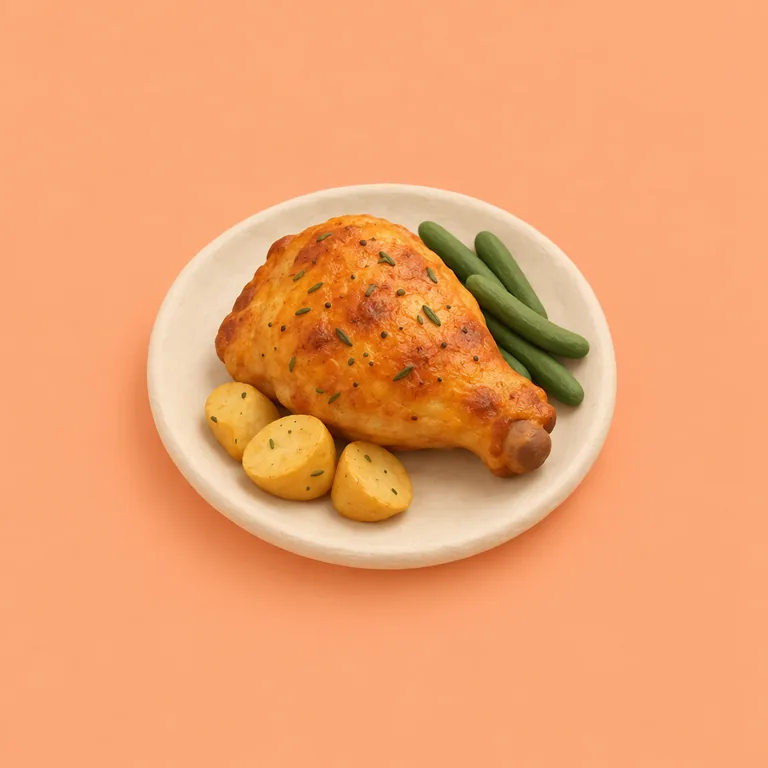 Roast chickenChicken supplies choline alongside protein
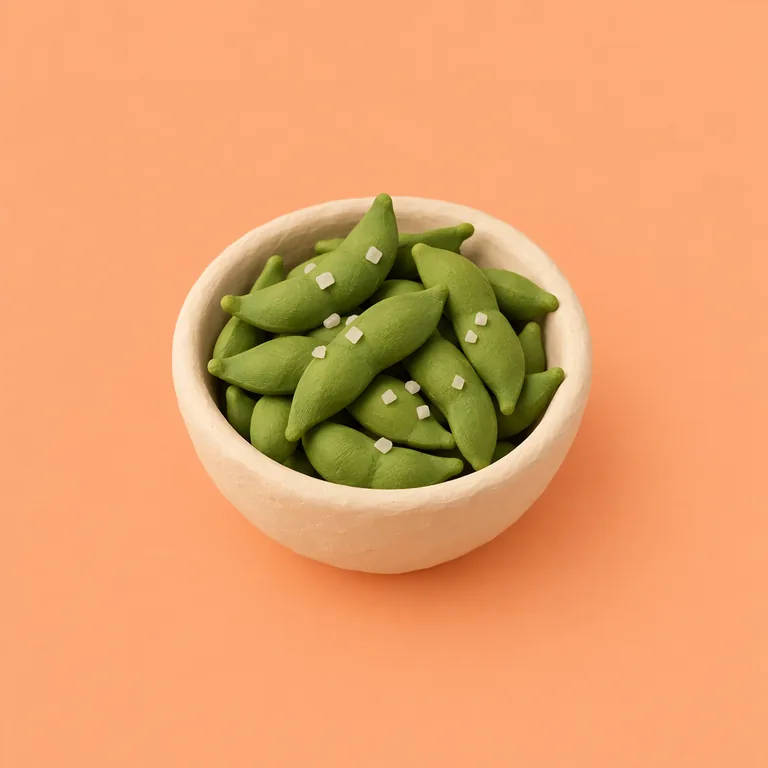 EdamameSoybeans are among the richest sources
Make it yours
Research is general. Alma builds yours.
- Meals fit to your goal and the foods you like
- Log a meal by photo, voice or text in about 10 seconds
- Every meal gets an Alma Score from 0 to 100

Questions
What else do people ask?
How much choline do pregnant women need?
The NIH Office of Dietary Supplements lists an adequate intake of 450 mg a day in pregnancy, with an upper limit of 3,000 mg for ages 14 to 18 and 3,500 mg for adults. Most women in the studies here fell short of 450 mg.
Which foods contain choline?
Eggs, beef, chicken, fish and soybeans are among the richest sources listed by the NIH Office of Dietary Supplements. Prenatal vitamins often contain little or no choline, so labels differ.
Does choline in pregnancy raise a child's IQ?
One 2026 randomized trial found higher IQ scores at age 4 after a high dose of phosphatidylcholine, but IQ was a secondary outcome, and about a third of the women were lost before the 4-year assessments. The other studies here are observational and cannot show that choline made the difference.
Choline supplements, especially at high doses, can bring side effects such as fishy body odor. Anyone pregnant should check any supplement with their obstetric clinician first.
Sources
Written by Alma from the papers below and last reviewed Nov 18, 2026. Each study was checked against its PubMed or journal record. This is general information, not medical advice. If you manage a health condition or take medication, check changes with your clinician. Editorial standards
- Prenatal maternal phosphatidylcholine and children's behavior and cognition through 4 years of age: a randomized clinical trial American Journal of Obstetrics and Gynecology, Oct 2026. DOI PubMed 42896815
- Association of dietary choline intake in late pregnancy with the early neurobehavioral development of offspring European Journal of Nutrition, Jan 2026. DOI PubMed 41543550
- Associations of choline intake and metabolite status with fetal growth outcomes and placental macronutrient transport in pregnancies with or without gestational diabetes mellitus Clinical Nutrition, Sep 2025. DOI PubMed 40780129
- The Interplay of Dietary Choline and Methyl Donors in Modulating Maternal Inflammation: Insights from Project Viva The Journal of Nutrition, Jun 2025. DOI PubMed 40334784
- Dynamic Metabolic Signatures of Choline and Carnitine across Healthy Pregnancy and in Cord Blood: Association with Maternal Dietary Protein The Journal of Nutrition, Apr 2023. DOI PubMed 36780943
- Association between Maternal Choline, Fetal Brain Development, and Child Neurocognition: Systematic Review and Meta-Analysis of Human Studies Advances in Nutrition, Dec 2022. DOI PubMed 36041182
- NIH Office of Dietary Supplements: Choline fact sheet
Get a week built around you.
Tell Alma your goal and the foods you like. It plans the meals and scores each one.