


Caffeine in pregnancy, what 2021 to 2026 found.
ACOG says under 200 mg a day does not appear to be a major factor in miscarriage or preterm birth.Last reviewed Nov 18, 2026
- Studies
- 6
- People studied
- 266K
- Trials and reviews
- 0
- Last reviewed
- Nov 18, 2026
The short answer
ACOG says under 200 mg a day does not appear to be a major factor in miscarriage or preterm birth. Genetic and cohort studies here mostly agree. Two US cohorts linked even low caffeine with slightly smaller babies and children.
What the studies cover
Evidence at a glance
Miscarriage and preterm birth
Genetic analyses found no change in risk with coffee intake.
No clear effectStudy: Feb 2023
Stillbirth and blood pressure
No link with 200 mg a day or more, or with blood caffeine byproducts.
No clear effectNewborn size
Higher blood caffeine was linked with slightly smaller newborns, about 84 g.
Linked with benefitStudy: Mar 2021
Child height
Higher caffeine was linked with shorter stature at ages 4 to 8; meaning unclear.
Linked with benefitStudy: Oct 2022
Child attention and social skills
Links vanished after adjustment; one genetic test hinted at a social effect that faded.
No clear effectStudy: Sep 2024
Strength comes from study design and how many studies back the row. Observational studies show links, not cause.
The basics
Overview
What is caffeine in pregnancy?
Caffeine is a stimulant in coffee, tea, cola, chocolate and energy drinks. A half cup of coffee holds roughly 50 mg. No study here sets a safe limit.
What does the research show?
A 2023 genetic study of up to 194,196 women found no change in miscarriage, stillbirth or preterm birth risk with coffee. A 2026 cohort of 7,345 first-time mothers found no link between 200 mg a day or more and stillbirth, blood pressure disorders, preterm birth or small babies.
More questions (2)
What are the drawbacks or open questions?
Two US cohorts linked low caffeine with smaller newborns and shorter children. In one, the top blood-level quartile had newborns about 84 g lighter, and the clinical meaning is unclear. None of the cohort studies here measured miscarriage.
What does it mean for your plate?
Caffeine adds up across coffee, tea, cola and chocolate. Decaf coffee and herbal teas such as ginger or peppermint contain little or no caffeine.
2021 to 2026
The studies
Each one is dated and linked to the paper. Tap details for the people studied and the abstract line.
- International Journal of Epidemiology
Genetic analyses found no change in miscarriage, stillbirth or preterm birth risk with coffee intake. A link with higher birthweight was inconsistent.
Genetic studyModerateShow detailsHide details
Up to 194,196 UK Biobank women, plus other genetic datasets, lifelong genetic exposure, outcomes at birth
Both the two-sample MR and one-sample GRS analyses showed no change in risk of sporadic miscarriages, stillbirths, pre-term birth or effect on gestational age connected to coffee consumption.
On your plateCoffee, tea, cola and chocolate all contain caffeine, so the daily total adds up across the day.
- International Journal of Epidemiology
High caffeine byproduct levels in blood were not independently linked with any outcome studied, and were confounded by smoking.
Cohort studyLimitedShow detailsHide details
915 pregnant women, caffeine byproduct in blood, blood samples at 12, 20, 28 and 36 weeks
High levels of paraxanthine were not independently associated with any of the studied outcomes and were confounded by smoking.
On your plateTea, cola and chocolate carry caffeine too, and labels on energy drinks list it.
- BJOG: An International Journal of Obstetrics & Gynaecology
Intake of 200 mg a day or more was not linked with higher odds of stillbirth, high blood pressure disorders, preterm birth or small babies.
Cohort studyModerateShow detailsHide details
7,345 first-time mothers in the US, intake around conception, to delivery
High caffeine intake assessed in the periconceptual period was not associated with the risk of APO.
On your plateA cup of coffee varies widely in caffeine, so the label or café menu is the best guide.
Dots rate the study design and size, from early signal to very strong.
Everyday foods
On your plate
 Decaf coffeeContains little or no caffeine
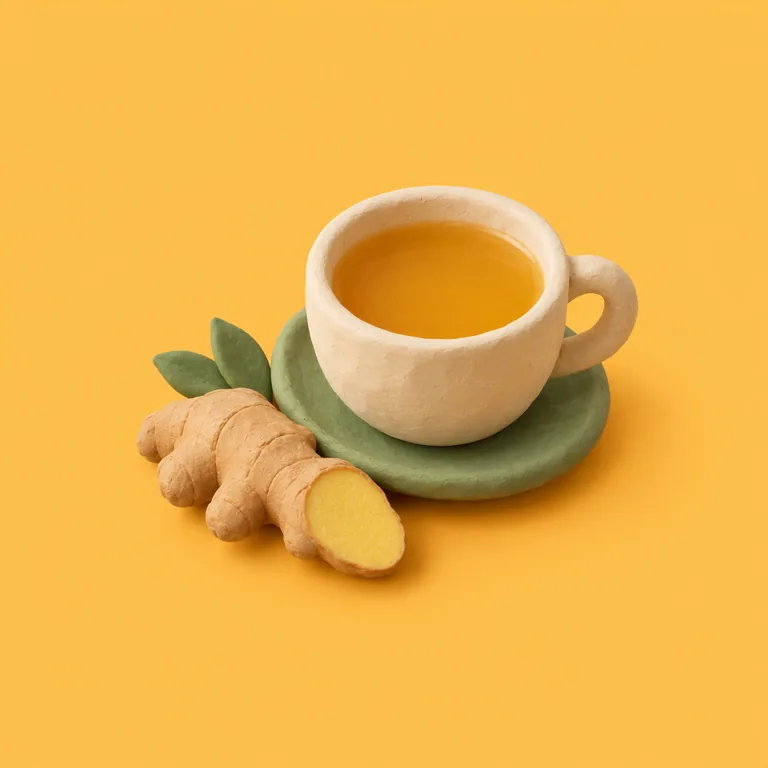 Ginger teaHerbal tea with little or no caffeine
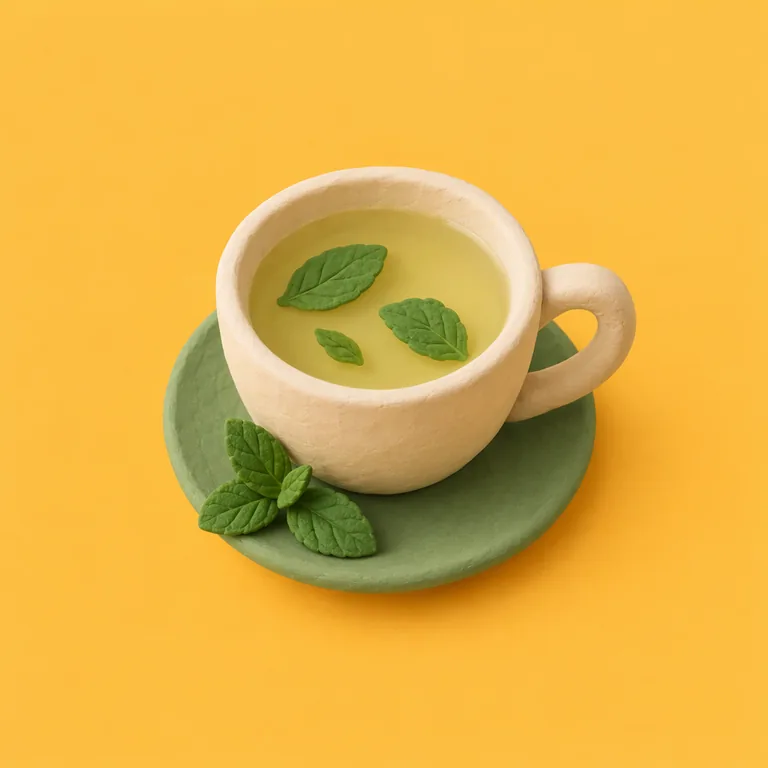 Peppermint teaHerbal tea with little or no caffeine
Make it yours
Research is general. Alma builds yours.
- Meals fit to your goal and the foods you like
- Log a meal by photo, voice or text in about 10 seconds
- Every meal gets an Alma Score from 0 to 100

Questions
What else do people ask?
How much caffeine is OK in pregnancy?
ACOG says moderate intake, under 200 mg a day, does not appear to be a major contributing factor in miscarriage or preterm birth. It adds that the link with growth restriction is undetermined and that no final conclusion exists for high intake and miscarriage.
Did newer research change that advice?
ACOG's opinion dates from 2010 and was reaffirmed in 2026. A 2022 genetic study found no change in miscarriage or preterm birth risk with coffee, while US cohorts from 2021 and 2022 linked even low caffeine with slightly smaller babies and children. The evidence is mixed.
Is caffeine linked with miscarriage?
ACOG could not reach a final conclusion on high intake and miscarriage. The 2022 genetic study here found no change in sporadic miscarriage risk tied to coffee. None of the cohort studies on this page measured miscarriage.
Anyone with a past miscarriage, high blood pressure in pregnancy or a small baby should ask their obstetric clinician how much caffeine suits them, since studies average across many people.
Sources
Written by Alma from the papers below and last reviewed Nov 18, 2026. Each study was checked against its PubMed or journal record. This is general information, not medical advice. If you manage a health condition or take medication, check changes with your clinician. Editorial standards
- Mendelian randomization study of maternal coffee consumption and its influence on birthweight, stillbirth, miscarriage, gestational age and pre-term birth International Journal of Epidemiology, Feb 2023. DOI PubMed 35679582
- Objective measures of smoking and caffeine intake and the risk of adverse pregnancy outcomes International Journal of Epidemiology, Dec 2023. DOI PubMed 37759082
- Periconceptual Caffeine Intake and Adverse Pregnancy Outcomes: Results From the nuMoM2b Cohort BJOG: An International Journal of Obstetrics & Gynaecology, Jan 2026. DOI PubMed 40987719
- Association of Maternal Caffeine Consumption During Pregnancy With Child Growth JAMA Network Open, Oct 2022. DOI PubMed 36315142
- Mendelian randomization analysis of maternal coffee consumption during pregnancy on offspring neurodevelopmental difficulties in the Norwegian Mother, Father and Child Cohort Study (MoBa) Psychological Medicine, Sep 2024. DOI PubMed 39382486
- Association Between Maternal Caffeine Consumption and Metabolism and Neonatal Anthropometry: A Secondary Analysis of the NICHD Fetal Growth Studies-Singletons JAMA Network Open, Mar 2021. DOI PubMed 33764424
- ACOG: Moderate Caffeine Consumption During Pregnancy
Get a week built around you.
Tell Alma your goal and the foods you like. It plans the meals and scores each one.