


Omega-3 and pregnancy, two threads, one honest gap.
Trials link omega-3 with fewer preterm births and lower depression scores.Last reviewed Nov 18, 2026
- Studies
- 7
- People studied
- 116K
- Trials and reviews
- 6
- Last reviewed
- Nov 18, 2026
The short answer
A 2018 Cochrane review of 70 trials found fewer preterm births with omega-3 (13.4% versus 11.9%), but more births past 42 weeks. Pooled trials also point to lower depression scores. Child follow-ups disagree.
What the studies cover
Evidence at a glance
Preterm birth
13.4% to 11.9% in 70 trials; early preterm birth also fell.
HelpsDepression symptoms
Eight trials pooled showed gains, mostly with EPA and mild to moderate cases; one larger was mixed.
Helps a littlePostpartum depression
Higher pre-conception intake was linked with less; the trend faded above 2 g a day.
Linked with benefitStudy: Oct 2024
Child growth at 10 to 11
A 2.4 g trial found higher BMI at 10; a 400 mg DHA trial found no metabolic difference at 11.
Too early to say
Strength comes from study design and how many studies back the row. Observational studies show links, not cause.
The basics
Overview
What is omega-3?
Omega-3 fats include EPA and DHA from fatty fish such as salmon and sardines, and ALA from walnuts, flaxseed and chia. Trials in pregnancy have tested DHA or fish oil supplements.
What does the research show?
A 2018 Cochrane review of 70 trials (19,927 women) found fewer preterm births, 13.4% versus 11.9%. A pooled analysis of 8 trials (638 women) found omega-3 improved depression symptoms in pregnant and postpartum women. The depression benefit was linked to EPA-rich formulas and mild to moderate depression.
More questions (2)
What are the drawbacks or open questions?
The same Cochrane review found probably more births after 42 weeks, 1.6% versus 2.6%. Child follow-ups disagree, and no trial here tests preterm birth and mood in the same women.
What does it mean for your plate?
Salmon, sardines and trout supply EPA and DHA. Walnuts, flaxseed and chia add plant omega-3 (ALA).
2018 to 2026
Two lines of research
Each one is dated and linked to the paper. Tap details for the people studied and the abstract line.
Omega-3 in pregnancy
Preterm birth and child outcomes after DHA or fish oil in pregnancy
- Cochrane Database of Systematic Reviews
Omega-3 lowered preterm birth (13.4% to 11.9%) and early preterm birth, but probably raised births after 42 weeks (1.6% to 2.6%).
Cochrane reviewVery strongShow detailsHide details
70 trials, 19,927 women, trials of omega-3 during pregnancy
In the overall analysis, preterm birth < 37 weeks and early preterm birth < 34 weeks were reduced in women receiving omega-3 LCPUFA compared with no omega-3.
On your plateSalmon, sardines and trout are everyday food sources of omega-3 fats.
- Clinical Nutrition
In a model-based adherence analysis (partly post hoc), early preterm birth was 1.2% with 1,000 mg DHA taken as assigned versus 3.45% with 200 mg.
Randomized trialStrongShow detailsHide details
1,100 women with singleton pregnancies, from before 20 weeks of pregnancy to delivery
Using the Bayesian model, EPTB was reduced by 65%, from 3.45% to 1.2%, using both cut points.
On your plateFatty fish such as salmon and sardines are food sources of DHA.
- The American Journal of Clinical Nutrition
At age 10, children of mothers given 2.4 g fish oil had higher BMI and borderline higher odds of overweight (OR 1.53). Replication is needed.
Randomized trialModerateShow detailsHide details
736 pregnant women and their children in Denmark, from week 24 of pregnancy; children to age 10
In this randomized clinical trial, children of mothers receiving n-3 LCPUFA supplementation had increased BMI at age 10 y, increased risk of being overweight, and a tendency of increased fat percentage and higher metabolic syndrome score.
On your plateWalnuts, flaxseed and chia add plant omega-3 (ALA); fatty fish adds EPA and DHA.
Mood in and after pregnancy
Omega-3 and depression symptoms during pregnancy and after birth
Dots rate the study design and size, from early signal to very strong.
Omega-3 in pregnancy + Mood in and after pregnancy
Where they meet
What the studies show
Omega-3 in pregnancy has been tested in many trials for preterm birth, and in a smaller set for perinatal depression.
Not tested together yet
None of the trials on this page tests omega-3 for preterm birth and for mood in the same women.
The mood trials pooled only 8 studies and 638 women, and the largest single trial here found a modest effect.
Everyday foods
On your plate
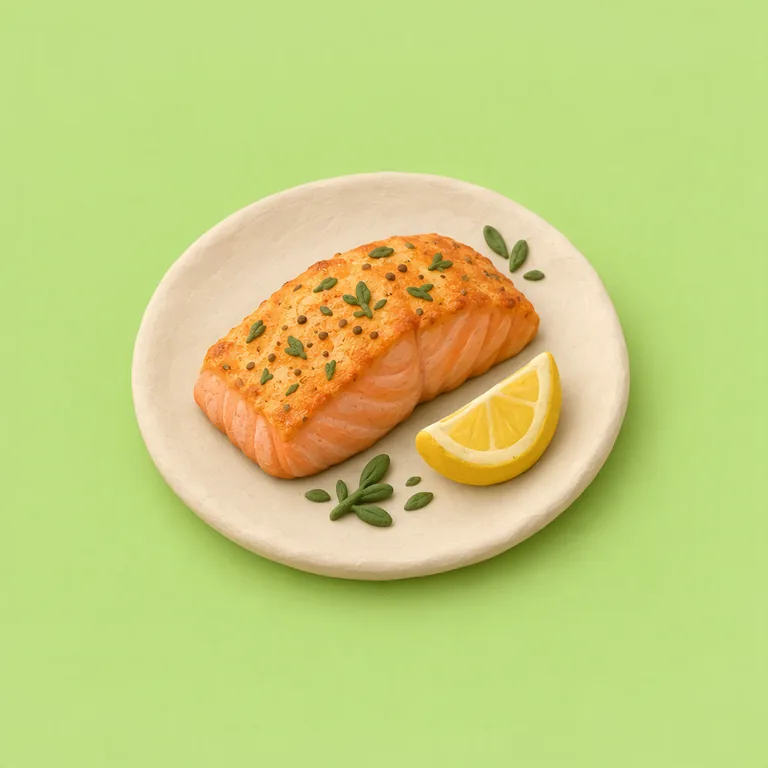 Baked salmonA food source of EPA and DHA
 WalnutsAdd plant omega-3 (ALA)
 Chia puddingChia adds plant omega-3 (ALA)

Make it yours
Research is general. Alma builds yours.
- Meals fit to your goal and the foods you like
- Log a meal by photo, voice or text in about 10 seconds
- Every meal gets an Alma Score from 0 to 100


Questions
What else do people ask?
Does omega-3 lower the risk of preterm birth?
A 2018 Cochrane review of 70 trials found fewer preterm births (13.4% versus 11.9%) and fewer early preterm births with omega-3, but more births past 42 weeks. A 2023 trial analysis, partly post hoc, pointed the same way in women who took the assigned dose.
Is omega-3 linked with less depression after birth?
Pooled trials and a large Japanese cohort point that way, but the trials are small and a 2021 trial found only a modest effect. None of these studies compared omega-3 with usual care. The 2018 Cochrane review found no clear effect on postnatal depression (2 trials, RR 0.99, low quality).
What about the child's long-term health?
Two trial follow-ups here disagree. A Danish trial found higher BMI at age 10 after fish oil in pregnancy, while a Mexican trial found no overall difference in metabolic scores at age 11. More follow-up is needed.
Anyone pregnant or with a history of depression should talk with a clinician about omega-3 supplements, fish choices and mood symptoms. Low mood after birth deserves prompt care.
Sources
Written by Alma from the papers below and last reviewed Nov 18, 2026. Each study was checked against its PubMed or journal record. This is general information, not medical advice. If you manage a health condition or take medication, check changes with your clinician. Editorial standards
- Omega-3 fatty acid addition during pregnancy Cochrane Database of Systematic Reviews, Nov 2018. DOI PubMed 30480773
- Early and late preterm birth rates in participants adherent to randomly assigned high dose docosahexaenoic acid (DHA) supplementation in pregnancy Clinical Nutrition, Feb 2023. DOI PubMed 36680919
- Fish oil supplementation during pregnancy, anthropometrics, and metabolic health at age ten: A randomized clinical trial The American Journal of Clinical Nutrition, Apr 2024. DOI PubMed 38569788
- Effects of prenatal docosahexaenoic acid supplementation on offspring cardiometabolic health at 11 years differs by maternal single nucleotide polymorphism rs174602: follow-up of a randomized controlled trial in Mexico The American Journal of Clinical Nutrition, Dec 2023. DOI PubMed 37839707
- The efficacy and safety of omega-3 fatty acids on depressive symptoms in perinatal women: a meta-analysis of randomized placebo-controlled trials Translational Psychiatry, Jun 2020. DOI PubMed 32555188
- The efficacy of probiotics and/or n-3 long-chain polyunsaturated fatty acids intervention on maternal prenatal and postnatal depressive and anxiety symptoms among overweight and obese women Journal of Affective Disorders, Jun 2021. DOI PubMed 33930612
- Periconceptional omega-6 and omega-3 polyunsaturated fatty acid intake plane and postpartum depression: a nationwide birth cohort-the Japan Environment and Children's Study American Journal of Epidemiology, Oct 2024. DOI PubMed 39428426

Get a week built around you.
Tell Alma your goal and the foods you like. It plans the meals and scores each one.