Menopause weight gain what to eat
Food ideas for menopause, built on protein, fiber and vegetables.
What should you eat for menopause weight gain?
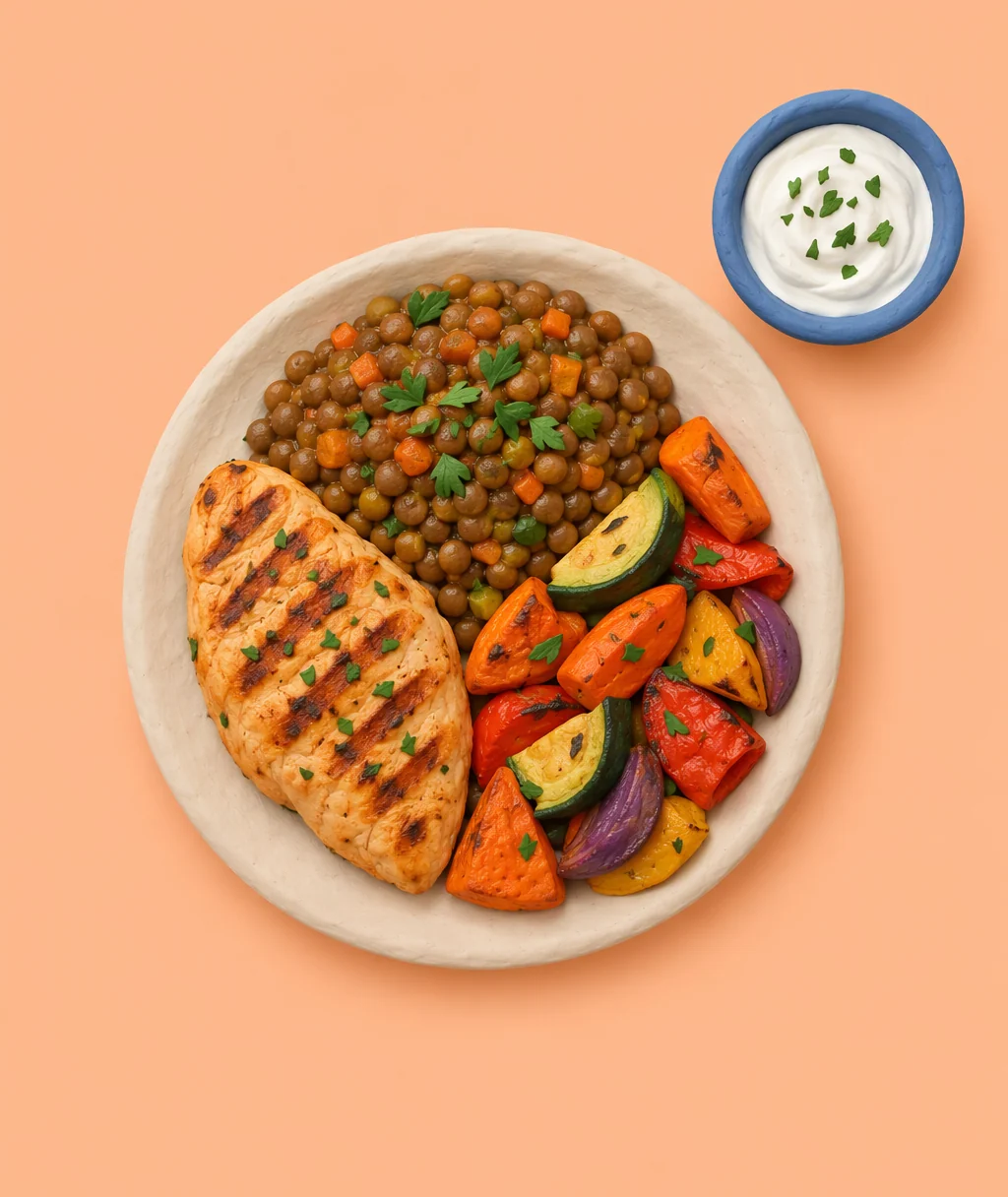
Start with protein at every meal and plenty of vegetables. Cleveland Clinic advice for menopause is to include chicken, fish, lentils, low-fat yogurt or eggs, eat vegetables regularly, and cut back on processed foods and added sugars. Keep bread, pasta and pastries in check, and limit alcohol.1
Built from Menopause Society, Cleveland Clinic, NHS, Harvard advice. Reviewed November 13, 2026.Eat more
Eat more of these
Protein at every meal
Chicken, fish, lentils, yogurt or eggs, spread across the day.
1.2 gof protein per kg daily, Menopause Society2
Beans and lentils
Add chickpeas, lentils or black beans to soups and bowls.
25 to 35 gfiber a day, Harvard3
Ease off
Ease off these
White bread and rice
Swap for whole grain bread, brown rice or oats.
2 servingsof whole grains a day, Harvard8
Alma turns these foods into meals that fit your numbers.
Build my planGet Alma on AndroidGet the appA sample day
One day on a plate
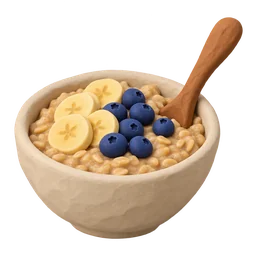 BreakfastOats with yogurt and berriesRolled oats, plain Greek yogurt, blueberries.
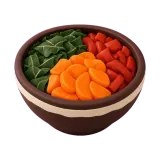 LunchChicken and lentil bowlGrilled chicken, lentils, roasted peppers, olive oil.
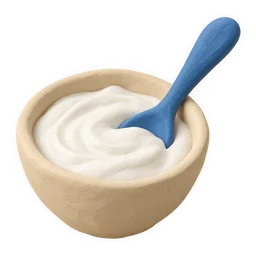 SnackYogurt with almondsPlain Greek yogurt, a few almonds, cinnamon.
 DinnerSalmon with vegetablesBaked salmon, broccoli and brown rice.
What people ask
What does a menopause diet look like for weight gain?
Build meals from lean protein, vegetables, beans and whole grains. Cleveland Clinic guidance for menopause lists chicken, turkey, fish, lentils, low-fat yogurt and eggs, regular vegetables, and fewer processed foods and added sugars.
How much protein should a diet for menopause include?
The Menopause Society suggests 1.2 g of protein per kilogram of body weight a day, because protein helps preserve muscle. Spread it across meals: yogurt or eggs at breakfast, lentils or chicken at lunch, fish at dinner.
Does a diet for menopause need to cut out bread?
Trim it rather than ban it. Cleveland Clinic suggests being mindful of starchy carbohydrates such as bread, pasta and baked goods, and Harvard advice is to replace refined grains with whole grains, aiming for at least 2 servings of whole grains a day.
How much fiber belongs in a menopause diet?
Aim for 25 to 35 g a day from beans, lentils, whole grains, vegetables and fruit. Harvard notes most Americans get only about 15 g, so adding one bean dish a day is a simple start.
Is alcohol an issue at menopause?
NHS advice is not to drink more than 14 units a week on a regular basis, spread over 3 or more days, and to have several drink-free days. Cleveland Clinic suggests limiting or avoiding alcohol around menopause.
Is weight gain at menopause only about food?
No. The Menopause Society says aging is the main driver: muscle mass falls 3% to 8% each decade after 30, and lower estrogen shifts where fat is stored. It suggests strength training twice a week plus 150 minutes of activity.
Sources (8)
- Cleveland Clinic, Menopause weight gain: why it happens and what to do
- The Menopause Society, Midlife weight gain
- Harvard T.H. Chan School of Public Health, Fiber
- NHS, Fish and shellfish
- NHS, Why 5 A Day
- Harvard T.H. Chan School of Public Health, Added sugar
- NHS, The risks of drinking too much
- Harvard T.H. Chan School of Public Health, Whole grains
This guide is general education. Talk with your clinician before changing your diet or medicines.