GLP-1 and muscle protein first
Protein foods and small meals that help keep muscle in the picture.
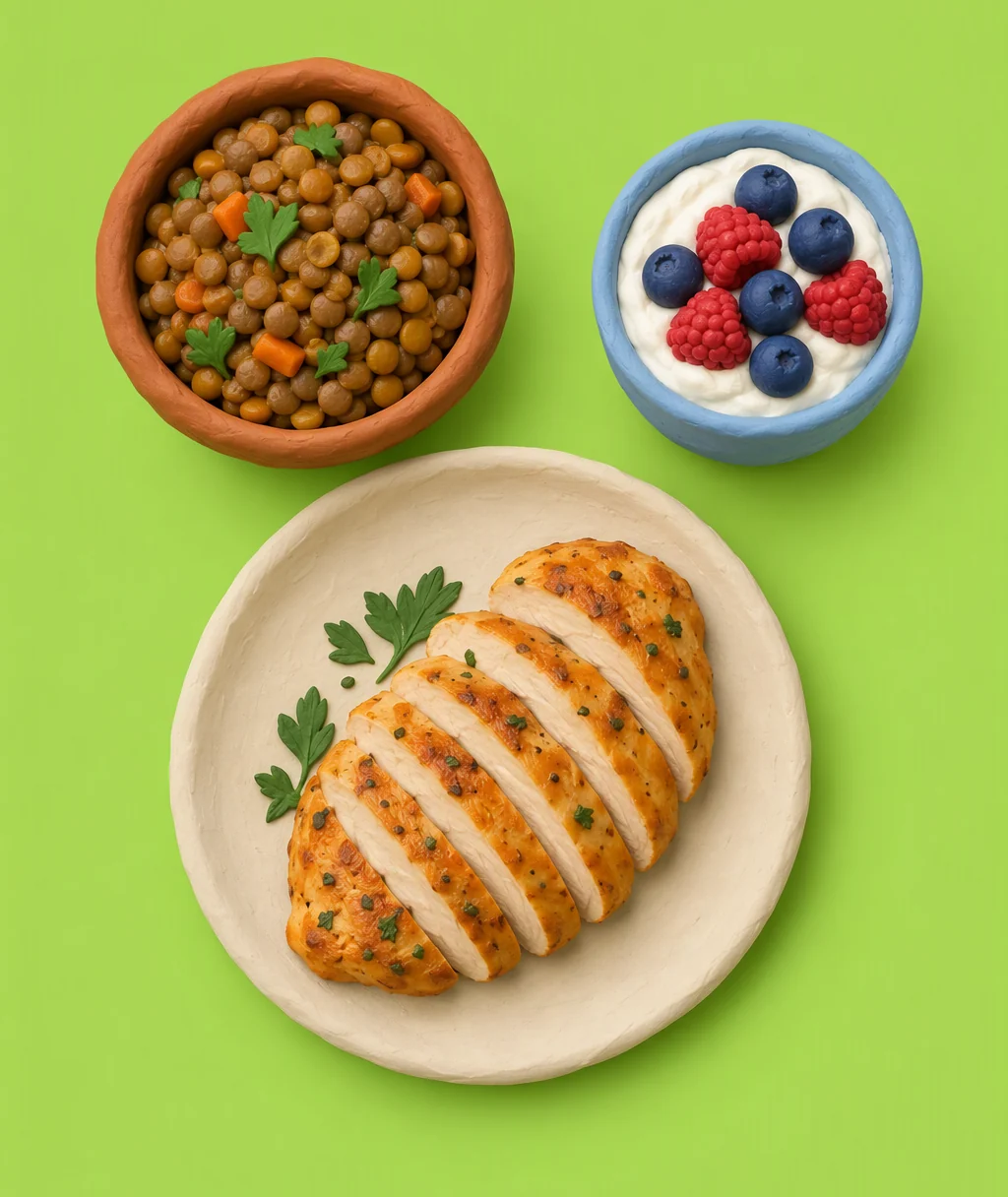

How much protein do you need on a GLP-1 medicine?
A joint advisory suggests a daily target of 80 to 120 g of protein, spread over small meals with protein first. It also says protein alone is not enough to keep muscle, so strength training matters too. Ask your clinician or a dietitian what suits you.1
Built from Joint advisory, Harvard, Cleveland Clinic, NHS advice. Reviewed November 13, 2026.Eat more
Eat more of these
A daily protein goal
Spread it over small meals, protein first.
80 to 120 gprotein a day, joint advisory1
Ease off
Ease off these
Skipping protein
A small appetite can crowd it out. Eat it first.
0.8 g/kggeneral daily protein allowance, Harvard2
Protein without strength
Pair meals with resistance training.
3 a weekstrength sessions suggested, joint advisory1
Long gaps between meals
Small meals keep protein spread across the day.
3 to 4 hoursbetween small meals, joint advisory1
Alma turns these foods into meals that fit your numbers.
Build my planGet Alma on AndroidGet the appA sample day
One day on a plate
 BreakfastGreek yogurt with berriesPlain Greek yogurt, berries and a spoon of oats.
 LunchLentil and chicken bowlLentils, sliced chicken and roasted vegetables.
 SnackCottage cheese and peachHalf a cup with sliced peach.
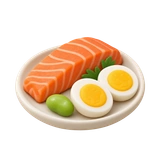
 DinnerBaked salmon and greensSmall fillet with broccoli and a little rice.
What people ask
How much protein should you eat on a GLP-1?
A joint advisory suggests an absolute target of 80 to 120 g a day, or 1.2 to 1.6 g per kg of body weight during active weight reduction. The general allowance is 0.8 g per kg. A dietitian can tailor it to you.
Do GLP-1 medicines cause muscle loss?
Large weight reductions of any kind lose some muscle along with fat. In the STEP 1 semaglutide trial, about 20% of the total reduction was estimated to be muscle. The advisory says strength training and protein help limit this.
Is protein alone enough to keep muscle?
No. The advisory says higher protein alone is likely not enough without structured strength training. It suggests strength training at least 3 times a week plus 150 minutes of moderate aerobic activity.
What are easy high-protein foods when appetite is low?
Cleveland Clinic lists Greek yogurt (11 g per half cup), eggs (12 g for two), salmon (19 g per 3 oz), chicken breast (27 g per 3 oz) and tofu (10 g per three-fourths cup). Small portions often sit easier.
Can you eat too much protein?
The advisory says to avoid prolonged intake at or above 2 g per kg a day, and that protein beyond what muscles need can be converted to fat. Aim for the target range and check with your clinician.
This guide is general education. Talk with your clinician before changing your diet or medicines.