Stroke recovery meal plan, lower in sodium.
The AHA and ASA recommend low-salt and Mediterranean-style eating after a stroke.


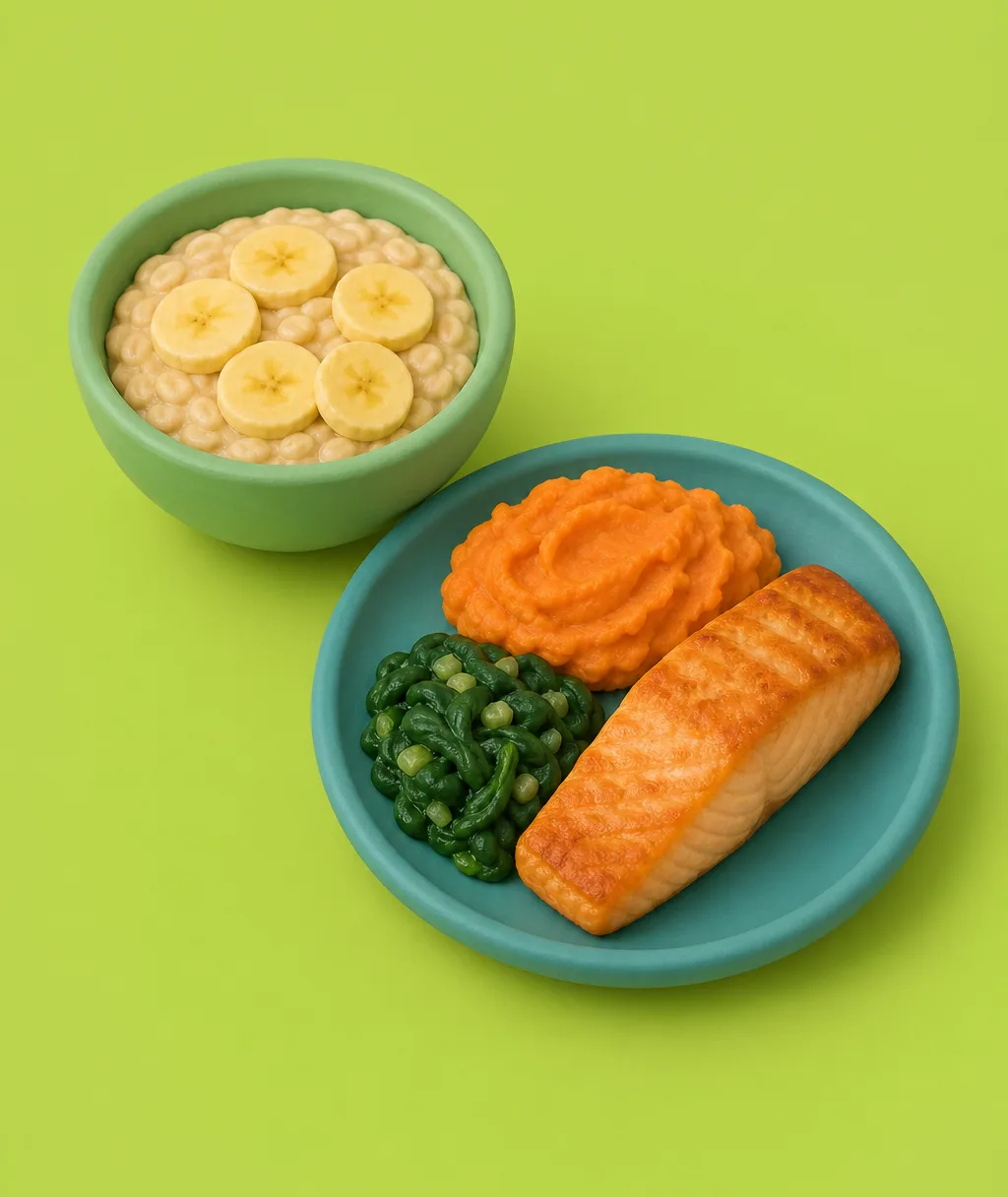
What foods are good for stroke patients?
The 2021 AHA and ASA guideline recommends low-salt and Mediterranean-style diets after a stroke or TIA. That means vegetables, fruit, beans, whole grains, fish, nuts and olive oil, with little salty or fatty food. MedlinePlus also names DASH as a heart-healthy option and advises staying away from fast food.
Sources checked November 26, 2026. SourcesThree habits for the weeks ahead
Cut sodium by 1,000 mg or more
Cook without added salt and choose no-salt-added canned foods.
Mediterranean-style plates
Fish, beans, vegetables, whole grains, nuts and olive oil at most meals.
Softer food only if advised
Stews, oats and flaky fish, if a speech-language pathologist has advised it.
Seven days of low-sodium recovery meals
About 1,650 to 1,750 calories a day, cooked without added salt. Your care team may adjust portions. Find your number
Monday
 BreakfastOatmeal with mashed banana and walnuts1 cup oats cooked in 1 cup milk with 1 mashed banana and 1 tbsp chopped walnuts
 LunchLentil and carrot soup with toast1 cup lentils and 1 cup carrots simmered soft in 2 tsp olive oil, no salt added, with 2 slices whole-wheat toast
 SnackGreek yogurt with applesauce3/4 cup plain Greek yogurt with 1/2 cup unsweetened applesauce
 DinnerSalmon with mashed sweet potato and spinach5 oz baked salmon with 1 mashed sweet potato and 1/2 cup spinach in 1 tsp olive oil
About 1,690 kcal100 g protein43 g fiber
Tuesday
- BreakfastSoft scrambled eggs with avocado toast2 eggs softly scrambled in 1 tsp olive oil with 2 slices whole-wheat toast and 1/2 mashed avocado
- LunchWhite bean, zucchini and barley stew1 cup white beans, 1 cup zucchini and 1/2 cup barley with 1/4 cup crushed tomatoes and 2 tsp olive oil, plus 1 slice whole-wheat toast
- SnackBanana with peanut butter1 banana with 1 tbsp unsalted peanut butter, plus 1/2 oz almonds
- DinnerCod with mashed potato and peas5 oz baked cod with 1 potato mashed with 1/4 cup milk, 1/2 cup peas and 2 tsp olive oil
About 1,730 kcal97 g protein43 g fiber
Wednesday
- BreakfastOatmeal with stewed pear1 cup oats cooked in 1 cup milk with 1 pear stewed soft and 1 tbsp walnuts
- LunchChicken and barley soup3 oz shredded chicken with 1 cup barley and 1/2 cup carrots in 1 tsp olive oil, no salt added
- SnackAvocado on whole-wheat toast1/2 mashed avocado on 1 slice whole-wheat toast
- DinnerTofu and broccoli stir-fry with rice1/2 cup firm tofu with 1 cup broccoli in 2 tsp olive oil, over 1 cup brown rice
About 1,680 kcal85 g protein41 g fiber
Thursday
- BreakfastGreek yogurt with banana and oats3/4 cup plain Greek yogurt with 1 sliced banana and 1/4 cup oats, plus 2 tbsp walnuts
- LunchSalmon and quinoa salad3 oz flaked salmon with 1 cup quinoa, cucumber and 2 tsp olive oil, plus 1/2 avocado
- SnackApplesauce with almonds1/2 cup unsweetened applesauce with 1/2 oz almonds
- DinnerChicken stew with potatoes and green beans4 oz chicken with 1 potato and 1 cup green beans simmered in 2 tsp olive oil, no salt added, plus 1 slice whole-wheat toast
About 1,700 kcal101 g protein31 g fiber
Friday
- BreakfastEgg and spinach scramble with toast2 eggs with 1/2 cup spinach in 1 tsp olive oil, with 1 slice whole-wheat toast, plus 1/2 avocado
- LunchLentil and spinach dal with rice1 cup lentils cooked soft with 1/4 cup spinach in 2 tsp olive oil, over 3/4 cup brown rice
- SnackKiwis with Greek yogurt2 kiwis with 1/2 cup plain Greek yogurt, plus 2 tbsp walnuts
- DinnerBaked trout with squash and quinoa5 oz baked trout with 1 cup soft roasted squash and 3/4 cup quinoa in 1 tsp olive oil
About 1,650 kcal101 g protein43 g fiber
Saturday
- BreakfastOatmeal with blueberries and chia1 cup oats cooked in 1 cup milk with 1/2 cup blueberries and 1 tbsp chia
- LunchBlack bean and sweet potato soup1 cup black beans and 1 sweet potato simmered in 2 tsp olive oil, no salt added, with 1/2 avocado
- SnackRipe pear with almonds1 ripe pear with 3/4 oz almonds
- DinnerPork tenderloin with mashed cauliflower4 oz roast pork tenderloin with 1 cup mashed cauliflower, 1 cup carrots and 1/2 potato in 2 tsp olive oil
About 1,660 kcal79 g protein55 g fiber
Sunday
- BreakfastPoached eggs with sweet potato hash2 poached eggs with 1 diced sweet potato and 1/4 cup spinach cooked in 2 tsp olive oil, plus 1 slice whole-wheat toast
- LunchChickpea and zucchini stew with rice3/4 cup chickpeas, 1 cup zucchini and 1/4 cup crushed tomatoes in 1 tsp olive oil, over 3/4 cup brown rice
- SnackGreek yogurt with raspberries3/4 cup plain Greek yogurt with 1/2 cup raspberries, plus 2 tbsp walnuts
- DinnerChicken with brown rice and soft carrots4 oz roast chicken with 1 cup brown rice and 1 cup soft-cooked carrots in 2 tsp olive oil, plus 1/2 cup peas
About 1,700 kcal104 g protein40 g fiber
Your stroke care team sets your diet, especially if swallowing is hard or you take warfarin. Follow your speech-language pathologist's texture advice. Call 911 for sudden numbness or weakness of the face, arm or leg, or trouble speaking.
Built from AHA and ASA 2021 stroke guideline advice.
What to buy
Most days
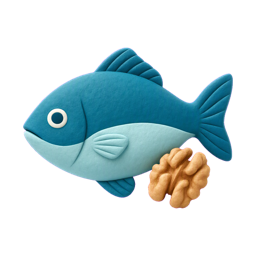
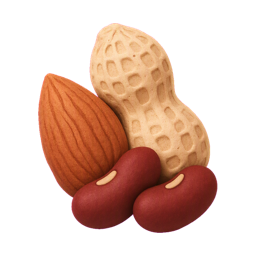
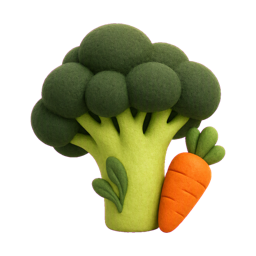
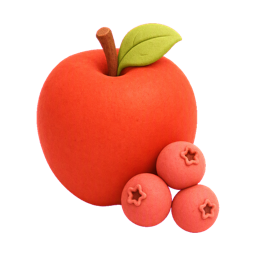


Now and then


Read labels: 140 mg of sodium or less per serving counts as low sodium.
This week is a sample. Alma builds yours
Meals fit to your goal and the foods you like, each with an Alma Score from 0 to 100.
What else do people ask?
How much sodium should a stroke survivor have?
The AHA advises no more than 2,300 mg a day, with 1,500 mg ideal for most adults. For stroke survivors with high blood pressure, the 2021 guideline says cutting at least 1,000 mg a day is reasonable. This plan is cooked without added salt.
What if swallowing is hard after a stroke?
Tell your care team. MedlinePlus says choking or coughing when eating are signs of swallowing problems, and people with them need a special diet. A speech-language pathologist decides which textures and liquids are safe for you. Use this plan's softer meals only if they have advised it.
Can I eat leafy greens on warfarin?
Yes, with care. NIH says people on warfarin should keep their vitamin K intake about the same every day, since sudden changes can cause bleeding or clots. Keep spinach and other greens steady from week to week and ask your care team before big changes.
Should I take supplements after a stroke?
MedlinePlus advises against taking any other medicines, supplements, vitamins or herbs without asking your provider first. This plan gets its nutrients from food, and your care team can tell you if you need more.
How many calories is this meal plan?
About 1,650 to 1,750 calories a day. Portions scale up or down with your needs. The calorie calculator gives you a starting number.
How does Alma help after a stroke?
Log a meal by photo, voice or text in about 10 seconds and every meal gets an Alma Score from 0 to 100, drawing on Harvard's Alternate Healthy Eating Index. Alma builds a plan around your goal and the foods you like.
Sources
Written by Alma from the sources below. Sources checked November 26, 2026. Calories and protein are estimates. This is general information, not medical advice. If you manage a health condition or take medication, check changes with your clinician. Editorial standards
- Kleindorfer DO, et al. 2021 guideline for the prevention of stroke in patients with stroke and TIA, AHA and ASA. Stroke, 2021
- American Heart Association: How much sodium should I eat per day?
- MedlinePlus: Stroke, discharge
- MedlinePlus: Swallowing problems
- NIH Office of Dietary Supplements: Vitamin K
- USDA FoodData Central, for calorie, protein, fiber and sodium estimates
Get a week built around you
Log a meal by photo, voice or text in about 10 seconds.