Milk production foods while breastfeeding
What to eat while breastfeeding. Evidence that any food raises supply is limited.


What are milk production foods for breastfeeding?
Evidence that any food raises milk supply is limited. CDC advises about 330 to 400 extra calories a day while breastfeeding, plus fluids, low-mercury fish, and more iodine and choline. If you are worried about supply, a lactation consultant or clinician can look at feeding with you.1
Built from CDC, ACOG and FDA advice. Reviewed November 17, 2026.Eat more
Eat more of these
Low-mercury fish
Salmon, sardines and trout are on the FDA Best Choices list.
8 to 12 ozof lower-mercury seafood a week, FDA2
Oats and whole grains
Oatmeal and whole grains help cover the extra calories.1
Ease off
Ease off these
High-mercury fish
ACOG says skip shark, swordfish, king mackerel and tilefish.4
Coffee and energy drinks
ACOG and NHS say 200 mg. CDC says about 300 mg or less.
200 mgcaffeine a day, ACOG and NHS4
Alcohol
ACOG says wait after an occasional single drink.
2 hoursafter a single drink before a feed, ACOG4
Herbal supplements
Evidence on herbal galactagogues is low certainty.
2025 reviewrated herbal evidence low certainty6
Alma turns these foods into meals that fit your numbers.
A sample day
One day on a plate
See the sample day, meal by meal
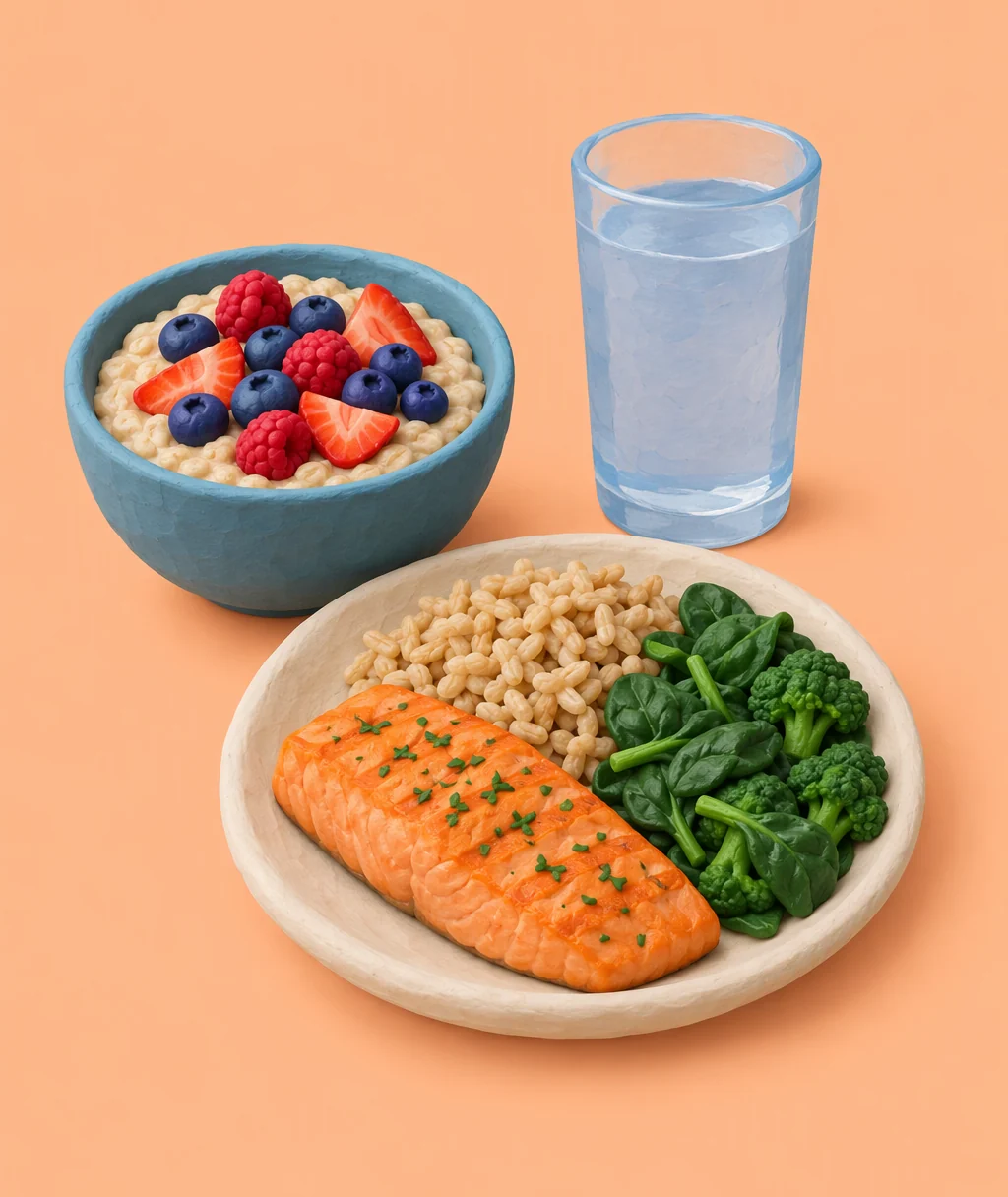
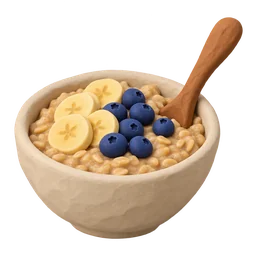 BreakfastOatmeal with berriesOats cooked with milk, topped with blueberries.
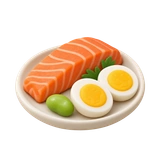 LunchSalmon rice bowlCooked salmon, brown rice, spinach and lemon.
 SnackYogurt and an applePlain Greek yogurt with a sliced apple and a glass of water.
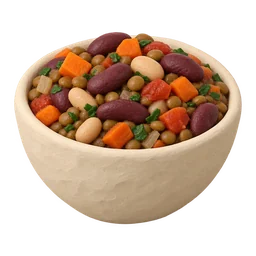 DinnerLentil and vegetable stewLentils, tomatoes, carrots and olive oil.
What else do people ask?
Do lactation foods increase milk supply?
Evidence is limited. A 2025 review of trials in mothers of preterm babies rated all evidence on herbal galactagogues low or very low certainty. ACOG says the more milk is removed from the breast, the more you make. Ask a lactation consultant before buying supplements.
What are the best foods to increase milk supply?
None of these sources name a food that raises supply. They advise a varied diet with about 330 to 400 extra calories a day, 290 mcg of iodine and 550 mg of choline from foods like dairy, eggs and low-mercury seafood. A lactation consultant can check supply concerns.
What are the breastfeeding diet restrictions?
CDC says women generally do not need to avoid specific foods while breastfeeding. Limit fish high in mercury, and ACOG says skip shark, swordfish, king mackerel, tilefish and bigeye tuna. Caffeine is capped near 200 mg a day by ACOG and NHS. ACOG says wait 2 hours after one drink.
How much water should you drink while breastfeeding?
ACOG says to drink plenty of fluids, and more if your urine is dark yellow. NHS suggests keeping a drink beside you at each feed, such as water, low-fat milk or diluted juice. No exact amount is given in these sources.
What nutrients matter most while breastfeeding?
No source here counts any food as a supply booster. CDC says a breastfeeding mother's need for iodine, choline, folate and vitamins B12, D and A rises. Dairy, eggs, legumes, leafy greens and low-mercury seafood cover many of these. Ask a lactation consultant about supply.
Do you need more calories while breastfeeding?
Yes. CDC recommends an extra 330 to 400 calories a day for well-nourished mothers, depending on age, activity and whether you feed exclusively. ACOG gives a higher figure of 450 to 500. Your clinician can help you set an amount that fits you.
This guide is general education. For milk supply concerns, see a lactation consultant or clinician before changing your diet or taking supplements.