A GERD diet built around your triggers
Track the foods that set off your reflux, then ease off those and keep the rest.
What is a GERD diet?
A GERD diet starts with your own triggers. NIDDK lists foods commonly linked to symptoms: citrus, tomatoes, alcohol, chocolate, coffee, high fat foods, mint and spicy foods. AGA advises tracking which ones affect you rather than cutting them all. ACG rates trigger avoidance as low certainty evidence.1
Built from NIDDK, AGA and ACG advice. Reviewed November 13, 2026.Eat more
Eat more of these
Non-starchy vegetables
Spinach, broccoli or peppers on half the plate.
1/2 platenon-starchy vegetables, AGA MyPlate2
Whole grains
Oatmeal at breakfast, brown rice or whole wheat bread.
1/4 platewhole grains, fruit or starchy veg, AGA2
Ease off
Ease off your own triggers
Coffee and strong tea
AGA lists coffee, with or without caffeine, as a trigger.
95 mgcaffeine in 8 oz of coffee, Harvard5
Fried and high fat food
Fried food, pizza and creamy sauces.
Under 7%of calories as saturated fat, AGA2
Late dinners
NIDDK advises meals at least 3 hours before bed.
2 to 3 hoursmeal gap before bed, ACG, low evidence3
Alma turns these foods into meals that fit your numbers.
Build my planGet Alma on AndroidGet the appA sample day
One day on a plate
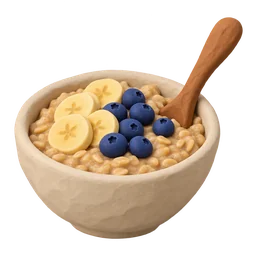 BreakfastOatmeal with bananaOatmeal cooked with water or low-fat milk, banana on top.
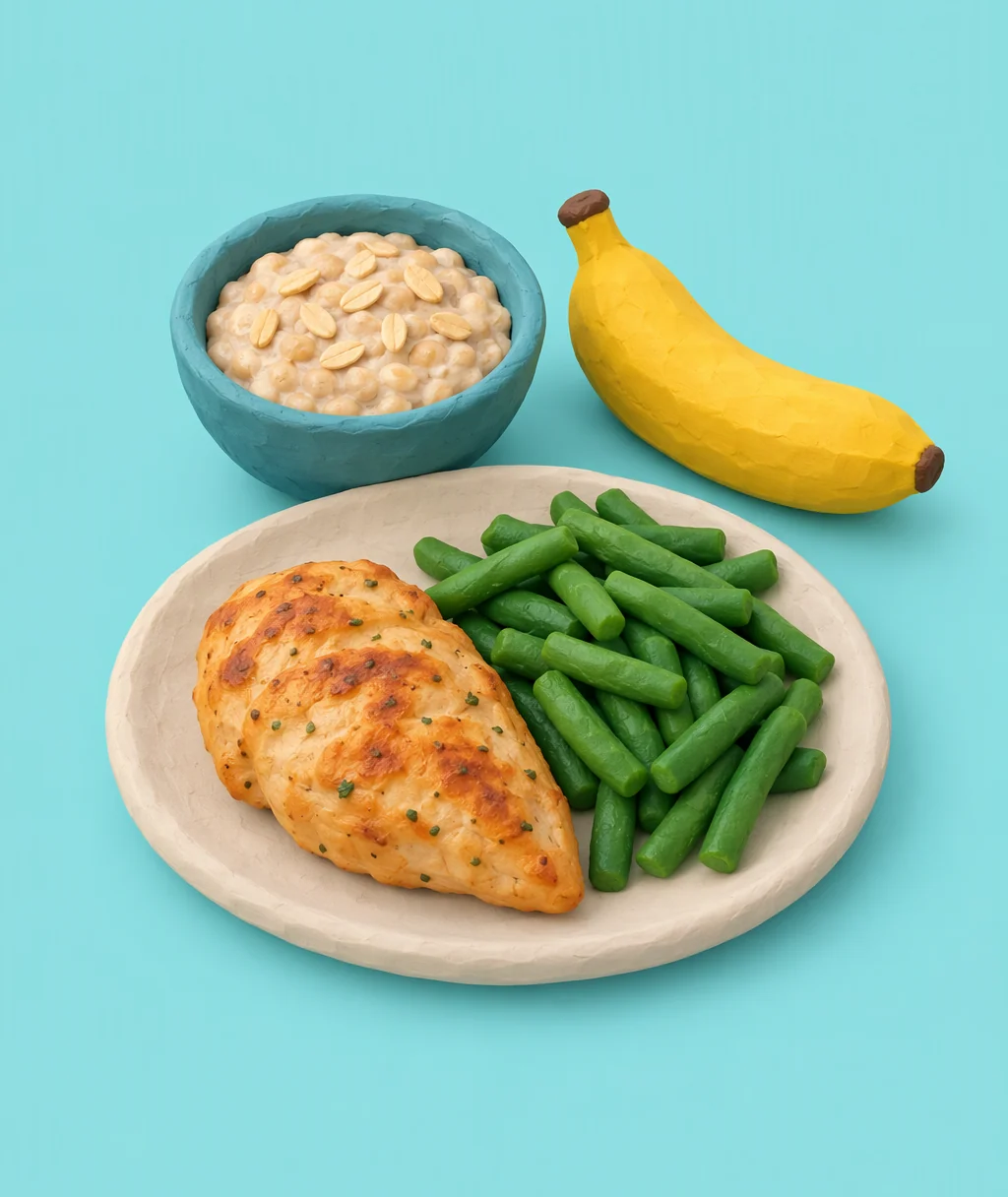
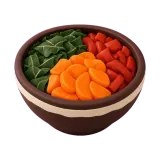 LunchBaked chicken and green beansBaked chicken, steamed green beans and brown rice.
 SnackAlmond butter on toastOne slice of whole grain toast with a thin layer of almond butter.
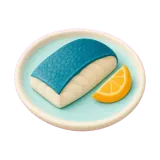 DinnerBaked fish and carrotsBaked white fish, boiled potatoes and soft cooked carrots.
What people ask
What foods to avoid with acid reflux?
NIDDK names citrus and tomatoes, alcohol, chocolate, coffee and other caffeine, high fat foods, mint and spicy food. In a survey of 100 people with GERD, spicy food was the most common trigger at 62%, then chocolate and pizza at 55%. None of these affect everyone, so test one at a time.
Which foods trigger acid reflux most often?
In that survey, 85 of 100 people named at least one trigger food, and spicy food, chocolate, pizza, tomato and fried food led the list. The ACG guideline still rates avoiding trigger foods as a conditional recommendation with low certainty evidence, because the studies are small. A food diary tells you more than a general list.
What foods help acid reflux?
Evidence for specific helpful foods is thin. AGA suggests half the plate as non-starchy vegetables, lean protein and whole grains, smaller meals, and water over soda. Its list of fruit and vegetables is at least 5 servings a day, such as 3 vegetables and 2 fruits.
What to eat with GERD for breakfast?
AGA advises smaller meals, low fat choices and whole grains. Oatmeal with banana, or whole wheat toast with a thin layer of nut butter, fits that. Coffee is a common trigger, with or without caffeine. An 8 oz cup holds about 95 mg of caffeine, per Harvard.
Do you have to cut out coffee and chocolate for good?
Not automatically. They are common triggers, not universal ones. The ACG guideline suggests avoiding trigger foods for symptom control, with low certainty evidence, and AGA advises tracking your own reactions rather than cutting every food on the list. Your own record is the test.
How do you track trigger foods?
Note what you ate, when, and any symptoms. Change one food at a time so you can tell what matters. AGA advises tracking the foods that cause you problems rather than avoiding every food on the list. NIDDK suggests talking with your doctor about foods that seem to increase symptoms.
This guide is general education. Talk with your clinician before changing your diet or medicines.